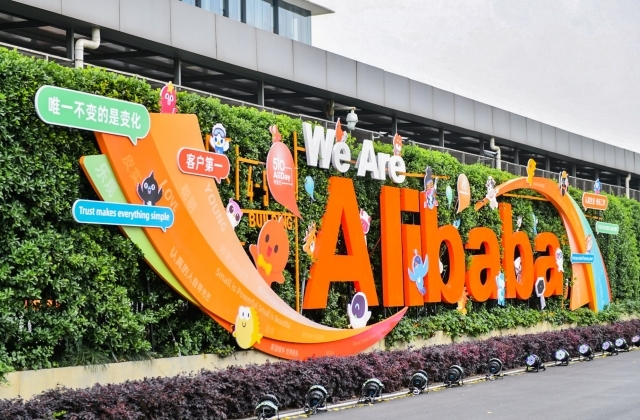
Alibaba Group, Baidu, and electric vehicle giant BYD saw their Hong Kong-listed shares fall sharply on Friday after the companies were briefly included on a U.S. Pentagon list of firms allegedly linked to the Chinese military. The updated Section 1260H list, released earlier this week, named the three companies before being withdrawn minutes later and declared unpublished.
Despite the swift retraction, the news triggered volatility in Chinese tech stocks, underscoring heightened sensitivity in markets amid ongoing U.S.-China tensions. Investors reacted cautiously, concerned about the potential for future sanctions or regulatory scrutiny targeting major Chinese corporations.
In Hong Kong trading, Alibaba Group Holding Ltd (HK:9988) dropped 3.6% by the midday break, while Baidu Inc (HK:9888) declined 5.5%. Both companies carry significant weight on the Hang Seng Index, which slipped around 0.5% during the session. BYD Co (HK:1211) fell 1.6%, while Tencent Holdings Ltd (HK:0700)—previously added to the Pentagon list in early 2025—also edged lower by a similar margin.
The selloff was compounded by broader weakness in global technology stocks during Hong Kong’s recent three-day market holiday. As international tech shares declined, local investors engaged in catch-up selling when markets reopened.
Beyond geopolitical risks, concerns are growing over rising artificial intelligence investments among China’s leading tech firms. Heavy AI spending has pressured margins across the global technology sector, impacting both U.S. and Chinese companies. Alibaba’s stock fell even after the company unveiled its new Qwen3.5 AI model earlier this week, highlighting investor caution around near-term profitability.
With geopolitical uncertainty and AI-driven capital expenditure weighing on sentiment, Chinese technology stocks remain vulnerable to further volatility as markets monitor developments in U.S.-China relations and corporate earnings performance.