Alibaba’s Nov. 19 results will give investors a fresh look at its cloud business as proposed U.S. controls raise questions about Chinese firms’ access to advanced computing power abroad.
The draft rules, announced Nov. 16, would target Chinese cloud providers that rent cutting-edge chips at overseas data centers. Alibaba and its peers are already barred from directly buying the most advanced processors. Nvidia said this week it had stopped shipping lower-end Hopper data center chips to China.
Alibaba’s Hong Kong-listed shares rose enough to end a nine-session losing streak ahead of the earnings release, Bloomberg reported. The company’s market value stood at US$216 billion, less than half its level from just over a year earlier, when investors were betting on Alibaba to lead China’s AI industry.
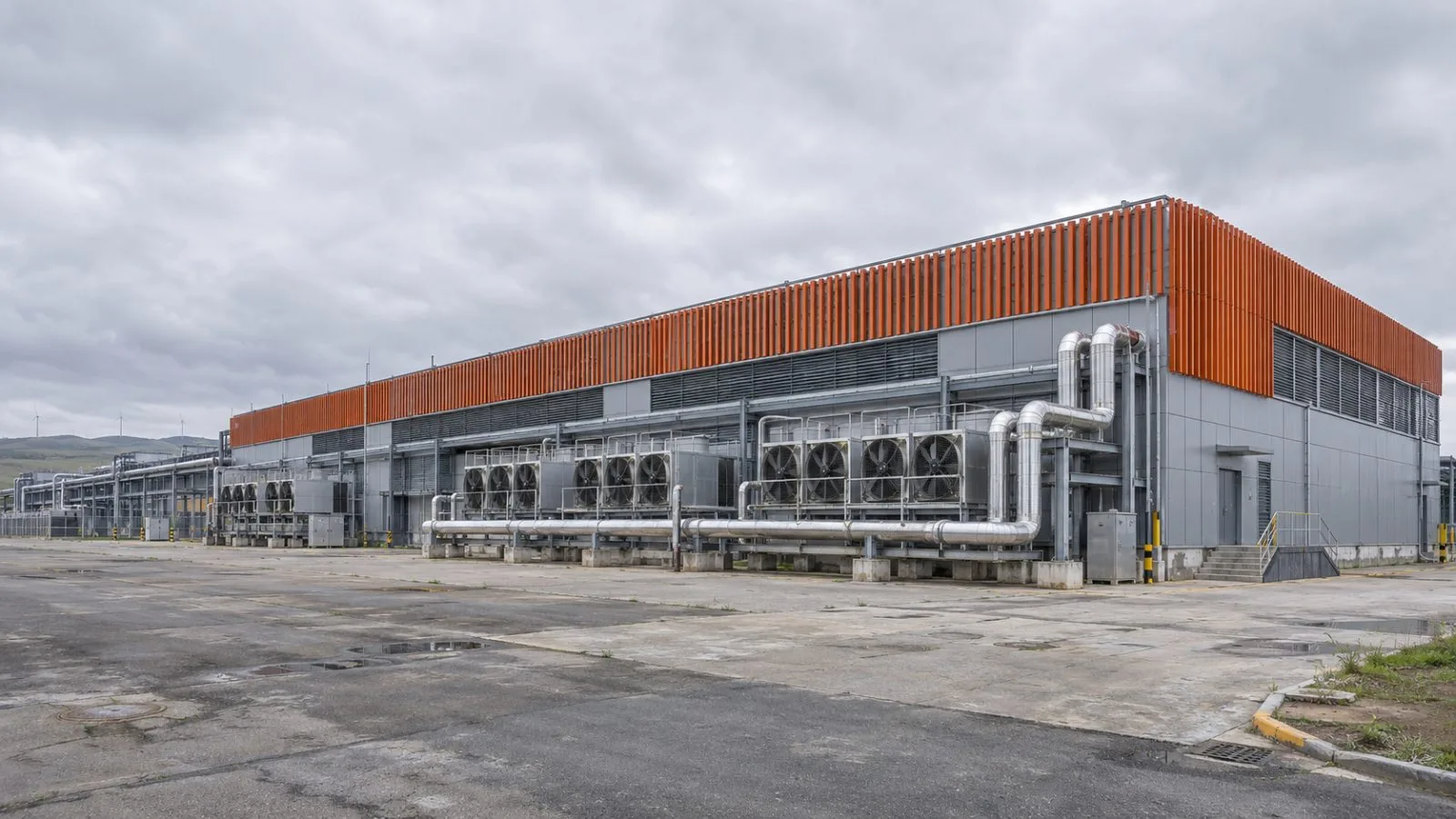
The company’s goal of reaching 20 gigawatts of data center capacity before 2032 depends in part on expansion in regions such as South-east Asia, Bloomberg reported. Alibaba’s T-Head chips may provide some buffer, though they trail Nvidia’s leading products, the outlet said.
JPMorgan Chase analysts, including Alex Yao, expect the rules to affect Alibaba less than companies with greater exposure, naming MiniMax Group as an example. They estimated Alibaba Cloud’s overseas AI revenue at less than 10% of its cloud revenue and said the direct revenue impact would be small, Bloomberg reported.
Cloud accounted for 18% of Alibaba’s total revenue in the June quarter. The results will also be watched for signs of whether cloud growth can offset sluggish Chinese consumer demand and tough competition in e-commerce, which Bloomberg said are weighing on that business.
Tencent reported after the Nov. 18 market close that heavy AI spending had a negative impact on profit. Tencent also warned that U.S. curbs on Chinese access to overseas data centers would hamper development of its next AI model, Bloomberg reported.