


 TSMC Q3 Revenue Beats Estimates as AI Chip Demand Surges
  Airbus Tests Valkyrie Combat Drone in Europe for Eurofighter Integration
  Meta Launches Muse Wonder AI Models, Shares Rise 3.7%
  South Korea Blocks 27 Crypto Exchange Websites in Regulatory Crackdown
  Yandex Data Center Hit by Drone Strike as Russia-Ukraine Cyber Infrastructure Attacks Escalate
  Visa Wins China Approval to Prepare Domestic Payments Expansion
  TSMC Profit Set to Surge 65% as AI Chip Demand Drives Record Earnings
  Morgan Stanley Predicts $10 Trillion RWA Market by 2030
  Moonshot AI Executives Seek Settlement Ahead of Hong Kong IPO
  Apple Supplier Luxshare Faces US Patent Probe, Sees Limited Impact
  Canton Network Expands in South Korea With Major Partnerships
  Samsung, SK Hynix Shares Plunge as China Chip Competition Grows
  PepsiCo Slashes Poppi Earnout Valuation as Growth Slows
  FAA Warns US Airlines Over Saudi Arabia Flight Risks
  Syndax Stock Drops 15% After Axatilimab Trial Failure
  Solidigm Taps Goldman, Morgan Stanley for $10 Billion US IPO


 Add as a preferred source on Google
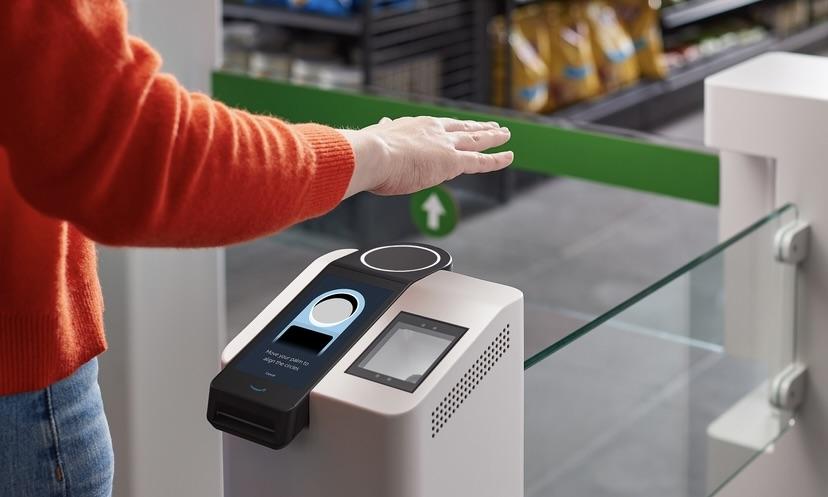
Amazon now allows users to set up palm recognition for seamless payments at Whole Foods, Panera, and other locations directly from their smartphones.
Amazon One Expands with Mobile App for Easy Palm Recognition Setup
Amazon now allows you to sign up for its palm recognition service from your phone. It is launching a new Amazon One app for iOS and Android. It will allow you to take a photo of your palm and set up your account before scanning it at locations supporting the verification technology.
Previously, Amazon required users to visit physical locations to enroll in Amazon One, which allows you to make purchases or verify your age using the palm print associated with your Amazon account. The Verge reported that the service is available at all Whole Foods stores in the United States, some Panera Bread locations, and more than 150 stadiums, airports, fitness centers, and convenience stores.
Amazon One employs generative AI to analyze your palm vein structure and generate a "unique numerical, vector representation" of your palm, which it recognizes when you scan your hand in-store. It does not use raw palm images to identify you.
On mobile, Amazon claims to use artificial intelligence to match a phone camera photo to "near-infrared imagery" from an Amazon One device. To use the app for age verification, you must first add a payment method and upload a photo of your ID. You can also integrate loyalty programs, season passes, and gym memberships.
Amazon One uses generative AI to analyze your palm vein structure and create a "unique numerical, vector representation" of your palm. It can recognize this representation when you scan your hand in-store; it does not identify you based on raw palm images.
On mobile, Amazon claims to use artificial intelligence to compare a phone camera photo to "near-infrared imagery" from an Amazon One device. To use the app for age verification, you must first enter your payment information and upload a photo of your ID. You can also combine loyalty programs, season passes, and gym memberships.
Privacy Advocates Raise Concerns Over Amazon One's Biometric Data Collection
Albert Cahn, founder of the digital privacy advocacy Surveillance Technology Oversight Project, told Bloomberg he was skeptical of the trade-off between the convenience of biometric-based services and the user data required to run them. He didn't see how it would be "better, or easier," to submit government IDs and biometrics to private companies when customers can simply take their ID out of their wallets during transactions.
Evan Greer, a director at Fight for the Future, a digital privacy advocacy organization, told CNBC that most of the time, people should not entrust their data to private corporations, citing tech companies' "terrible track record" of protecting personal information.
Amazon has stated that users' Amazon One palm signatures cannot be replicated to impersonate them, citing the palm's unique characteristics, such as creases, friction ridges, and underlying veins. The company has also implemented liveness detection, which allows it to distinguish between a real palm and a replica. It cites tests in which Amazon One rejected 1,000 silicone and 3D-printed palms.
Amazon has been scrutinized for the way it handles users' personal information. One notable example occurred last year when the tech giant paid the Federal Trade Commission more than $30 million to settle two separate lawsuits over privacy concerns.
One lawsuit, settled for $5.8 million, claimed Amazon-owned smart doorbell company Ring failed to notify or obtain permission from customers before allowing "thousands of employees and contractors" to view recordings of their private spaces.
The other lawsuit claimed that the company obtained and retained thousands of children's voice and geolocation data via Alexa, Amazon's virtual assistant product, providing "valuable" data to train its algorithms "at the expense of children's privacy," according to the FTC.
Amazon denied any wrongdoing in the lawsuits, telling Forbes that Ring addressed the privacy concerns on its own years ago.
Photo: About Amazon Newsroom







