The Federal Aviation Administration (FAA) announced plans to limit flights at Chicago O’Hare International Airport for the 2026 summer travel season, citing concerns that major airlines have overscheduled operations. The move comes as United Airlines and American Airlines prepare to significantly increase departures, potentially making this the busiest summer in O’Hare’s history.
The FAA will hold a schedule reduction meeting with major carriers on March 3 to address the issue. The summer flight season runs from March 29 through October 25. According to the agency, airlines have published schedules showing more than 3,080 daily takeoffs and landings on peak days this summer. That marks a sharp rise from last summer’s 2,680 daily operations and exceeds what the airport’s current infrastructure and air traffic control staffing can reliably support.
Currently, O’Hare manages about 100 arrivals and 100 departures per hour, totaling roughly 2,800 daily operations. The FAA considers this level sustainable under existing runway capacity, terminal space, and staffing resources. To avoid flight delays, congestion, and large-scale operational disruptions, the agency is proposing a daily cap of 2,800 flights throughout the summer season.
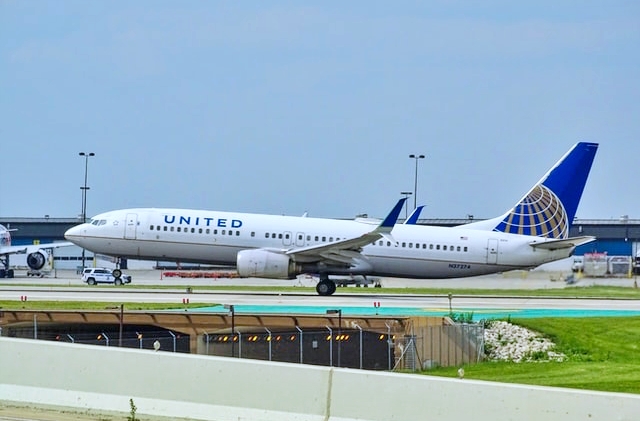
United Airlines plans to operate approximately 780 flights per day from O’Hare this month, up from an average of 541 daily flights last year, representing a 20% increase in mainline departures compared to last summer. Meanwhile, American Airlines intends to raise daily departures from 484 to 526, adding 100 new daily flights to more than 75 destinations ahead of spring break travel.
Both airlines have expressed support for the FAA’s proactive approach. FAA Administrator Bryan Bedford previously took similar action at Newark Liberty International Airport to address congestion. The proposed flight limit aims to maintain safe, efficient operations at one of the nation’s busiest airports during peak summer travel.