Mineral grains recovered from Antarctic seafloor sediments indicate ancient supermountain systems formed as Gondwana assembled, offering a possible link between mountain erosion and the Cambrian explosion.
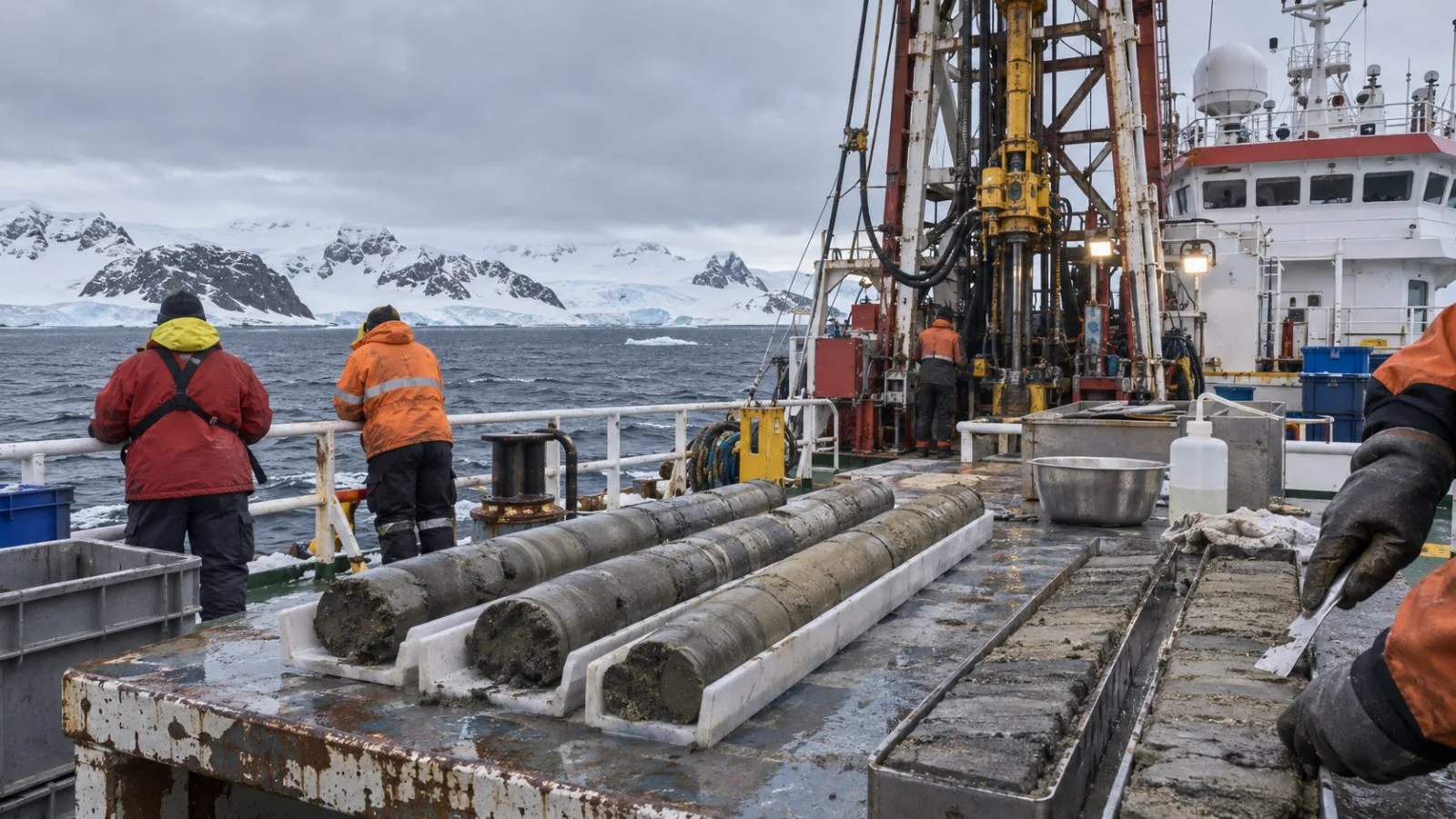
Researchers from The Australian National University and GFZ German Research Centre for Geosciences examined 1,712 detrital zircon grains collected through scientific ocean drilling along Antarctica’s continental margin. The grains carry age and chemical clues inherited from their original rocks, allowing the team to reconstruct the conditions in which those rocks formed.
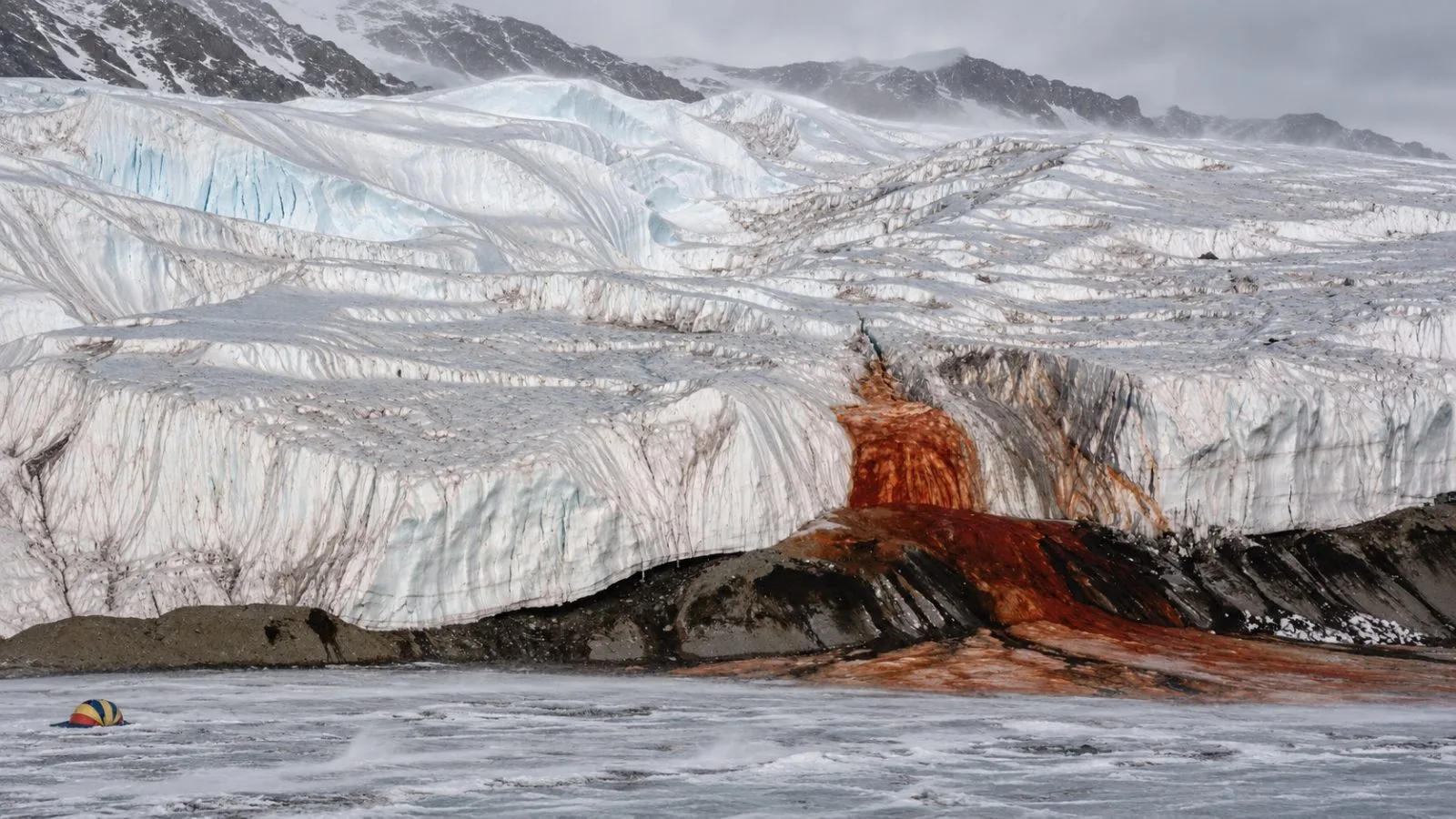
The inferred mountain systems developed between 650 million and 450 million years ago, as Antarctica collided with India and Africa during Gondwana’s construction. Their surface rocks were later eroded, while the study suggests deeper roots may still lie beneath the Antarctic ice sheet. More than 99.5% of the continent is ice-covered, limiting direct geological access.
The researchers compared the results with a weighted global database spanning the Cambrian period. Antarctic sources accounted for about 46% of the detrital zircons in that database. The figure was 55% for high-pressure grains associated with rocks formed deep beneath major mountain belts.
The study connects the mountain-building interval with the appearance of the first shellfish about 539 million years ago and the Cambrian explosion 10 million to 30 million years later. The authors propose that erosion may have delivered nutrients to the oceans, increased biological productivity and buried organic carbon, helping atmospheric oxygen rise. That sequence is presented as an interpretation, not a directly measured causal chain.
Ian Campbell, an emeritus professor at The Australian National University, said in the university’s announcement that the formations “are by far the largest mountain-building events to have affected Antarctica.” Campbell also linked their timing to early shellfish and the later increase in animal abundance and diversity.
The evidence comes from detrital minerals; the study did not image or sample an intact mountain range beneath the ice. The paper by Bei Chen and Ian H. Campbell appears in Earth and Planetary Science Letters under DOI 10.1016/j.epsl.2026.120330.