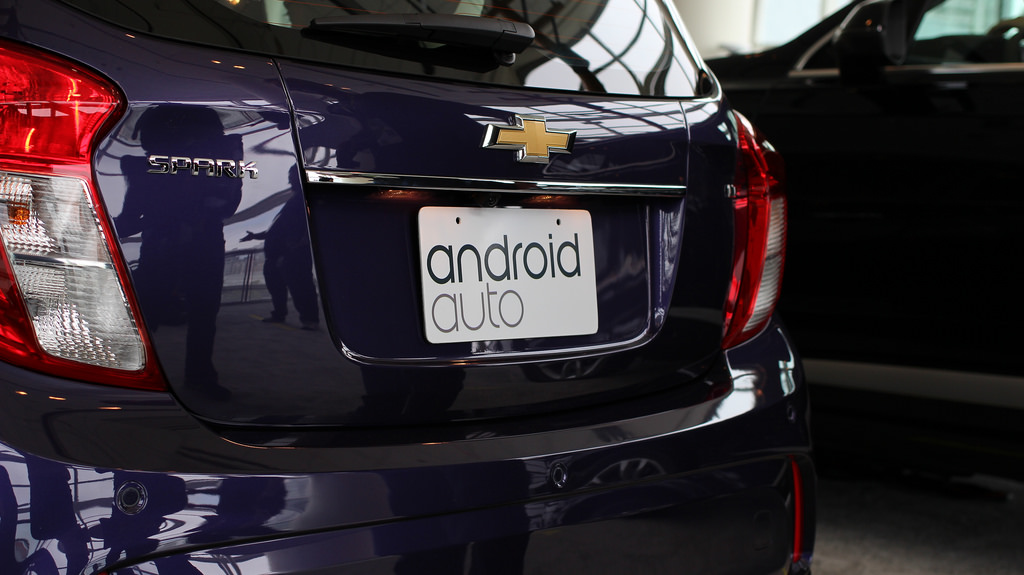
The car industry has been connected to the internet and has been using smart interface for several years now, but there have been some notable developments in this regard, which has to do with Android Auto. This is basically Google’s move to equip cars with its own OS and Smart Assistant offerings, which is a concept that Audi and Volvo seem to support wholeheartedly.
As Engadget notes, the Android Auto is likely to revolutionize the car interface sector in the coming years simply because it has significantly more flexibility and features. Due to the fact that it doesn’t really have much in the way of exclusivity limitations, drivers can basically add any of the apps that are allowed on the interface.
With regards to the console itself, there is the default Android Auto interface, which is just a projected copy of what users see on their phones. Wanting to customize their own offerings, however, both Audi and Volvo designed their own interfaces to better reflect the aesthetics of their vehicles.
During Google I/O, the media were treated to examples of how the car brands and the tech giant plan on bringing their respective consoles to the public. Based on how the UI looks and works, interacting with the gadget seems straightforward enough and lends much to the framework of keeping things simple.
As for the apps that are going to be included in the consoles, both Audi and Volvo will be the ones to decide what goes into their respective units during manufacturing. However, once it lands in the hands of drivers, they can customize it to their hearts’ content. They could add Spotify, other navigation products, and even video streaming services if they wanted.
Having Android Auto can lead to several other features, as well, Bloomberg reports. For example, if the driver is deeply keyed into the Internet of Things industry, they could ask Google Assistant to turn on the lights while they are still driving home.