U.S. stock futures moved lower Sunday evening as renewed military tensions between the United States and Iran pushed oil prices higher, while investors remained concerned about the Federal Reserve’s increasingly hawkish policy outlook.
S&P 500 futures dropped 0.4% to 7,689.0 points by 20:00 ET (00:00 GMT). Nasdaq 100 futures declined 0.7% to 29,294.75, while Dow Jones futures slipped 0.27% to 54,440.0.
Risk sentiment weakened after the U.S. carried out fresh military strikes against Iran over the weekend, targeting two launchers on Larak Island. The operation marked the first known American strikes on Iran since July and followed recent U.S. efforts to increase economic pressure on Tehran through tougher sanctions.
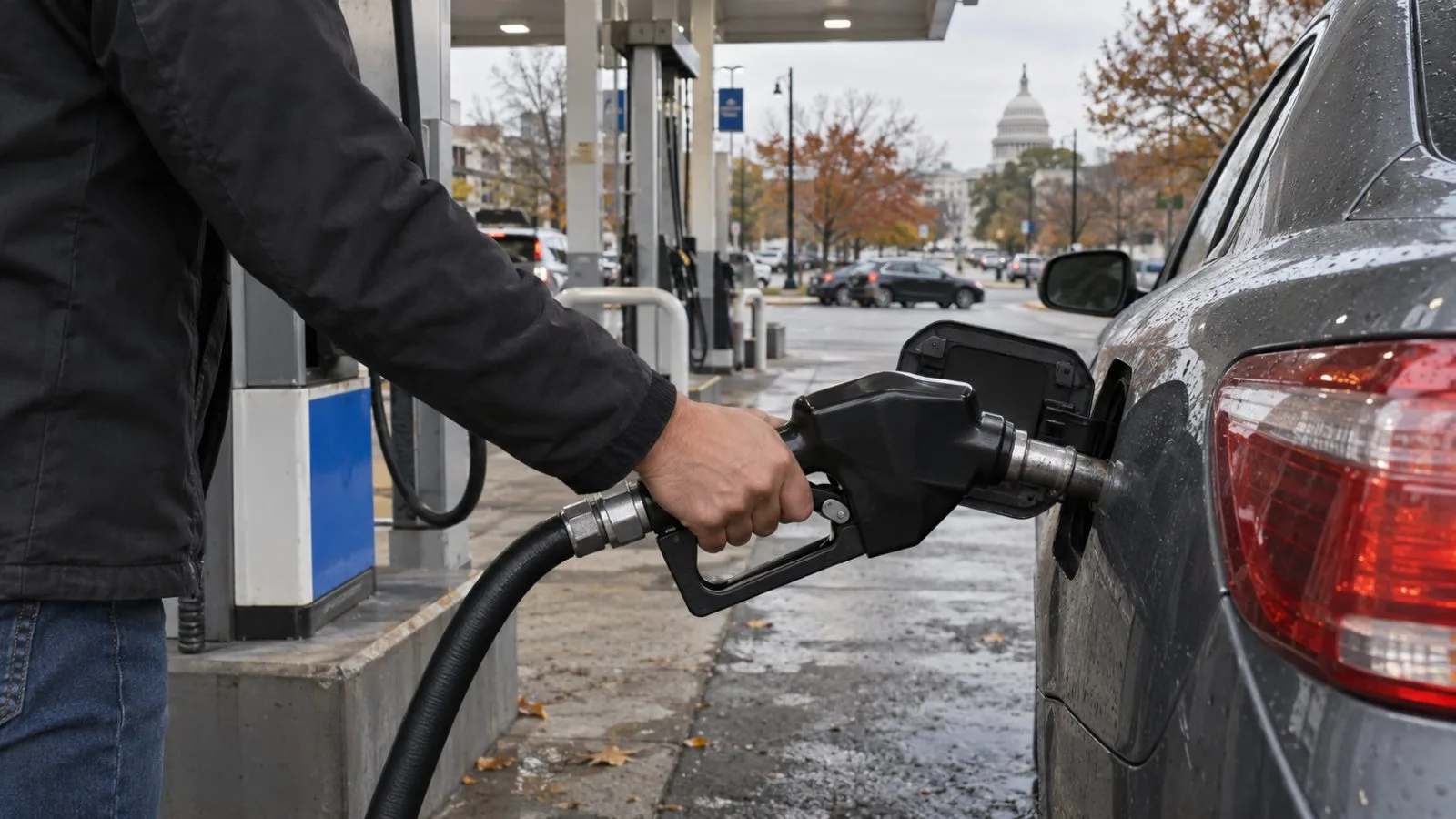
Iran retaliated by targeting U.S. forces stationed in Jordan, according to a Fox News reporter. The renewed conflict fueled concerns about Middle East energy supplies, sending oil prices roughly 2% higher in early Monday trading.
The escalation comes as Iran and Oman have been working toward an agreement to reopen the Strait of Hormuz, a critical route for global energy shipments. Persistent geopolitical tensions and higher crude prices could increase inflationary pressures, adding another challenge for financial markets.
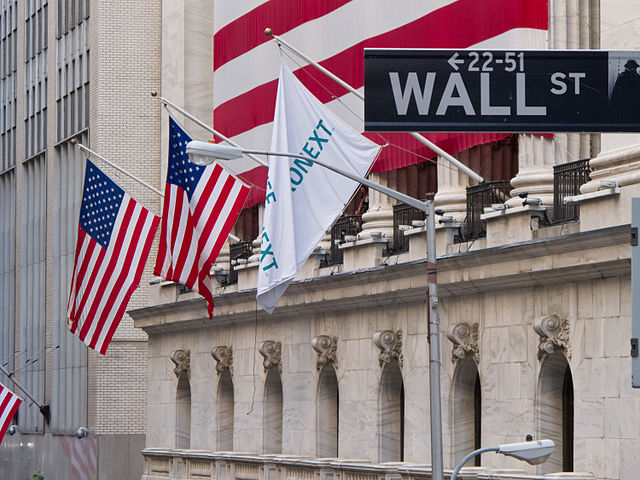
Wall Street was already under pressure following Federal Reserve Chair Kevin Warsh’s remarks at the Jackson Hole economic symposium on Friday. The S&P 500 fell 0.25%, the Nasdaq Composite lost 0.5%, while the Dow Jones Industrial Average finished roughly flat.
Warsh emphasized the Fed’s commitment to returning inflation to its 2% annual target but provided few details about the central bank’s next policy steps. Investors interpreted his comments as increasing the possibility of further interest rate hikes.
Treasury yields climbed sharply following the remarks, weighing particularly heavily on technology and semiconductor stocks. Rising oil prices could further complicate the inflation outlook and reinforce expectations for tighter monetary policy.
According to CME FedWatch, markets are now pricing in a 55.9% probability that the Federal Reserve will raise interest rates by 25 basis points at its September 16 meeting.