


 Tencent Shares Fall as $5 Billion AI Bond Sale Weighed
  Arthur Hayes Announces FLOP Testnet Launch Within Weeks
  Oracle Uses Trucked Natural Gas to Power AI Data Centers Amid Pipeline Delays
  Apple Cuts iPhone 18 Pro Production Orders Amid Weak Demand
  TSMC Profit Set to Surge 65% as AI Chip Demand Drives Record Earnings
  Moonshot AI Executives Seek Settlement Ahead of Hong Kong IPO
  Trump Buys Up to $25M in Meta Stock, Invests in SpaceX Debt
  Samsung, SK Hynix Shares Plunge as China Chip Competition Grows
  Citi Upgrades Galaxy Digital Stock, Raises Price Target to $28
  Amazon in Talks to Acquire AI Startup Decart for $7 Billion
  Apple Supplier Luxshare Sees Limited Impact From US Patent Probe
  Epic Games Delays Disney Shooter, Shifts to AI-First Development
  Jameson Lopp Downplays AI Threat to Bitcoin Cryptography
  OpenAI Revenue Hits $50 Billion, Below Earlier $70 Billion Estimate
  Zcash Plans Quantum-Resistant Security Upgrade for January
  OpenAI Annualized Revenue Hits $50 Billion, Below Earlier Estimates


 Add as a preferred source on Google
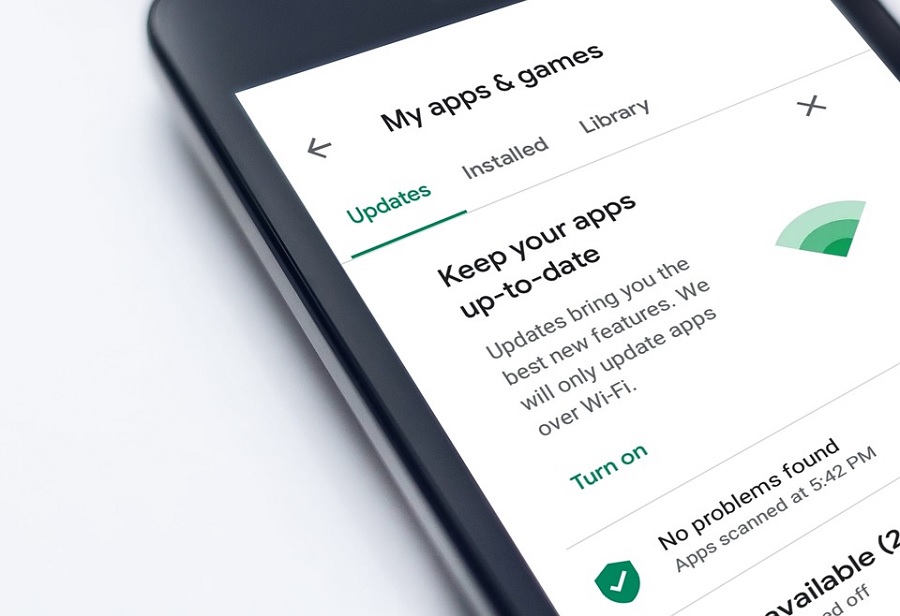
Google has removed nine Android apps that were reportedly injected with a trojan that could have stolen Facebook passwords. However, the apps have been downloaded by millions before they were taken down from Google Play.
Anti-virus developer Doctor Web reported last week that it discovered 10 trojan apps – nine of which were available on the Play Store – with mechanisms to steal Facebook passwords from their users. Names of the nine Android apps include Processing Photo, App Lock Keep, Rubbish Cleaner, Horoscope Daily, Horoscope Pi, App Lock Manager, Lockit Master, Inwell Fitness, and PIP Photo. At the time of the Android trojan apps’ discovery, they reportedly had more than 5.8 million downloads, with Processing Photo having the most installs at more than 500,000.
Doctor Web found five versions of malware injected in the trojan Android apps. Three of them – Android.PWS.Facebook.13, Android.PWS.Facebook.14, and Android.PWS.Facebook.15 – were from native Android apps. Android.PWS.Facebook.17 and Android.PWS.Facebook.18 were reportedly using the Flutter framework for developing apps with cross-platform compatibility.
The same report noted that these apps were fully functional, thus, making them less suspicious. The cybersecurity firm added that some of the trojan-injected Android apps encouraged its users to log in with their Facebook accounts in exchange for ad-free services or to unlock more features. With many apps, both on Android and iOS, already ask or require Facebook logins, such a request may not immediately seem shady.
A standard Facebook login page was reportedly displayed where users would be able to enter their credentials, including their passwords. The Facebook web page was reportedly loaded into WebView, then a JavaScript from a command and control (C&C) server is loaded into the same WebView. “This script was directly used to highjack the entered login credentials,” Doctor Web explained. The login credentials were then sent to the C&C server. The trojan Android apps also reportedly acquired cookies from existing authorization that were sent to the attackers as well.
The apps are no longer available on the Play Store as of this writing, but some of them are still downloadable from third-party websites where Android users can sideload them. Google confirmed to ArsTechnica that the developers of the nine apps have been banned from the platform.
Photo by mohamed_hassan from Pixabay







