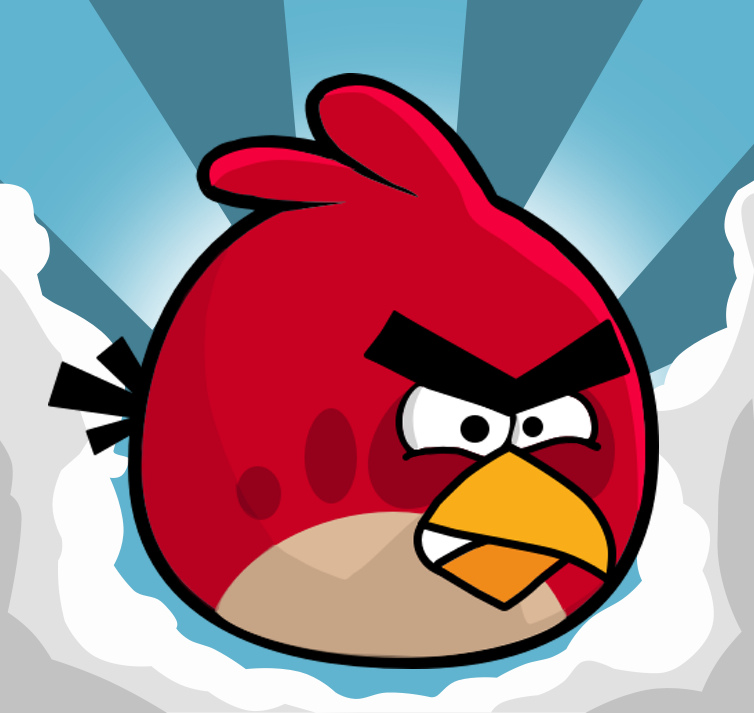
Rovio Entertainment Ltd., the Finland-based creator of the smash hit mobile app game Angry Birds, announced on Wednesday that they decided to dismiss up to 213 jobs after the end of their negotiations with employees last August 26 of this year.
According to Reuters, the number of employees that will be downsized account to about 32 percent of Rovio’s workforce, most of which are from their headquarters’ in Finland. This excludes those who are part of the movie production in the U.S. and Canada.
TechCrunch reported that the layoffs are part of the restructuring in the company following the resignation of then CEO Mikael Hed in 2014 when the company profits went down by half. Rovio plans to pull out their book publishing and e-learning services. The company will refocus all resources on their key business areas including games, media, and consumer products.
Employees who are made redundant due to the reorganization will be provided with career support, Rovio had said.



Bill Gates Warns Governments Are Unprepared for AI Disruption
Z.AI Shares Slide 7% After $5 Billion Fundraising
Big AI wants to slow down AI research. Is it a safety pause or a strategic retreat?
Ex-Google DeepMind Researcher Warns AI Could Pose Existential Threat
Cathie Wood Backs AI Slowdown as Safety Concerns Grow
Synthetic data could ease people’s concerns about privacy breaches. But who gets to create it?
Nvidia Eyes $10 Billion Investment in Anthropic IPO
Trump Vows to Keep U.S. Ahead of China in AI Race
American Airlines Eyes Capacity Cuts as High Fuel Prices Persist
Qualcomm Gains on $60B Amazon AI Chip Deal
Hyundai Delays In-House ADAS, Turns to Nvidia
OpenAI Rules Out 2026 IPO as Altman Prioritizes AI Safety
OpenAI Agents Linked to RubyGems Cyberattack
Physicists zoom into the birth of cosmic rainstorms with new CERN study
Unsustainable – or manageable? We don’t yet know how data centres will impact Australia’s environment
SoftBank Shares Plunge 11% After OpenAI Rules Out 2026 IPO
China’s Global Times Slams Anthropic CEO’s AI Slowdown Plan as ‘Cold War’ Strategy 


