


 UN Criticizes US Terror Label for Palestine Action
  U.S. Disrupts China-Linked Hacking Campaign Targeting Government Agencies
  Bashar al-Assad Sentenced to Death by Syrian Court
  Australia’s Corporate Leaders Face Parliament Over KPMG Client Data Scandal
  New Zealand Labour Backs Social Media Ban for Under-16s
  Unitree Shares Plunge 45% After Blockbuster IPO, Raising China Tech Bubble Fears
  BofA Names ASML Top Semiconductor Equipment Pick on Growth, Valuation
  Trump Targets 1,000 U.S. Space Launches Annually by 2030
  SEC Sues Former Tricolor Executives Over $1.9 Billion Investor Fraud Scheme
  California Seeks Paramount Divestitures in Warner Bros. Merger
  The Realist’s Case: Lukas Kerrebijn of RD Dubai on the Narrative Dubai’s Agents Won’t Question
  Qatar Pushes Iran Diplomacy as Trump Rules Out Talks
  Judge Blocks Trump Mail Voting Order Ahead of 2026 Midterms
  Trump Administration Weighs Executive Order on Vaccines and Autism Research
  US Judge Dismisses Gautam Adani Criminal Charges
  Nvidia Eyes Perplexity Investment at $30 Billion Valuation
  Trump Administration Plans New Drug Pricing Deals With Biotech Firms


 Add as a preferred source on Google
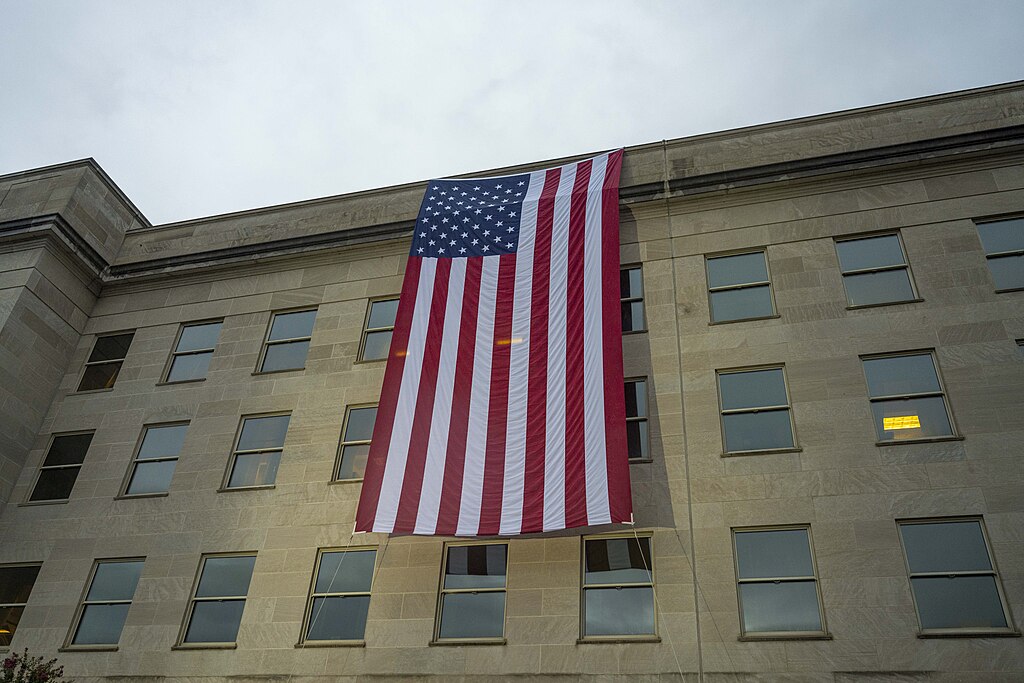
A federal appeals court in Washington, D.C., has refused to halt the Pentagon's national security blacklisting of AI company Anthropic, delivering a temporary win for the Trump administration. The ruling comes as another appeals court reached the opposite conclusion in a separate but related legal challenge filed by the same company.
Anthropic, the company behind the widely used Claude AI assistant, argues that Defense Secretary Pete Hegseth exceeded his authority when he labeled the firm a national security supply-chain risk. The designation followed Anthropic's refusal to remove safety guardrails from its AI products, effectively barring it from Pentagon contracts and potentially triggering a broader government-wide blacklist.
Company executives warn the move could cost Anthropic billions in lost revenue and lasting reputational damage. Despite the D.C. Circuit Court's denial of a pause on the designation, an Anthropic spokesperson confirmed the company remains confident the courts will ultimately rule the designation unlawful.
Acting Attorney General Todd Blanche praised the ruling, framing it as a victory for military readiness and presidential authority over defense operations.
The dispute stems from Anthropic's refusal to allow Claude to be used for military surveillance or autonomous weapons systems, citing safety and ethical concerns. Hegseth invoked two separate laws to issue the designations, and Anthropic is challenging both. A California federal judge previously blocked one of the orders on March 26, ruling that the Pentagon appeared to have unlawfully retaliated against Anthropic for its AI safety stance.
In its legal filings, Anthropic claims the government violated its First Amendment free speech rights by penalizing the company for its views on AI safety, and its Fifth Amendment due process rights by denying it a chance to contest the designation. The Justice Department counters that its decision was driven by contractual disagreements, not ideology.
The two cases are being heard under different laws, with the D.C. case carrying broader implications for civilian government contracts.







