


 U.S. Issues Cuba Health Alert as Illnesses Rise
  Nvidia CEO Jensen Huang Expected at Trump-Xi State Dinner
  France Targets Shein, Temu With Fast-Fashion Fees
  Guterres Urges Stronger Global AI Safeguards Ahead of UN Assembly
  Vietnam, U.S. Firms Plan 29 Deals Across Energy, Tech and Aviation
  North Korea Vows to Expand Nuclear Arsenal Amid U.S.-Led Military Buildup
  ICE Agent Arrested in Minneapolis Over Venezuelan Man Shooting
  Saudi Arabia Shuts East-West Oil Pipeline After Drone Attack
  U.S. Probes Apex Logistics Over Nvidia AI Chip Shipments to China
  South Korea’s Cho Hyun to Meet Rubio in Washington
  SEC Probes Banks Over Situational Awareness Hedge Fund Collapse
  Australia Defends Social Media Algorithm Law Amid US Concerns
  New Zealand Labour Backs Social Media Ban for Under-16s
  Ukraine Races to Counter Russia’s Faster Jet-Powered Drones
  Paris Talks Focus on Lebanon Army Needs as UNIFIL Exit Looms
  Trump Threatens EU Tariffs Over Canada Membership Proposal
  Countries Tighten Social Media Bans for Children


 Add as a preferred source on Google
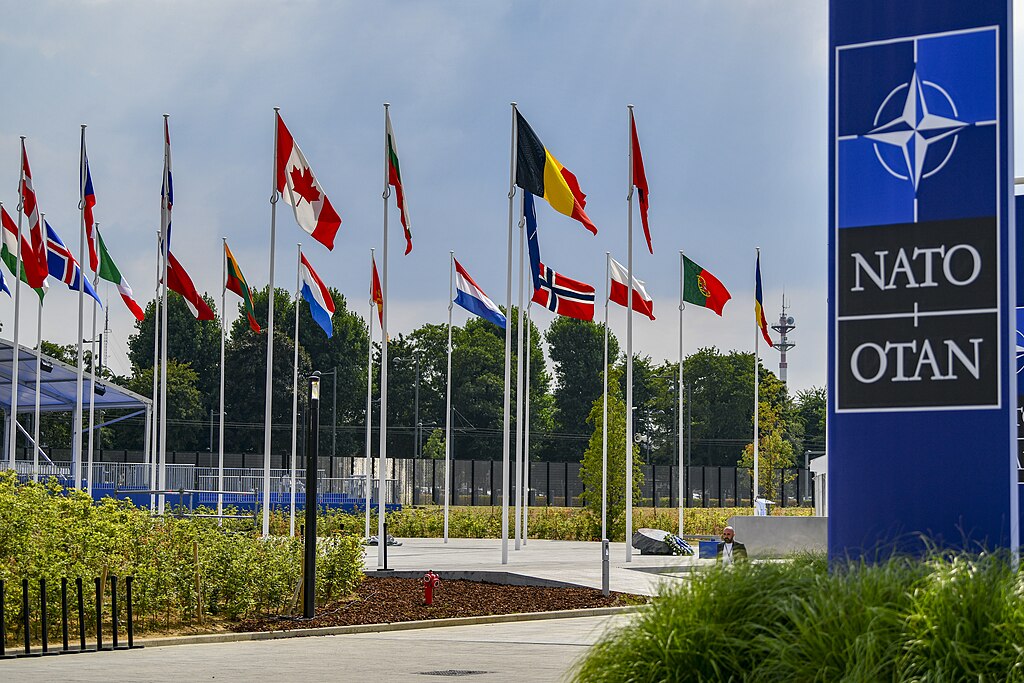
The Trump administration is preparing to inform NATO allies that the United States plans to reduce the military capabilities it would provide to support Europe during a major conflict or security crisis, according to sources familiar with the discussions. The move signals a significant shift in U.S. defense policy and reinforces President Donald Trump’s push for European nations to take greater responsibility for regional security.
Under NATO’s Force Model, member states identify military assets and troops that can be activated during emergencies, including potential attacks on alliance members. Sources say the Pentagon intends to sharply reduce the number of U.S. forces allocated to that framework, although exact figures and operational details remain classified.
The announcement is expected during a defense policy meeting in Brussels on Friday, where Pentagon representatives are anticipated to outline Washington’s evolving strategy. The policy aligns with Trump’s long-standing criticism that European allies rely too heavily on the United States for defense while underinvesting in their own militaries.
Despite the planned reductions in conventional military commitments, Pentagon policy chief Elbridge Colby has publicly stated that the United States will continue to extend nuclear protection to NATO allies. Alex Velez-Green, a senior aide involved in defense planning, is expected to represent the U.S. at the Brussels meeting.
The NATO alliance has faced growing uncertainty in recent months amid concerns that Washington could further scale back its role in Europe. The Trump administration recently revealed plans to cut approximately 5,000 U.S. troops stationed across Europe, including the cancellation of a scheduled Army brigade deployment to Poland. The decision sparked criticism from lawmakers and raised fresh concerns among NATO members.
European governments argue they are increasing defense spending and military readiness, but officials say strengthening conventional forces across the continent will take time. Meanwhile, tensions between Washington and several European leaders continue to strain transatlantic relations ahead of the NATO summit scheduled for July in Turkey.







