Anthropic shares rose 17% in their first trading session on Nov. 20, even as U.S. stocks fell sharply, CNBC International Live reported.
The Dow Jones Industrial Average was 10% below its record high, while the S&P 500 had fallen 8.5% and the Nasdaq Composite was down 13% from its peak. Those declines put parts of the market in correction territory.
The technology selloff drove much of the decline. Meta Platforms fell 3.75%, while Nvidia dropped 3%, leaving the chipmaker at the centre of the recent pressure on technology shares.
Questions about Nvidia’s leadership, the pace of artificial-intelligence infrastructure spending and future demand have added to uncertainty. Advanced Micro Devices also faced allegations about its handling of sales to China, alongside possible investigations and questions about U.S. sanctions and legislation.
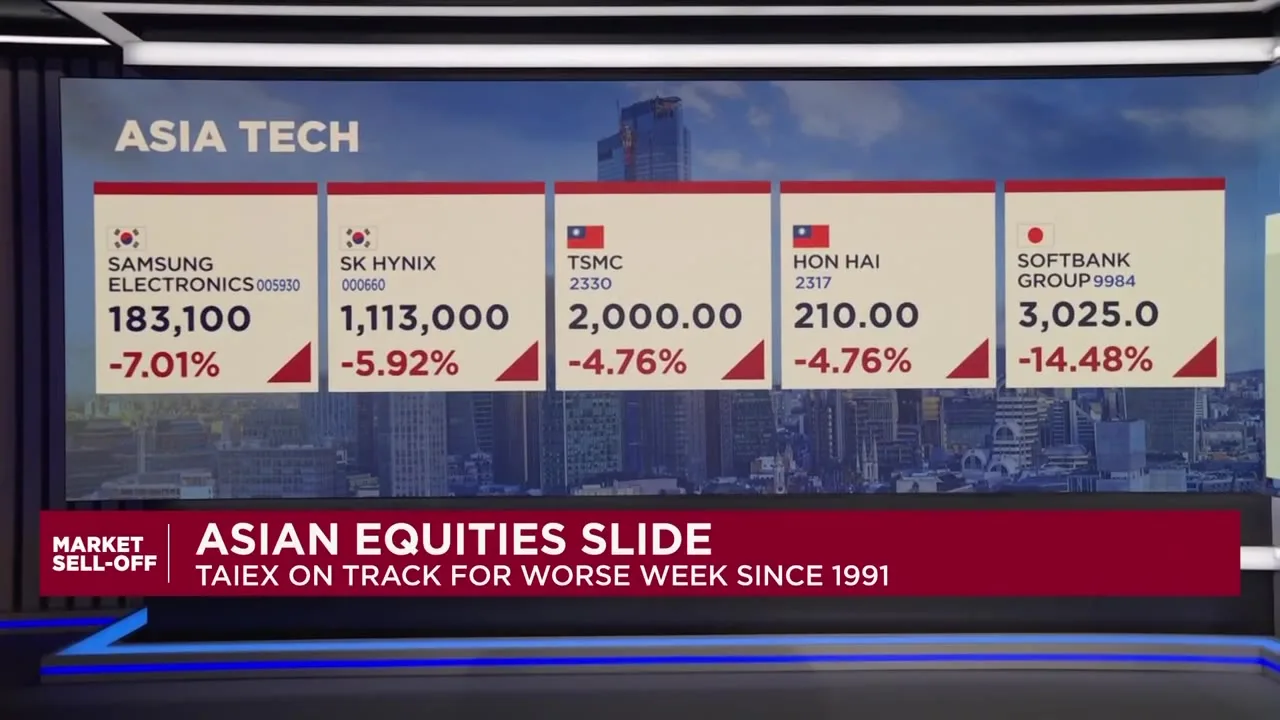
The selling spread into Asia. Japan’s stock market fell 5%, the KOSPI dropped 5% and Hong Kong was weaker, though its decline was more contained. Technology-heavy markets and companies bore the brunt of the losses.
Samsung Electronics fell 7%, SK Hynix dropped more than 5% and Taiwan Semiconductor Manufacturing Co. declined 4.75%. SoftBank Group, which has been linked to financing the technology buildout in the United States, fell 14%.
European futures also pointed lower after four or five sessions on the back foot. The DAX was down more than 1.5% in early trading, while U.S. futures showed smaller ranges but no clear sign that selling had stopped.
The discussion broadened beyond technology as the Russell 2000 fell 13% from its record high and the Dow Jones Transportation Average dropped 18.9%. Investors were seeking safety in bonds and the dollar, while gold was also under pressure.
Leverage and margin calls in Asia were described as adding to the selling, including large leveraged positions in South Korean technology shares. The market move was portrayed as a broad selloff rather than a retreat from equities alone.
Attention also turned to the cost of capital compared with the returns generated by investments. The prospect that the Federal Reserve could act more aggressively has raised concern about companies whose valuations depend on lower interest rates.
Higher financing costs would make uncertain returns on artificial-intelligence investments less attractive. Barclays research also raised the question of whether a Federal Reserve backstop for markets still exists.