


 Blue Origin New Glenn Rocket Explodes During Launch Pad Test, Delaying Space Ambitions
  Is space worth the cost? Accounting experts say its value can’t be found in spreadsheets
  China vs. NASA: The New Moon Race and What's at Stake by 2030
  SpaceX Pivots Toward Moon City as Musk Reframes Long-Term Space Vision
  SpaceX Prioritizes Moon Mission Before Mars as Starship Development Accelerates
  Neuralink Plans High-Volume Brain Implant Production and Fully Automated Surgery by 2026
  NASA's Artemis II Mission: First Crewed Lunar Journey Since Apollo
  Trump Administration to Launch Autism Initiatives Targeting Acetaminophen Use and New Treatment Options
  SpaceX Delays Starship V3 Launch Ahead of Potential Record IPO
  Trump Signs Executive Order to Boost AI Research in Childhood Cancer
  Trump Administration Releases New UFO Files and Apollo Mission Records
  FDA Adds Fatal Risk Warning to J&J and Legend Biotech’s Carvykti Cancer Therapy


 Add as a preferred source on Google
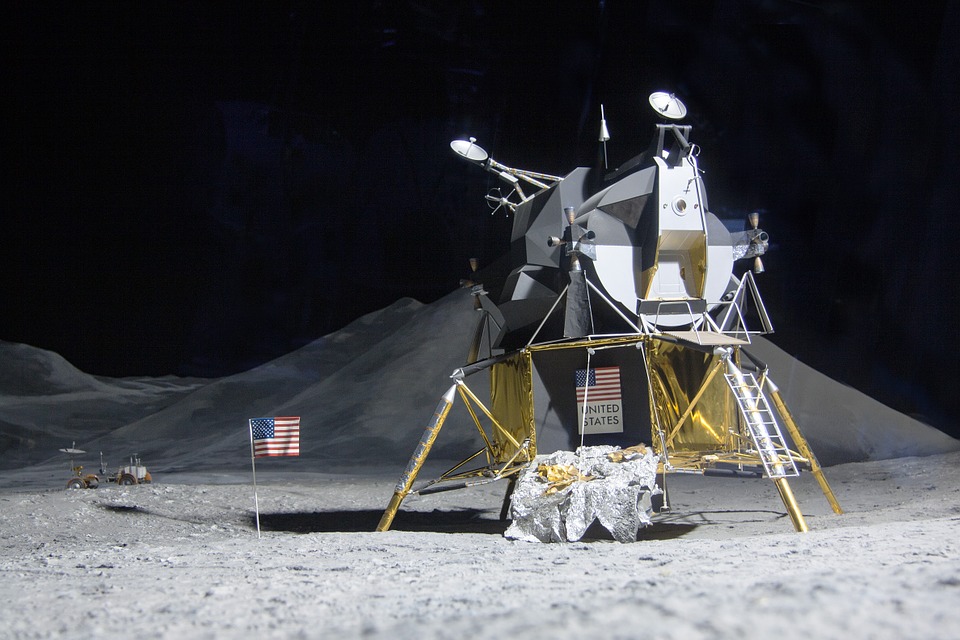
It was in 1969 that the astronauts Neil Armstrong and Buzz Aldrin became the first two men to set foot on the surface of the moon. 50 years later, NASA engineer David Baker shared his experience of the mission, revealing what it was really like back at Mission Control.
Express reports that Baker, who was a Space Systems Engineer for NASA from 1965 to 1984, shared his experience working at Mission Control for the Apollo 11 mission. In an interview in 2019, Baker explained that at the time, it sunk in that they were going to make a big difference with the mission. “When you are young, you’ve got a God-given right to change the world, that’s how young people feel and here we were given blank checks to do it. We couldn’t see any ceilings on our opportunities, we really thought we were redesigning the social, economic, and essentially the management of human societies on a path towards a space-age era,” said Baker.
Baker also revealed that there was a lot of tension during that time because they were attempting to do something they had never done before. “Everything that we had done previously, before the actual attempt at the landing, right up to the point where we were eight kilometers above the moon, we’d done on previous flights. That last eight kilometers, going down to the surface, flying around the curvature of the moon, much of that was completely new ground,” He recalled.
He also shared how he felt physically sick at times during the mission. “I personally felt physically sick, like I was going to throw up, and then it was back to monitoring and you knew there would be time,” said Baker.
Previously, Buzz Aldrin also shared another moment during the Apollo 11 mission. In an interview with Brian Cox back in 2016, Aldrin revealed that some advisors at NASA had proposed using a Nova spacecraft for the Apollo 11 mission, which would only be ready by the seventies. Despite the debate amongst the advisors on the spacecraft to use, especially after they cast doubts on the safety of the Saturn V rocket, Aldrin shared that he had his own idea for a safe landing on the moon, but chose to keep mum on describing that idea in detail.







