


 Meta and Microsoft Cut Internal Claude AI Use
  NASA Artemis II: First Crewed Moon Mission Since Apollo Takes Four Astronauts on 10-Day Lunar Journey
  SpaceX Seeks $40 Billion for Nvidia AI Chips
  DogecoinVM Makes DOGE Transactions 300x Faster
  San Francisco Halts New Data Center Construction With 45-Day Moratorium
  Trump Signs Executive Order to Boost AI Research in Childhood Cancer
  JPMorgan CEO Jamie Dimon Warns Mythos AI Raises Cyber Risk Tenfold
  Tabletop particle accelerator could transform medicine and materials science
  Is space worth the cost? Accounting experts say its value can’t be found in spreadsheets
  Blue Origin’s New Glenn Achieves Breakthrough Success With First NASA Mission
  Zcash NU7 Testnet Cuts Block Time to 25 Seconds
  NASA and Roscosmos Chiefs Meet in Florida to Discuss Moon and ISS Cooperation
  Samsung, SK Hynix Shares Fall Ahead of Q3 Earnings
  Micron Shares Rise 4% Despite Taiwan Strike Risk
  AI Agents Could Disrupt Financial Services, Bernstein Says
  Broadcom, Oracle and SpaceX Seek Billions in Private Debt for AI Expansion
  SoftBank Shares Fall After $10 Billion OpenAI Investment


 Add as a preferred source on Google
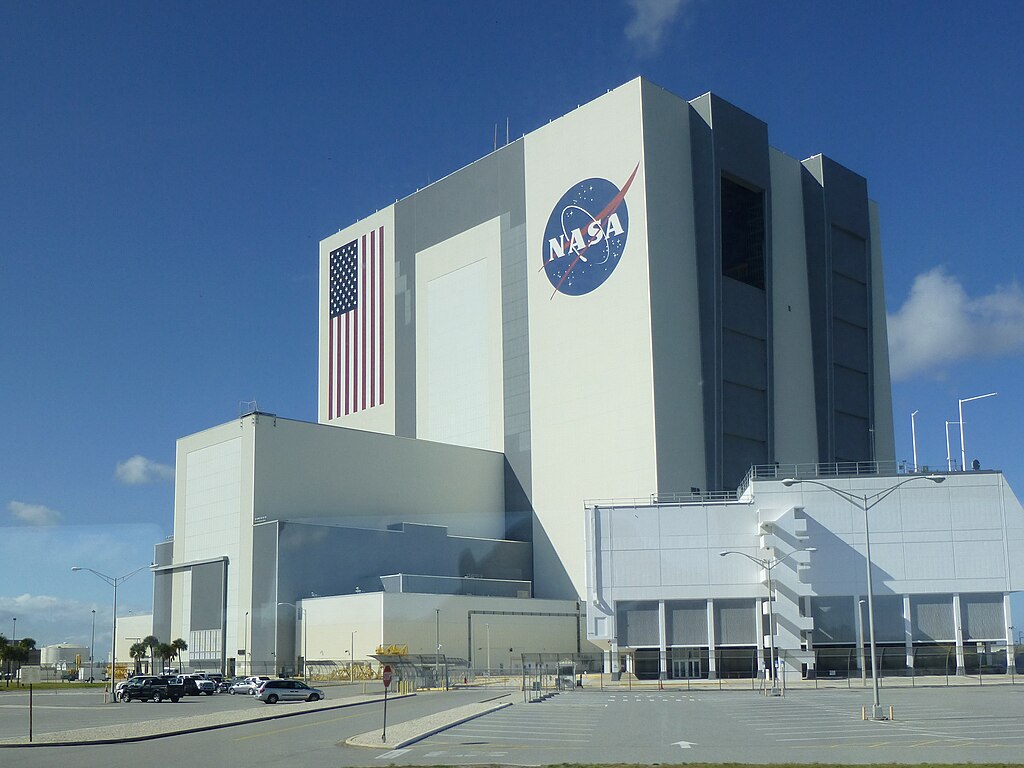
NASA's Artemis II mission launched Wednesday, marking humanity's return to crewed lunar exploration for the first time since the Apollo era. Carrying four astronauts aboard the Orion spacecraft, this historic 10-day mission will take the crew on a sweeping journey around the Moon and back, setting the stage for future crewed lunar landings later this decade.
Artemis II lifted off from Kennedy Space Center in Florida atop the Space Launch System, the most powerful rocket NASA has ever launched. Following liftoff, Orion separated from the rocket's upper stage and entered a highly elliptical Earth orbit, where the crew spent the first one to two days running thorough checks on life-support, propulsion, navigation, and communications systems to confirm the spacecraft's readiness for deep space travel.
Once all systems were verified, Orion performed a critical engine burn called translunar injection, propelling the spacecraft out of Earth orbit and onto a precise trajectory toward the Moon. During the multi-day coast, astronauts continued monitoring onboard systems while traveling farther from Earth than any humans in history. Mission controllers on the ground tracked navigation and communications performance throughout the deep-space transit.
Orion will then swing behind the Moon on a free-return trajectory, a carefully calculated flight path that naturally redirects the spacecraft back toward Earth without requiring additional engine burns. This phase marks the mission's peak distance from Earth.
Following the lunar flyby, the crew will spend several days returning home while conducting deep-space evaluations of power systems, thermal controls, and crew operations. Re-entry will be one of the mission's most critical tests, as Orion plunges into Earth's atmosphere at roughly 25,000 miles per hour, putting its heat shield through an extreme high-speed test. Splashdown in the Pacific Ocean will complete the mission, with recovery teams standing by to retrieve the crew.







