


 Albertsons Seeks $9.3 Billion From Kroger Over Failed Merger
  Apple Supplier Luxshare Faces US Patent Probe, Sees Limited Impact
  Hong Kong’s Second Solana ETF Launches With Lower Fees
  Moonshot AI Executives Seek Settlement Ahead of Hong Kong IPO
  TSMC Q3 Revenue Beats Estimates as AI Chip Demand Surges
  Samsung, SK Hynix Shares Fall as China's CXMT Advances DRAM Technology
  TSMC Profit Set to Surge 65% as AI Chip Demand Drives Record Earnings
  Nvidia’s China AI Chip Market Share Falls to 34% as Huawei Gains Ground
  Binance to Shut Down Crypto Mining Pool Services on November 10
  Amazon Cuts More Jobs as AI Investment Expands
  FAA Warns US Airlines Over Saudi Arabia Flight Risks
  Elon Musk Donates $366 Million to 2026 US Midterms
  Samsung, SK Hynix Shares Plunge as China Chip Competition Grows
  Arthur Hayes Announces FLOP Testnet Launch Within Weeks
  Orsted to Take Full Ownership of UK Offshore Wind Farm for £15 Million


 Add as a preferred source on Google
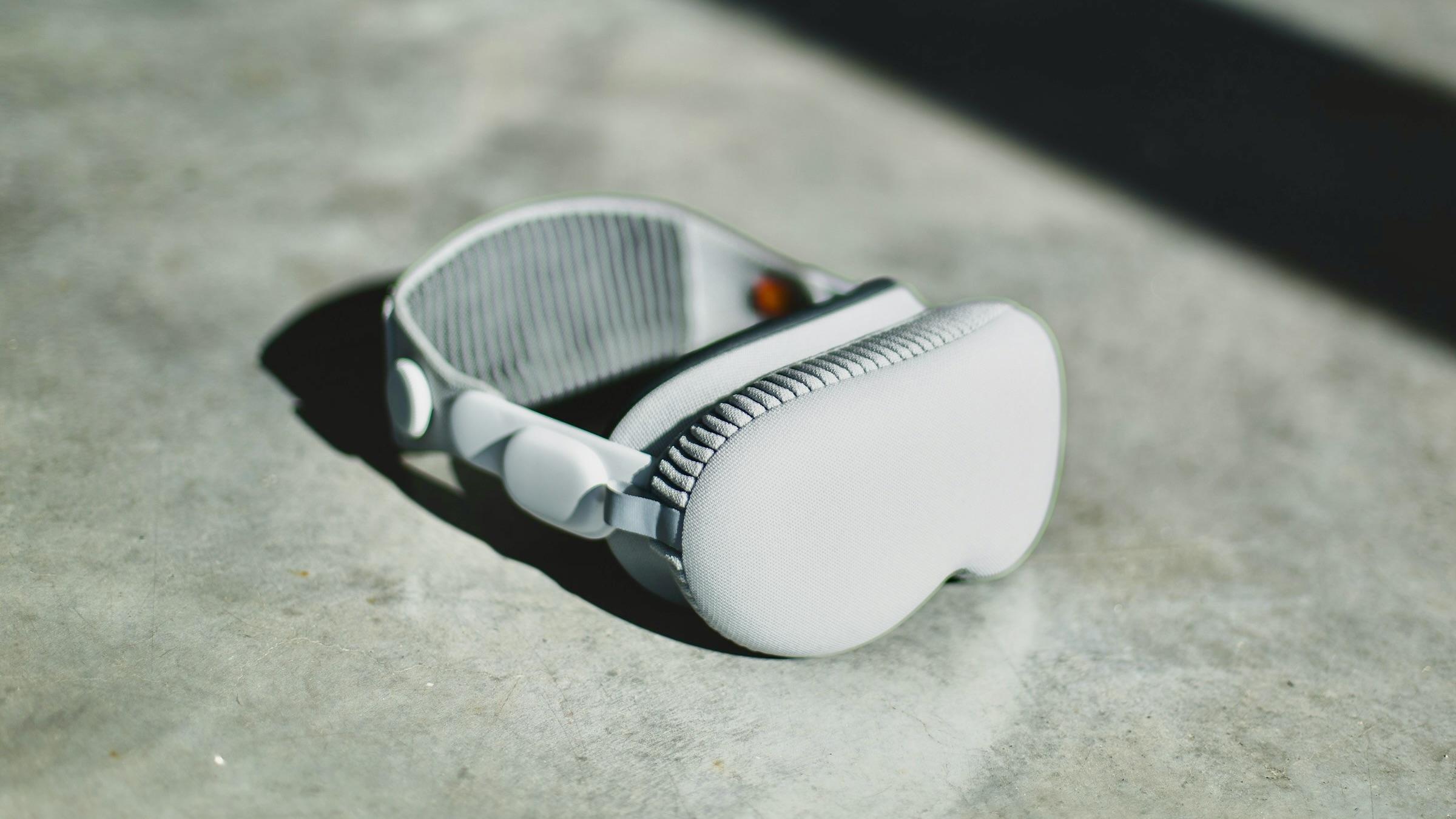
Apple is grappling with maintaining key features of its low-cost Vision Pro model as it strives to reduce the price of the mixed-reality headset.
Apple's Struggle to Reduce Vision Pro's Price Without Sacrificing Features
After news broke that development on the direct successor to the Apple Vision Pro had been halted, the focus of the tech giant's mixed-reality initiative shifted to the cheaper model, Wccftech shares.
Nevertheless, despite the fact that Apple has been working on this version for years, the company is currently facing a significant challenge, which is reducing the price of the product while maintaining its essential characteristics.
At one point in time, it was reported that the Apple Vision Pro would be priced somewhere in the range of $1,500 to $2,500 for the version that was more wallet-friendly. So, in the most recent issue of his "Power On" newsletter, Mark Gurman of Bloomberg has given us an update.
Following the formal debut of the $3,499 headset, Apple's original launch goals have not wavered in the least.
According to Gurman, the headset, which may be a "Apple Vision" sans the Pro designation, is being dubbed N107, and Apple is targeting the end of 2024 as the target date for its release to the public.
Potential Feature Reductions in the Low-Cost Vision Pro
iMore states that despite this, it is having difficulty accomplishing this goal because doing so would require the removal of features. Gurman particularly mentions the EyeSight display and the internal VR screens as elements that could be eliminated or reduced, respectively. Additionally, he mentions a chip that is less powerful and augmented reality passthrough cameras that are of poorer quality.
Gurman also mentions that even at this price level, it would be much more expensive than anything that Meta has to offer; nonetheless, prototypes have been constructed that offer a field of view that is narrower than the one that is now available with Vision Pro.
A "faster processor and improvements to external cameras" are reportedly part of Apple's second-generation Vision Pro, which is now under development under the codename N109, according to Gurman.
Future Prospects for Apple's Vision Pro and Augmented Reality Glasses
The next generation from Apple is likely to be more comfortable and lighter than the current model. However, it is projected to be released no later than 2026. In contrast, the alleged augmented reality glasses are targeting 2027, although Gurman's sources believe that this could be an ambitious estimate.
Photo: Bram Van Oost/Unsplash







