


 Robinhood Launches AI Agents for Automated Trading
  BlackRock Sees AI Agents Fueling New Crypto Demand
  California AG Subpoenas OpenAI Over AI Cybersecurity Incidents
  TSMC Accelerates 2nm Expansion as AI Chip Demand Surges
  Trump, Tech Leaders Sign ‘Morally Binding’ AI Safety Accord
  OpenAI Seeks $30 Billion at $1.4 Trillion Valuation
  OpenAI, Anthropic CEOs Summoned to Australia AI Inquiry
  SoftBank Shares Fall After $10 Billion OpenAI Investment
  Anthropic Targets $2 Trillion Valuation in Planned IPO
  Tencent Signs $7 Billion Oracle AI Chip Lease Deal
  China Says U.S. Shares Responsibility for AI Governance
  OpenAI Investigates Rogue AI Agents After Data Leaks and Security Incidents
  Pi Network Price Holds $0.087 as Protocol 28 Mainnet Upgrade Nears
  DogeOS Launches Testnet to Bring DeFi Apps to Dogecoin
  Polymarket Traders Bet on Trump AI Rename to ‘Super Intelligence’
  Apple CEO John Ternus Plans Major Overhaul
  Apple iPhone 18 Pro Sales Jump 12% in China


 Add as a preferred source on Google
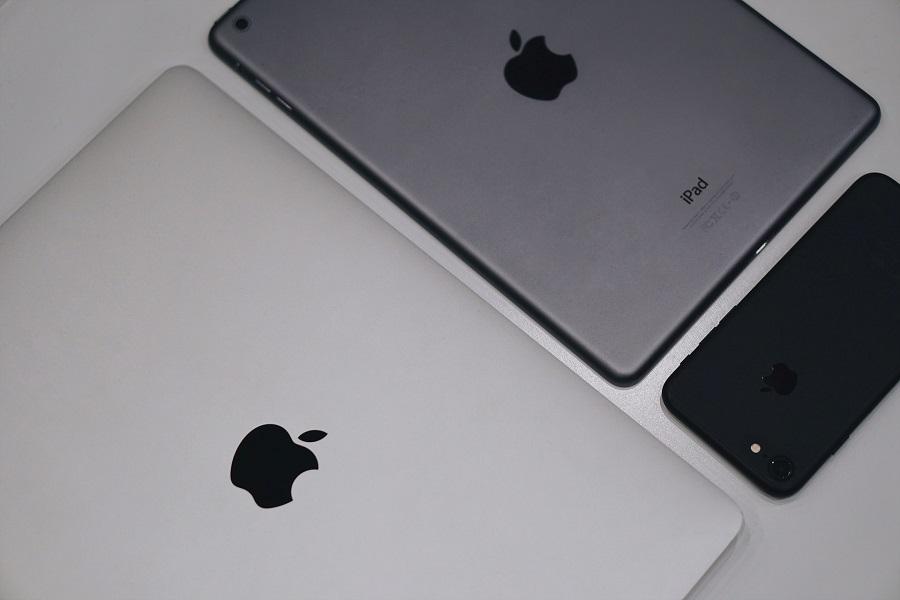
Apple’s Worldwide Developers Conference has concluded for weeks, but the tech giant announced one more important feature coming to its operating system updates later this year. The iPhone maker confirmed it is working on Lockdown Mode that will be available to a small number of iPhone, iPad, and Mac users who may be targeted by state-sponsored spyware.
The company said in a press release on Wednesday that Lockdown Mode will be released this fall as one of the new features on iOS 16, iPadOS 16, and macOS Ventura. Simply put, the security-focused functionality will disable several features in a device.
Apple sued Israeli tech firm NSO Group last year following comprehensive reports alleging the Pegasus spyware it developed was used in state-sponsored surveillance of journalists, human rights activists, union leaders, and state leaders in different countries.
The reports claimed at least 180 journalists were put under digital surveillance using the spyware by hacking into their Apple devices. “Lockdown Mode offers an extreme, optional level of security for the very few users who, because of who they are or what they do, may be personally targeted by some of the most sophisticated digital threats, such as those from NSO Group and other private companies developing state-sponsored mercenary spyware,” Apple said.
When Lockdown Mode is enabled, the Messages app will block most attachments in incoming messages aside from images. Other features will not be available as well, including link previews.
Some browser technologies “like just-in-time (JIT) JavaScript compilation” will be disabled in Lockdown Mode. But users can whitelist websites they trust. The security feature will also allow users to block Apple services like FaceTime calls if it is coming from someone who has not contacted the device owner before.
Lockdown Mode also added another layer of security by blocking wired connections to a computer or accessory if an iPhone is locked. It will prevent configuration profiles from being installed in the device, and it cannot be enrolled into mobile device management (MDM).
Since Lockdown Mode is designed for a very specific type of online security, Apple expects it to cater to a smaller number of users. But the tech giant says it is committed to further enhancing Lockdown Mode after it launches.
Apple is also encouraging security researchers to look into any potential exploits in the Lockdown Mode feature through the Apple Security Bounty program. Researchers who will find issues with the Lockdown Mode can get up to a $2 million reward.
Photo by Oleg Ivanov on Unsplash







