


 Meta Launches Muse Wonder AI Models, Shares Rise 3.7%
  OpenAI Revenue Hits $50 Billion, Below Earlier $70 Billion Estimate
  Zcash Plans Quantum-Resistant Security Upgrade for January
  NEAR Protocol Leads AI Crypto Rally Amid Fed Rate Hike Fears
  Robinhood Chain Eyes Priority Gas Auctions for Faster Trades
  Arm Breaches Qualcomm License Deal, Jury Awards $2
  Epic Games Delays Disney Shooter, Shifts to AI-First Development
  Trezor Cuts Reseller Network After Ledger Security Breach
  Arm Shares Fall Over 3% After Qualcomm Wins License Dispute
  Nvidia’s China AI Chip Market Share Falls to 34% as Huawei Gains Ground
  OpenAI Annualized Revenue Hits $50 Billion, Below Earlier Estimates
  Yandex Data Center Hit by Drone Strike as Russia-Ukraine Cyber Infrastructure Attacks Escalate
  Trump Buys Up to $25M in Meta Stock, Invests in SpaceX Debt
  Apple Supplier Luxshare Faces US Patent Probe, Sees Limited Impact
  Arthur Hayes Announces FLOP Testnet Launch Within Weeks
  Apple Supplier Luxshare Sees Limited Impact From US Patent Probe
  New York Times, AFP Join Coalition to Protect Content From AI


 Add as a preferred source on Google
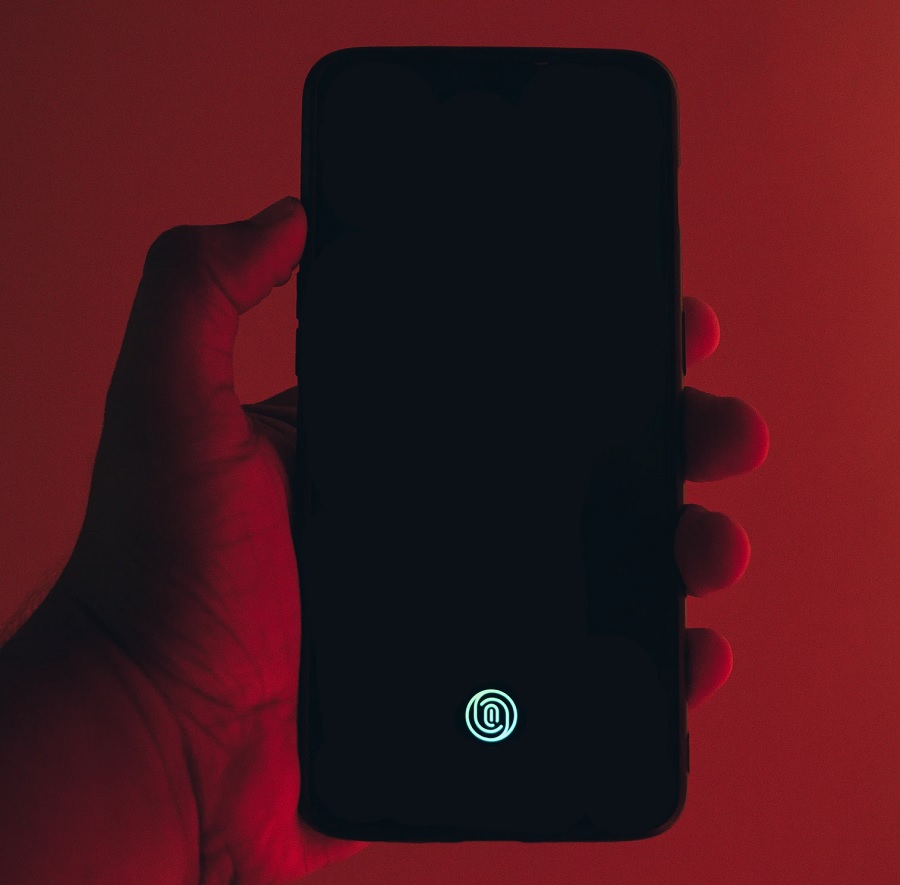
Under-display or in-screen solutions for parts like selfie cameras and fingerprint scanners are becoming more common these days. And a recently granted patent suggests Apple has plans to improve this technology that could potentially be used in future iterations of the Touch ID and Face ID.
The US Patent 11073712 (via Patently Apple) was granted to Apple on Tuesday titled “Electronic device display for through-display imaging.” In it, Apple said that the common solution of incorporating a display and image sensor “typically requires a large-area protective cover,” which then results in thicker bezels and larger phone housing.
Apple describes a more advanced solution that does not simply place imaging sensors below the display stack. The patent appears to be describing a solution that uses “through-display imaging” where the sensors are embedded into the display. The tech giant deems it would be useful for several purposes, such as “biometric imaging,” which includes fingerprint scanning and facial recognition.
Apple fans should not expect the technology being described in the patent to appear in any device soon. Patented inventions and technical solutions take years to materialize most of the time, and in many cases, they never even reach the consumers. However, this is a good indication that Apple is not just considering downsizing the iPhone notch. If any, the patent suggests that an Apple smartphone that is completely without a notch is possible.
Meanwhile, reports about an in-screen Touch ID have been in the rumor mill for some time now. What remains to be seen is if the tech described in the patent would be implemented sooner. A recent report from Ming-Chi Kuo predicts that the iPhone 14 series would include certain models that exclusively feature an in-screen Touch ID. Bloomberg’s Mark Gurman also reported that Apple has been testing under-display fingerprint scanning solutions on iPhones, but it is not expected to become available in the 2021 iPhones.
The Face ID that uses an embedded imaging sensor as described in the patent may be farther in the future, though. As mentioned, Apple is still in the long process of reducing the size of the display notch that houses the TrueDepth camera that is used for both taking selfies and biometric scanning for Face ID.
Photo by Yogesh Rahamatkar on Unsplash







