


 TSMC Q3 Revenue Beats Estimates as AI Chip Demand Surges
  Nvidia’s China AI Chip Market Share Falls to 34% as Huawei Gains Ground
  TSMC Profit Set to Surge 65% as AI Chip Demand Drives Record Earnings
  Samsung, SK Hynix Shares Fall as China's CXMT Advances DRAM Technology
  OpenAI Annualized Revenue Hits $50 Billion, Below Earlier Estimates
  Visa Wins China Approval to Prepare Domestic Payments Expansion
  Amazon Cuts More Jobs as AI Investment Expands
  South Korea Blocks 27 Crypto Exchange Websites in Regulatory Crackdown
  Samsung, SK Hynix Shares Plunge as China Chip Competition Grows
  Moonshot AI Executives Seek Settlement Ahead of Hong Kong IPO
  Nasdaq Faces Pullback to 26,225 Despite Bullish Outlook, UBS Says
  Canton Network Expands in South Korea With Major Partnerships
  Most Americans Oppose Election Betting on Prediction Markets, Poll Finds
  Amazon in Talks to Acquire AI Startup Decart for $7 Billion
  Elon Musk Accuses Indian Telecom Giants of Blocking Starlink Launch
  Robinhood Chain Eyes Priority Gas Auctions for Faster Trades
  Arthur Hayes Announces FLOP Testnet Launch Within Weeks


 Add as a preferred source on Google
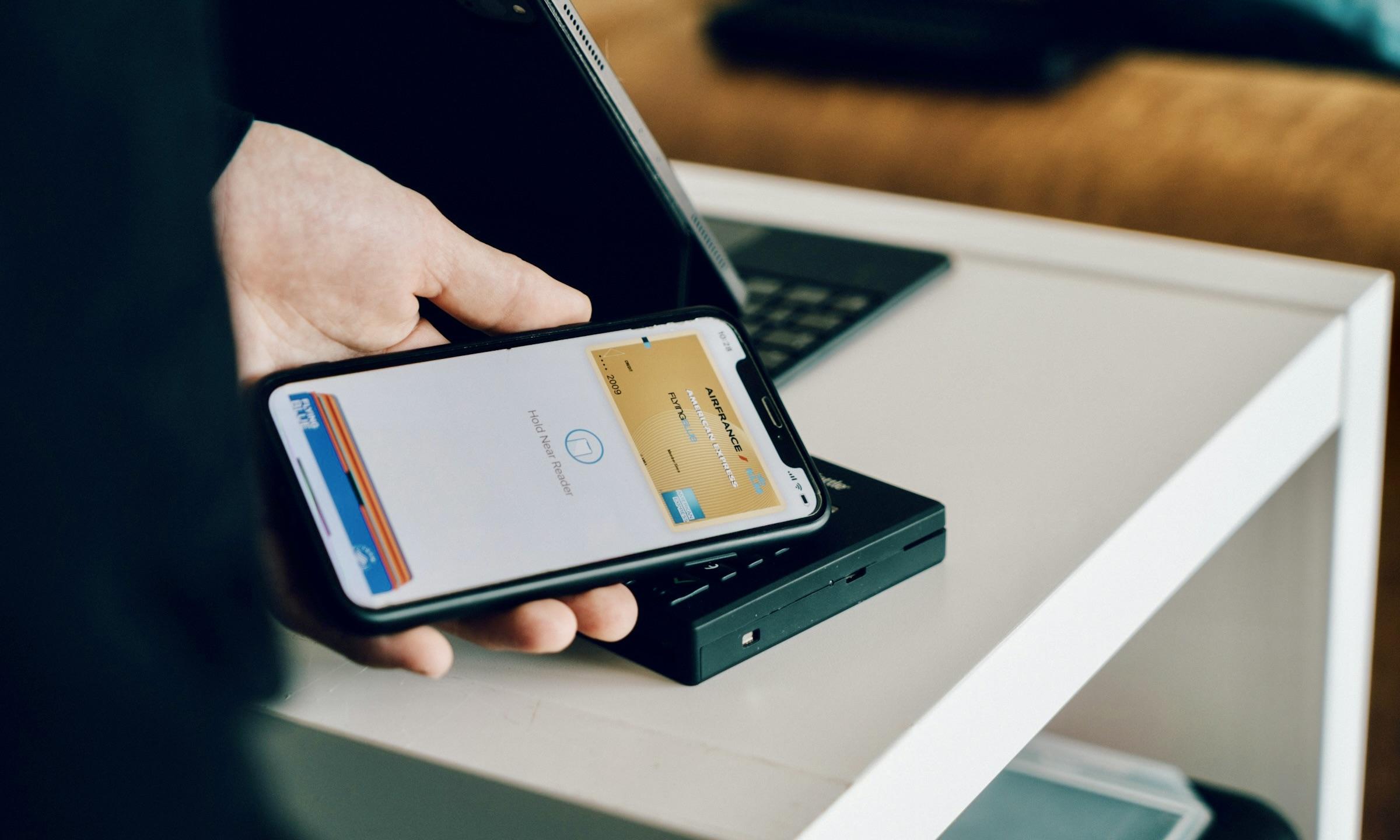
With the release of iOS 18.1, Apple is allowing third-party apps to integrate tap-to-pay features, significantly expanding the use of NFC technology. This update provides developers with new tools to create seamless in-app payment experiences.
Apple’s iOS 18.1 Opens Tap-to-Pay to Third Parties
Beginning with iOS 18.1, Apple will allow developers to enable in-app NFC transactions by utilizing the Secure Element.
Additionally, as part of the update, you will have the ability to designate a default contactless payment app that will be accessible when you double-click the side button on your iPhone, The Verge shares.
In the past, Apple Pay was only able to be displayed when the button in question was double-clicked.
NFC Now Available for More Than Just Tag Scanning
As a result of this modification, developers will have the ability to provide in-app contactless transactions for a wide range of applications. These transactions will include "in-store payments, car keys, closed-loop transit, corporate badges, student IDs, home keys, hotel keys, merchant loyalty and rewards cards, and event tickets." NFC access for third-party applications has, up to this point, been restricted to the scanning of tags.
In the press release issued by Apple, it is stated that support for government IDs will be available "in the future."
A future developer beta for iOS 18.1 will make the essential application programming interfaces (APIs) available to developers in the United States of America, Australia, Brazil, Canada, Japan, New Zealand, and the United Kingdom.
Developers Face Requirements to Access Apple’s NFC Tech
Apple also adds that "additional locations to follow" will be included in the test. However, in order to make use of Apple's application programming interfaces (APIs), developers will be required to "enter into a commercial agreement with Apple, request the NFC and SE entitlement, and pay the associated fees."
This change comes after Apple made an offer to open iPhone NFC payments to third-party suppliers in response to an antitrust inquiry conducted by the European European Commission.
The European Commission made the announcement that it had made Apple's commitments legally obligatory over the course of the previous month.







