Most Asian currencies held steady on Thursday after modest gains, as markets continued to price in the possibility of a Federal Reserve rate cut next week. The US Dollar Index edged 0.1% higher following an overnight dip to a one-month low, while Dollar Index Futures rose 0.2% as of 06:14 GMT.
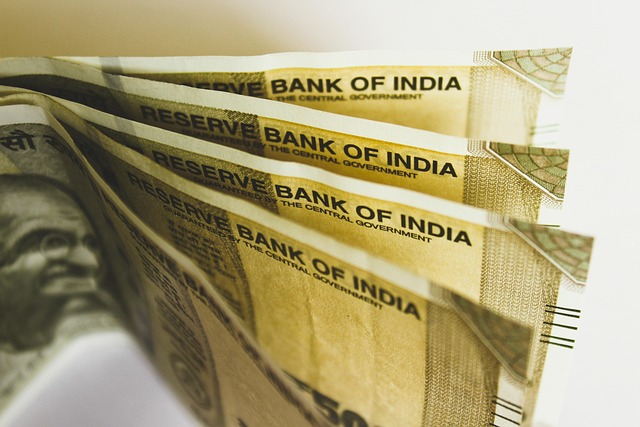
The Indian rupee remained the region’s key underperformer, with the USD/INR pair touching a new all-time high of 90.46, surpassing the previous record of 90.29 set a day earlier. The pair later stabilized near 90.22. The rupee’s persistent weakness reflects ongoing external pressures, including sluggish trade and portfolio flows, low foreign direct investment, and uncertainty surrounding a potential U.S.–India trade deal. Analysts at MUFG noted that the Reserve Bank of India appears to be taking a more hands-off approach toward currency intervention. They added that any policy cues from the upcoming RBI meeting will be closely watched. MUFG also expects that a trade agreement—in which tariffs could fall from 50% to 25%—may offer the rupee some relief by early 2026.
Across Asia, most currencies traded in narrow ranges as investors awaited fresh U.S. economic signals. Recent weaker-than-expected ADP employment data and a soft ISM services reading have strengthened expectations for a Fed rate cut. MUFG analysts anticipate a divided December Fed meeting but believe the outcome will likely point toward easing. Traders are now focused on Friday’s U.S. PCE inflation report, a key indicator for the Fed’s policy trajectory.
The Japanese yen and Chinese yuan saw minimal movement, while the Singapore dollar gained 0.2%. The South Korean won weakened, with USD/KRW climbing 0.4%. Meanwhile, the Australian dollar advanced 0.2%, supported by broader stability in regional markets.