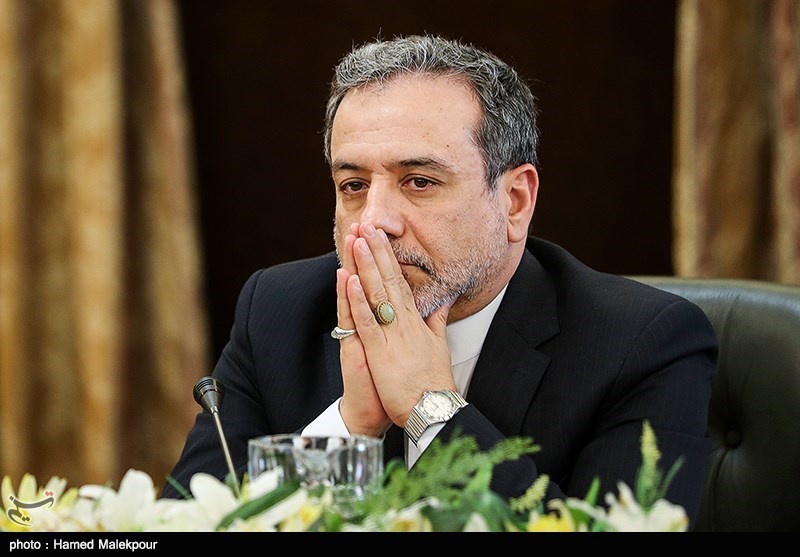
Iran’s Foreign Minister Abbas Araqchi arrived in Islamabad to discuss potential steps toward restarting peace talks with the United States, signaling cautious optimism after weeks of escalating conflict. The ongoing Iran-U.S. war, now in its eighth week, has caused significant geopolitical instability, disrupted global oil supply chains, and driven energy prices higher.
While U.S. President Donald Trump indicated that Iran may present a proposal to meet American demands, uncertainty remains over the details and the parties involved in negotiations. Despite reports that U.S. envoys planned to travel to Pakistan for discussions, Iran clarified that it does not intend to meet directly with U.S. officials, opting instead to communicate its position through diplomatic channels. This development highlights the fragile nature of current diplomacy and the challenges in achieving a lasting agreement.
The conflict has had major economic consequences, particularly due to Iran’s blockade of the Strait of Hormuz, a critical global oil transit route. The disruption has sharply reduced shipping traffic and contributed to volatile oil prices, with Brent crude exceeding $105 per barrel. Energy markets continue to react to uncertainty, as traders weigh the risks of prolonged supply interruptions against the possibility of renewed negotiations.
Efforts to mediate the crisis have gained international support, with regional partners such as Pakistan and Qatar stepping in to facilitate dialogue. Meanwhile, U.S. officials maintain that Iran still has an opportunity to reach a favorable deal, particularly if it addresses concerns over its nuclear program. However, previous attempts at negotiation have stalled, and both sides remain cautious.
In parallel, tensions in Lebanon involving Hezbollah and Israel further complicate the regional landscape. Continued military activity despite a temporary ceasefire underscores the broader instability tied to the Iran conflict. As diplomatic efforts continue, global markets and political observers remain focused on whether renewed talks can de-escalate tensions and restore stability to energy supply and international relations.