


 Panama Declares Emergency After 7.7 Earthquake Triggers 200 Aftershocks
  Kim Jong Un Showcases ICBM Ahead of Possible Trump Meeting
  Zelenskiy Offers Russia Energy Truce Amid Trump Pressure
  Jordan Bardella Antisemitism Allegations Threaten Le Pen’s Campaign
  Trump Announces Russia-Ukraine Energy Ceasefire as Zelenskiy Awaits Details
  US Authorities Raid Ilhan Omar’s Home Amid Immigration Fraud Probe
  Trump Plans White House Shake-Up of Key AI Safety Agency
  Trump Sanctions International Criminal Court, Sparking EU Backlash
  Trump Announces Russia-Ukraine Energy Ceasefire Amid U.S. Pressure on Kyiv
  Brazil Election: Lula and Bolsonaro Rally Ahead of October 25 Runoff
  Houthis Warn Saudi Airports After Deadly Riyadh Attack
  Trump Defends Russian Diesel Deal Amid US Sanctions Backlash
  Yandex Data Center Hit by Drone Strike as Russia-Ukraine Cyber Infrastructure Attacks Escalate
  NATO Commander Warns Russia of Devastating Response to Attack
  US Condemns China Sanctions on Taiwan Allies Belize and Paraguay
  India Voter List Protests Reach Supreme Court as Opposition Demands Election Chief's Resignation
  Elon Musk Donates $366 Million to 2026 US Midterms


 Add as a preferred source on Google
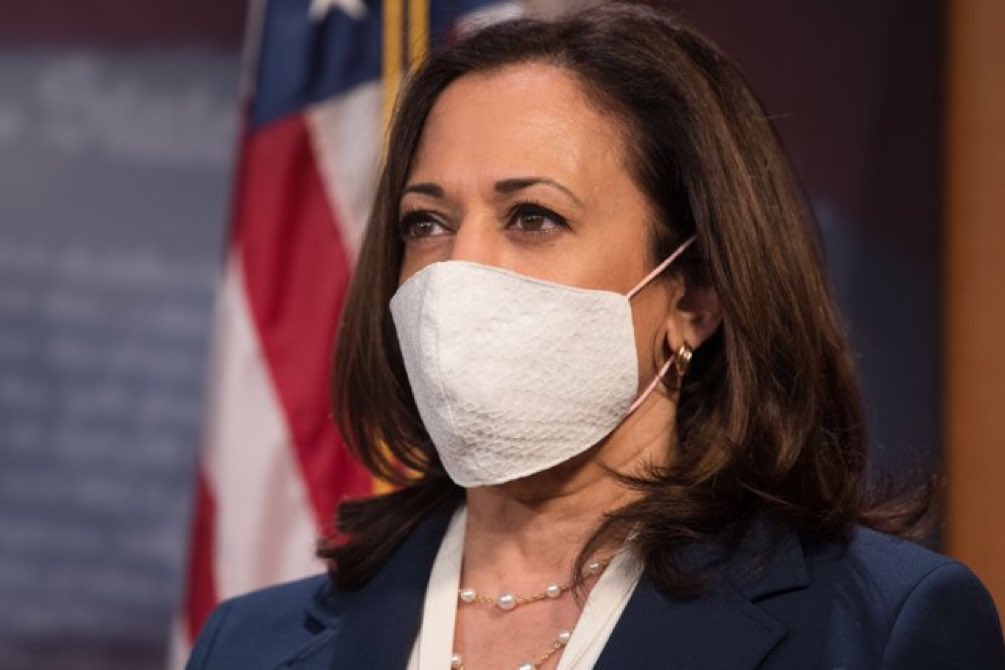
A new CBS poll has revealed that 49% of Arizona voters believe they will be financially worse off if Vice President Kamala Harris is re-elected in 2024. With the economy remaining a central issue for Americans, particularly in battleground states like Arizona, these results highlight growing concerns about Harris’s economic policies.
Economic Fears Grip Arizona Voters
The CBS poll has sent ripples through the political landscape, with nearly half of Arizona voters expressing skepticism over Harris’s ability to improve their financial situations. Many voters in the state are bracing for economic challenges, pointing to rising inflation, concerns over the national debt, and uncertainty about job creation under Harris’s leadership.
A concerned Arizona voter commented, "Kamala Harris’s policies don’t benefit the working class. Everything just keeps getting more expensive, and it’s only going to get worse."
The sentiment of financial unease is particularly palpable in Arizona, where many residents are already grappling with rising costs of living, housing shortages, and concerns about future economic stability.
Kamala’s Economic Policies Under Fire
Critics have long expressed doubt about Harris’s ability to implement sound economic policies, particularly given her association with the current administration’s handling of inflation and employment rates. Voters are pointing to the economic difficulties experienced under President Joe Biden’s administration, where Harris has played a key role.
"Her track record doesn’t give me hope that things will get better," said another Arizona voter.
Harris, a proponent of progressive policies, has championed measures such as climate action and healthcare reform, but these initiatives have not garnered unanimous support. Arizona voters are worried that such policies could lead to higher taxes and increased financial strain, particularly on middle- and working-class families.
Voters’ Financial Concerns Become a Deciding Factor
The poll’s results suggest that financial issues will be a critical factor for Arizona voters in the 2024 election. With 49% of voters feeling uncertain or worse off under Harris, Republicans are expected to capitalize on these economic anxieties in their campaigns.
Political analysts suggest that Harris will need to address these concerns directly if she hopes to secure support in swing states like Arizona. Her policies must be presented in a way that reassures voters about job creation, inflation management, and overall economic stability.
"We can’t afford more of the same. People are hurting financially," said one voter, encapsulating the fears of many Arizonans.
What This Means for 2024
As Arizona is a key swing state, Harris’s campaign will likely face challenges in swaying voters who fear they’ll be worse off financially under her leadership. If economic anxieties persist, it could open the door for other candidates to appeal to these concerns, making the 2024 race even more competitive.
While Harris will have to work to win over voters in states like Arizona, it’s clear that economic concerns will be at the forefront of many Americans’ minds as they head to the polls in the upcoming election.







