Global currency markets remained largely subdued on Friday, with most Asian currencies showing minimal movement as the U.S. dollar held firm. Investors continued to weigh geopolitical developments in the Middle East and their potential ripple effects on oil prices and global inflation.
The U.S. Dollar Index dipped slightly by 0.1% during Asian trading hours, pulling back after three consecutive sessions of gains. Dollar Index Futures mirrored this modest decline, reflecting cautious sentiment across markets.
A key driver of recent volatility was U.S. President Donald Trump's announcement that he would pause military strikes on Iran's energy infrastructure for 10 days, following a request from Tehran. Trump noted that negotiations with Iran were progressing positively. The move offered some relief to jittery financial markets, though traders remained alert to the possibility of sudden shifts in the situation.
Analysts at MUFG acknowledged the temporary calm but warned that risks remain tilted toward a prolonged conflict. They noted that Asian currencies most vulnerable to rising energy import costs — particularly the South Korean won and Japanese yen — face continued exposure should tensions escalate again. The yen edged slightly lower against the dollar, while the won was virtually unchanged.
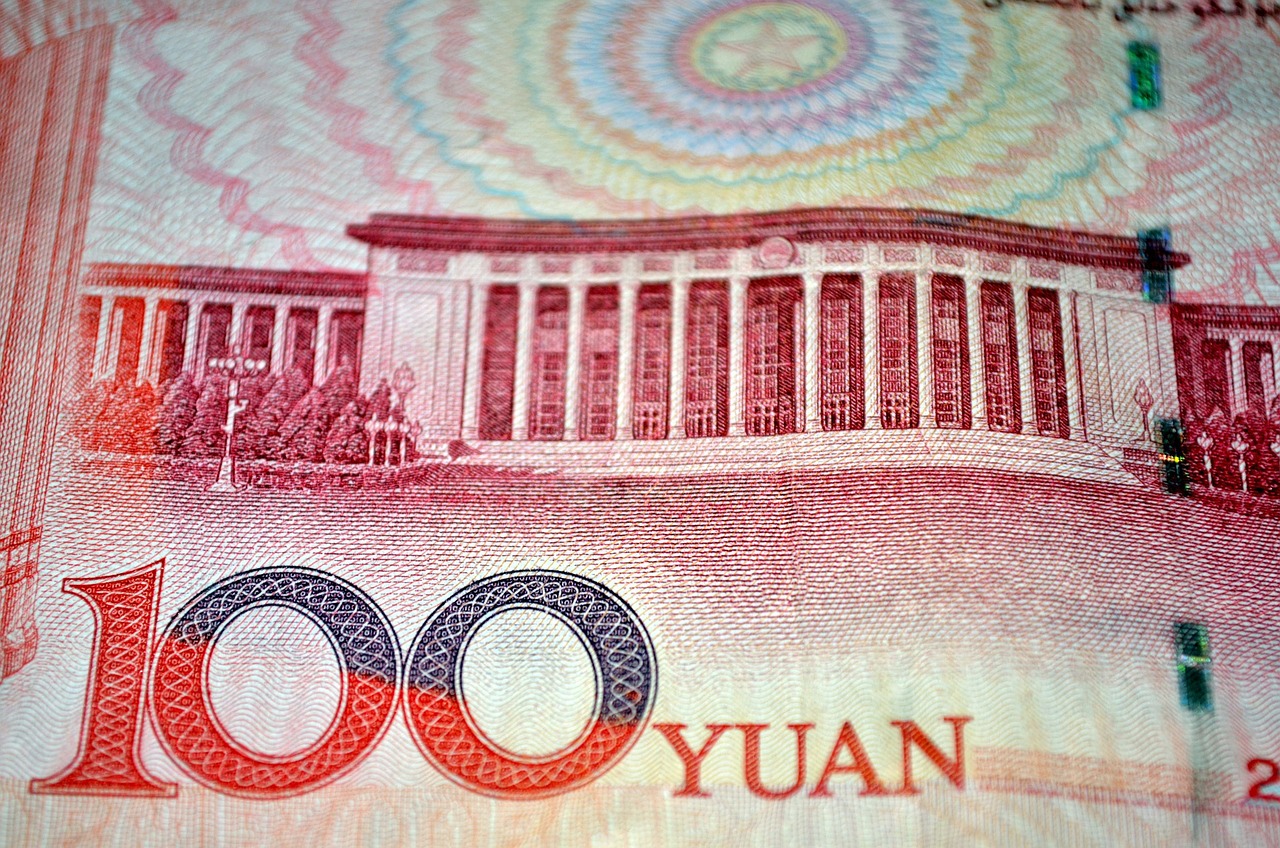
China's yuan ticked marginally higher, and the Singapore dollar traded flat, reflecting the broader pattern of muted moves across the region. Meanwhile, the Indian rupee touched a fresh record low, briefly reaching 94.301 per dollar before recovering slightly. The Australian dollar outperformed regional peers, gaining 0.2% against the greenback.
Underpinning dollar strength is the persistent market expectation that U.S. interest rates will remain elevated for an extended period. Crude oil prices had surged near $120 per barrel at the peak of Middle East tensions, stoking inflation fears and reinforcing the case for a hawkish Federal Reserve stance — a dynamic that continues to pressure Asian foreign exchange markets.