Iran plans to establish a new restricted zone in the Gulf and introduce shipping routes through the Strait of Hormuz, escalating tensions after renewed U.S.-Iran strikes disrupted maritime traffic and pushed oil prices higher.
Mohsen Rezaei, secretary of Iran’s Supreme National Security Council, said the restricted area would begin where Tehran considers the U.S. blockade of Iran to start and extend farther into the Gulf. Ships entering the zone could be placed on an Iranian sanctions list.
Rezaei also said Iran and Oman had agreed on maps for a new international shipping corridor through their territorial waters, with Tehran expected to play a management role. The plans are due to be formally approved in the coming days.
Iran, however, has tied fully reopening the Strait of Hormuz to an end to U.S. attacks and threats. The waterway carried roughly one-fifth of global oil supplies before the conflict and remains crucial to international energy markets.
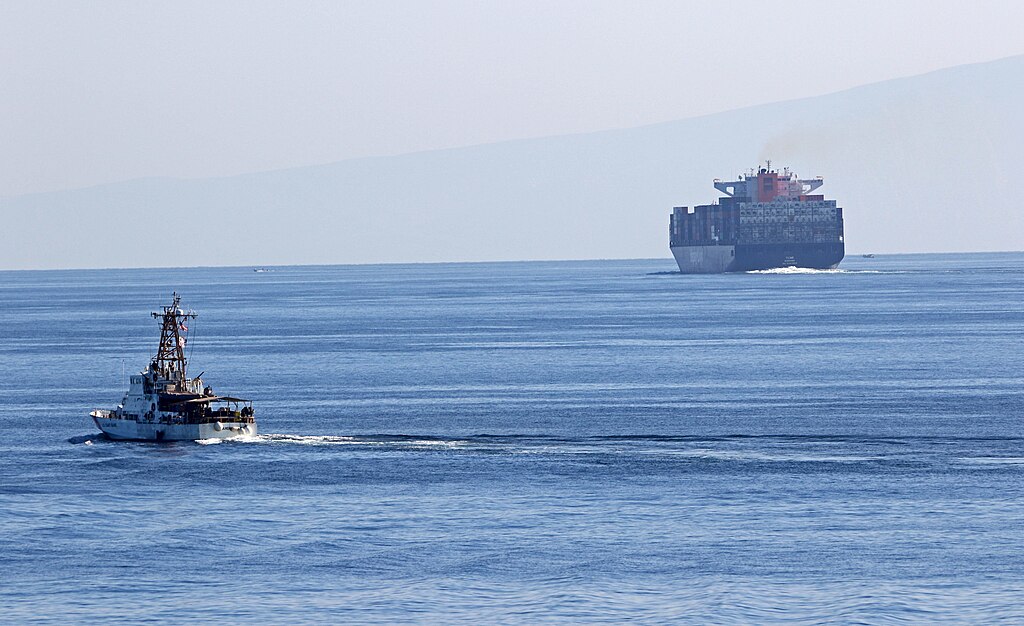
Military tensions intensified over the weekend after U.S. forces struck three Iranian oil tankers, including one near Kharg Island, Iran’s main crude export hub. U.S. Central Command said the operation followed Iranian Revolutionary Guard attacks on American warships.
Shipping through the Strait has fallen sharply. An average of only 10 commodity vessels per day crossed the waterway during the past 10 days, the lowest level since May. Brent crude climbed another 0.8% on Monday to above $97 per barrel after strong gains last week.
Meanwhile, U.S. sanctions and a blockade targeting Iranian oil exports are putting additional pressure on Tehran’s economy. Iranian officials have acknowledged challenges including inflation, unemployment and currency volatility while pledging economic reforms.
Parliament Speaker Mohammad Baqer Qalibaf warned that future attacks on Iranian interests would trigger a “faster, heavier and more painful response.”
Iran’s oil sector has also faced repeated attacks. Oil Minister Mohsen Paknejad said Kharg Island had been struck about 550 times in recent months but remained operational.
U.S. Energy Secretary Chris Wright said more than 9 million barrels of oil were still moving through the Strait daily, while alternative pipelines have helped maintain roughly two-thirds or more of pre-conflict flows.