Asian currencies traded in narrow ranges on Monday as investors weighed renewed demand for the U.S. dollar following escalating tensions in the Middle East against lower U.S. Treasury yields and expectations that the Federal Reserve will keep interest rates unchanged later this month.
The U.S. Dollar Index held near 100.73 after briefly strengthening earlier in the session. Regional currencies showed only modest movements, while Japan's financial markets remained closed for the Marine Day holiday, resulting in thin trading for the yen. Investors are also preparing for a busy week of central bank meetings and key economic data releases across Asia.
The dollar found support after Brent crude prices climbed sharply as the United States carried out a ninth consecutive night of strikes against Iran. The conflict has raised concerns over potential disruptions to global oil supplies and renewed inflation risks, boosting demand for the safe-haven greenback.
However, softer U.S. inflation data released last week pushed Treasury yields lower, limiting further gains in the dollar. Markets currently assign an 85.6% probability that the Federal Reserve will leave interest rates unchanged at its July 29 policy meeting. Cleveland Fed President Beth Hammack recently warned that additional policy tightening could still be necessary if inflation remains persistent.
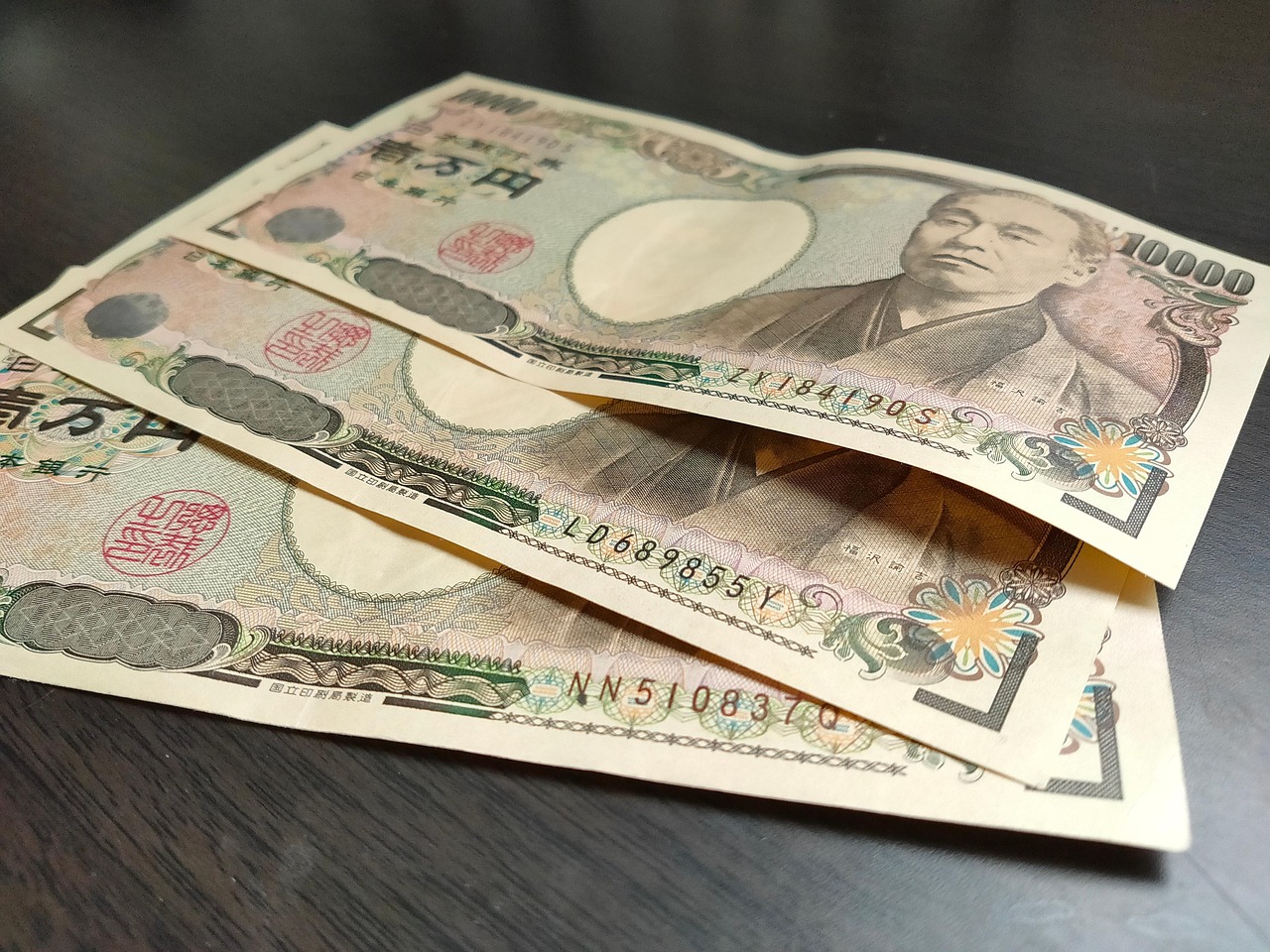
The USD/JPY pair was largely unchanged at 162.36, keeping the yen near multi-decade lows as the wide interest-rate gap between the United States and Japan continued to pressure the Japanese currency.
China's yuan also showed little movement after the People's Bank of China kept its benchmark loan prime rates unchanged, matching market expectations despite weaker second-quarter economic growth. The decision reinforced expectations that Beijing will prioritize targeted fiscal stimulus instead of broad monetary easing.
South Korea's won outperformed regional peers after the government announced sweeping foreign exchange reforms that will allow overseas investors to trade and transfer won through approved foreign institutions beginning in January 2027. The measures are designed to increase the currency's international appeal and attract foreign investment.
Elsewhere, the Australian dollar edged higher, while the Malaysian ringgit and Singapore dollar posted modest gains. Investors are now focused on Bank Indonesia's policy decision, South Korea's second-quarter GDP data, Singapore's inflation figures, and the European Central Bank's meeting later this week, all of which could shape the near-term outlook for Asian currencies and global financial markets.