Asian currencies strengthened modestly on Wednesday as easing U.S. Treasury yields weakened the dollar, while investors awaited minutes from the Federal Reserve’s July policy meeting for fresh clues on the interest rate outlook.
The U.S. Dollar Index slipped 0.1% to 99.57, remaining near its lowest level since early June. Lower Treasury yields provided additional support for Asian foreign exchange markets, with the U.S. 10-year yield easing to 4.702% and the 30-year yield falling to 5.282%.
Attention is now focused on the Fed minutes, which could reveal whether policymakers remain inclined to keep interest rates elevated or consider another increase this year. The central bank maintained its benchmark rate at 3.50%-3.75% in July following a 9-3 vote, highlighting divisions among officials.
Recent weakness in the U.S. dollar has followed softer inflation data and unexpected July job losses, which reduced expectations for further monetary tightening. However, high oil prices and ongoing geopolitical uncertainty limited gains across Asian currencies. Brent crude remained above $91 per barrel amid concerns over Middle East energy supplies and inflation.
The South Korean won led regional gains, with USD/KRW falling nearly 1% to its lowest level since September 2025. The Japanese yen also advanced, pushing USD/JPY down around 0.2% to 159.35, although the yen remained under broader pressure.
Elsewhere, the Chinese yuan was largely unchanged against the dollar, while USD/SGD declined 0.1%. The Australian dollar weakened, with AUD/USD falling approximately 0.3%.
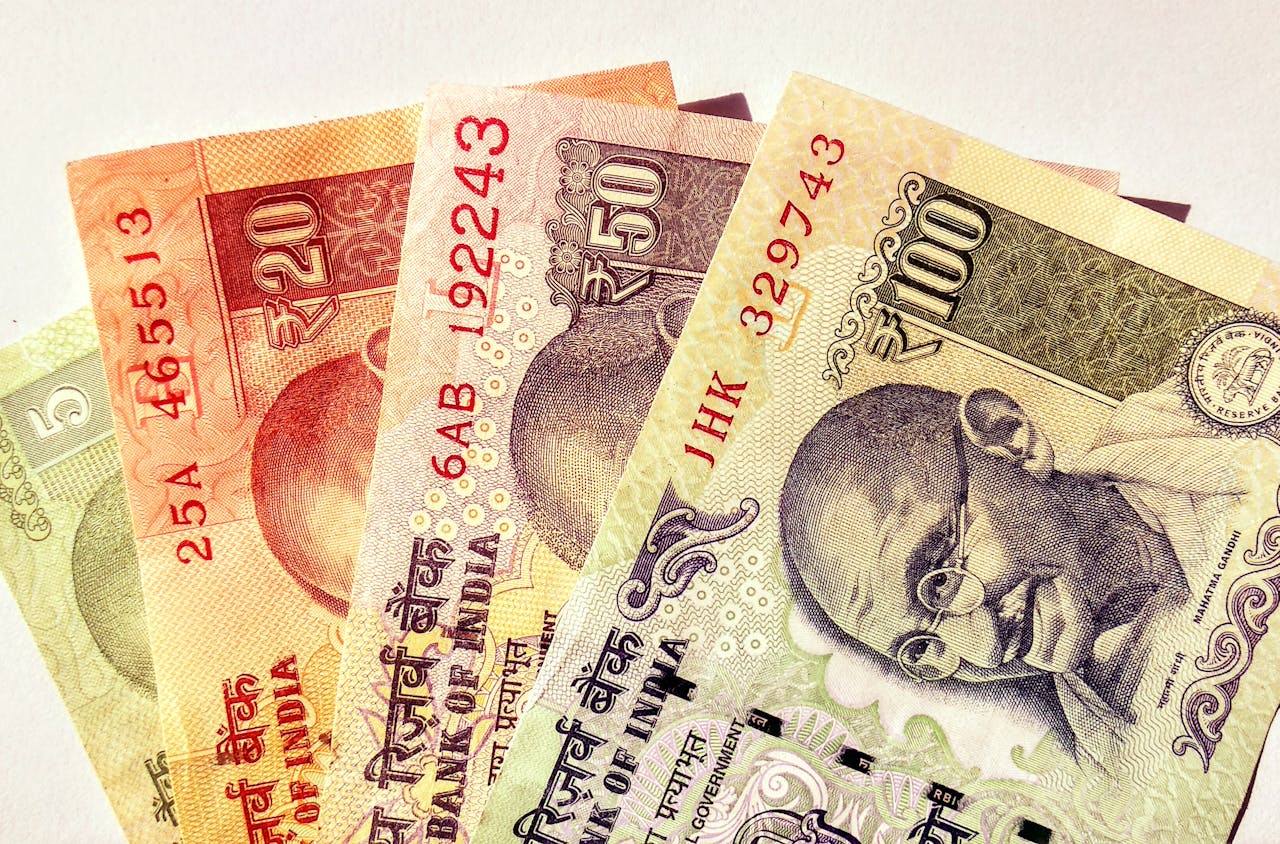
The Indian rupee remained an outlier, extending losses for a fifth consecutive session. USD/INR rose 0.1% to 95.74 as elevated oil prices and global bond yields weighed on the currency despite reports of possible Reserve Bank of India intervention.
MUFG analysts noted that investors are becoming increasingly selective toward Asian currencies, with the South Korean won and Taiwan dollar benefiting particularly from softer U.S. rates and continued strength in the global technology sector.