Most Asian currencies edged lower on Wednesday as the U.S. dollar rebounded from a near four-year low, with global markets focused on the Federal Reserve’s highly anticipated interest rate decision. Despite the mild pullback, regional currencies were still on track for solid weekly gains after the dollar weakened sharply in recent sessions.
The U.S. dollar index rose nearly 0.4% during Asian trading, while dollar index futures eased slightly. The greenback had touched its weakest level since February 2022 a day earlier, pressured by uncertainty surrounding the U.S. economic outlook and President Donald Trump’s policy stance. Dollar selling intensified after Trump downplayed concerns about the currency’s recent weakness, adding to market volatility.
Attention has now shifted to the conclusion of the Fed’s policy meeting, where interest rates are widely expected to remain unchanged at 3.75%. Investors are closely watching comments from Fed Chair Jerome Powell for clues on future rate cuts, especially amid growing political pressure from the White House to loosen monetary policy. Trump also stated he was close to nominating a replacement for Powell, claiming rates would fall sharply under new Fed leadership.
Among Asian currencies, the Japanese yen has been one of the strongest performers this week. Although USD/JPY rose 0.3% on Wednesday, the yen remains supported by speculation of possible currency market intervention by Japanese authorities. Warnings from Prime Minister Sanae Takaichi about excessive volatility have fueled expectations of coordinated intervention by Japan and the U.S.
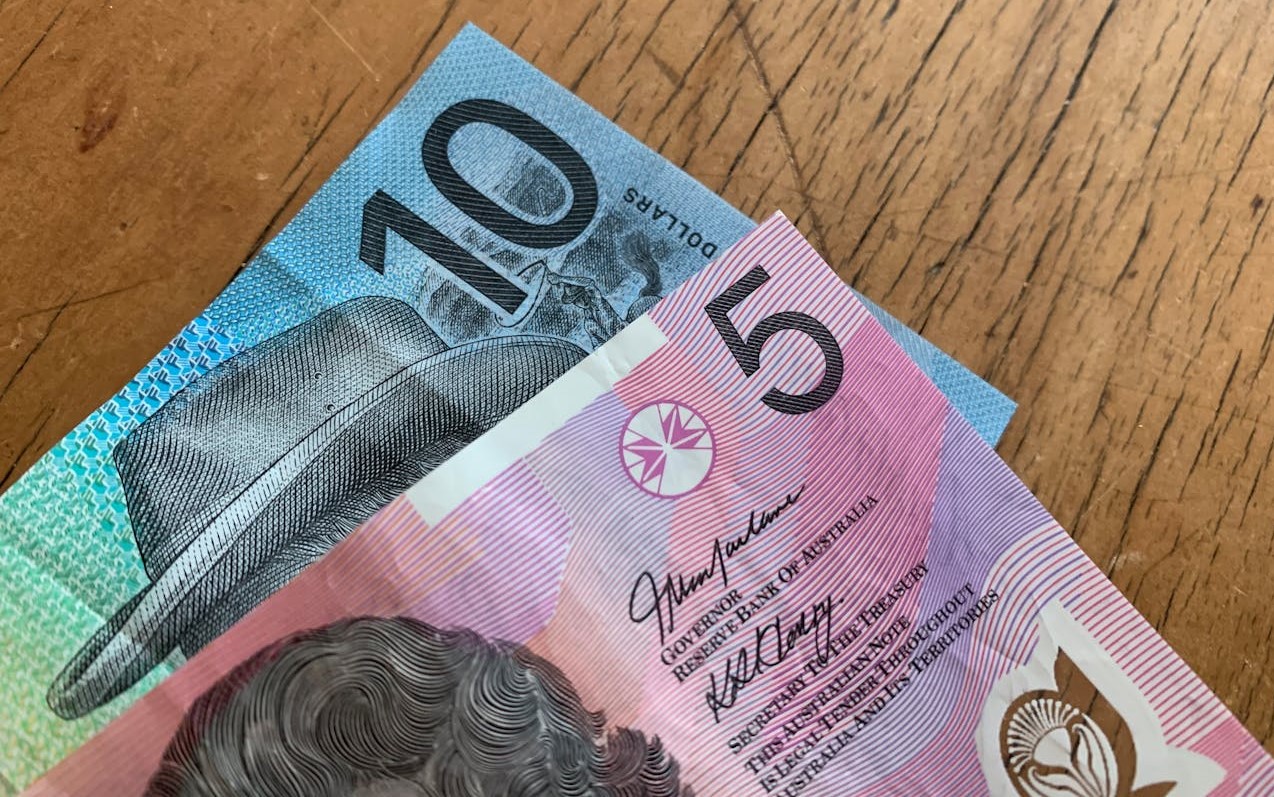
The Australian dollar eased 0.3% from a near three-year high after hotter-than-expected December inflation data. The strong consumer price index has boosted bets that the Reserve Bank of Australia will deliver a 25-basis-point rate hike at its upcoming meeting, according to major analysts.
The Chinese yuan stood out as an outperformer, with USD/CNY falling to a 31-month low amid sustained policy support from Beijing. Meanwhile, the Singapore dollar, Taiwan dollar, and Indian rupee weakened slightly, with the rupee remaining near record lows due to economic uncertainty and trade concerns.
Overall, Asian currency markets remain highly sensitive to Fed signals, dollar movements, and regional central bank policies, keeping volatility elevated in the near term.