Most Asian currencies traded within a narrow range against the U.S. dollar as global markets turned cautious ahead of key U.S. labor market data due later this week. Currency traders largely avoided taking major positions, with attention firmly on upcoming macroeconomic indicators from the United States and Asia that could shape interest rate expectations and broader market sentiment.
The U.S. dollar edged slightly lower in Asian trading, with the dollar index and futures slipping around 0.1%. Investors are awaiting crucial employment figures, including December’s nonfarm payrolls report scheduled for Friday. Labor market resilience remains a central factor in the Federal Reserve’s monetary policy outlook, and any surprises in the data could influence expectations around future interest rate moves.
While the dollar showed modest weakness, Asian currencies found limited support as overall risk appetite remained subdued. Heightened geopolitical tensions continued to weigh on sentiment, including escalating diplomatic frictions between China and Japan. Beijing’s move to restrict exports of goods with potential military applications to Japan added to regional uncertainty, though the Chinese yuan remained near its strongest levels in over two years.
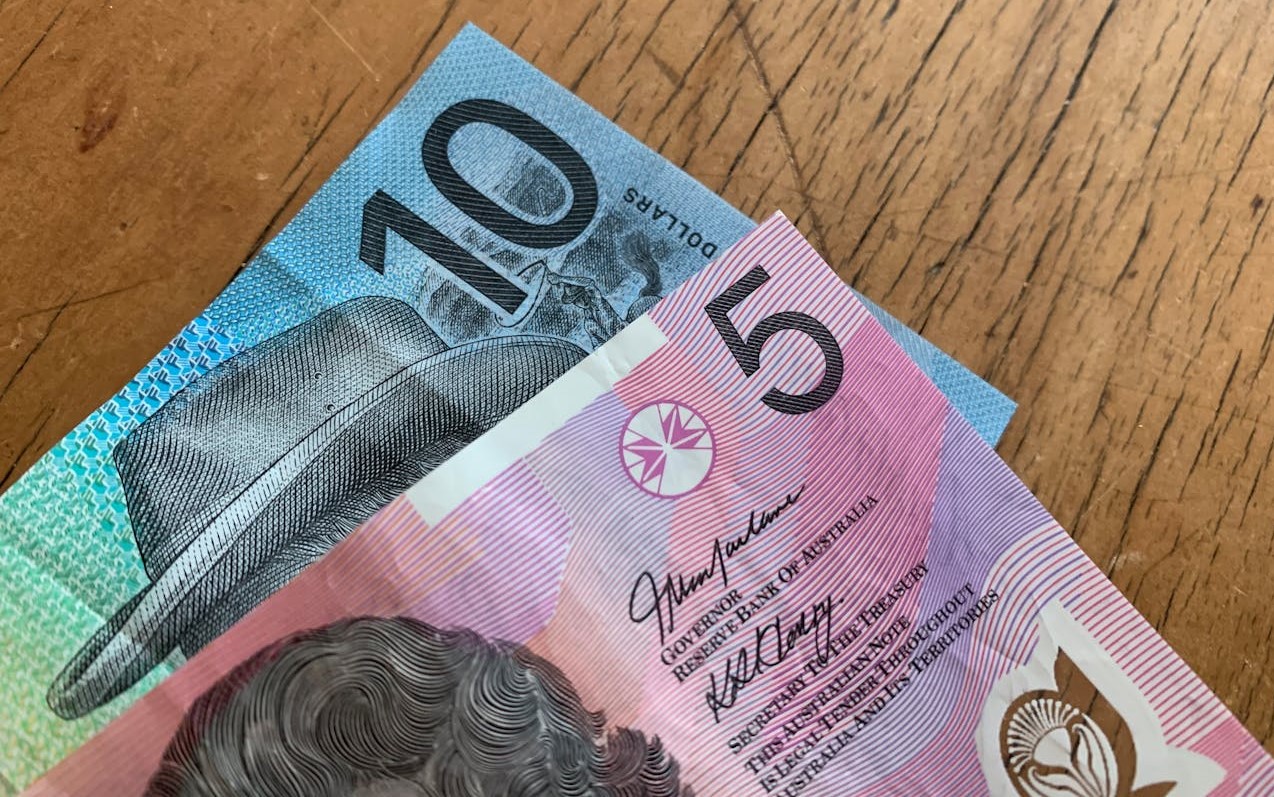
The Australian dollar stood out among regional peers, rising to a 15-month high after November inflation data reinforced a hawkish outlook for the Reserve Bank of Australia. Although headline consumer price inflation came in slightly weaker than expected due to softer retail spending and lower electricity prices, underlying inflation remained sticky and above the RBA’s 2% to 3% target range. This data strengthened market expectations that the RBA will keep interest rates steady in the near term, with some analysts even flagging the possibility of rate hike discussions later this year.
Elsewhere in Asia, the Japanese yen saw modest strength amid speculation over further interest rate hikes and potential market intervention by the Bank of Japan. The Singapore dollar edged lower, while the South Korean won and Taiwanese dollar were largely unchanged. The Indian rupee remained under pressure near the 90-per-dollar level as uncertainty persisted over U.S.-India trade relations and ongoing tariffs.
Overall, currency markets remain cautious as investors brace for a data-heavy week that could set the tone for global foreign exchange trends in the near term.