


 Gold Rebounds as Oil Falls and Treasury Rout Eases
  Oil Prices Slide as Middle East Flows Recover
  BlackRock’s Rick Rieder Favors Bonds Over Stocks as Treasury Yields Surge
  RBI Uses $10 Billion Currency Swaps to Drain Excess Rupee Liquidity
  Asian Stocks Fall as Bond Yields and Oil Prices Surge
  U.S. Stock Futures Steady as AI, Rate Concerns Weigh
  BOJ Set to Raise Rates to 1.25% as Inflation Risks Build
  China Cuts Tariffs on U.S. Farm Goods but Excludes Soybeans
  China, US Extend Trade Truce Through January 10 After Trump-Xi Summit
  Gold Holds Near Seven-Week Low as Fed Rate Hike Bets Rise
  Fed’s Williams Signals One More Rate Hike Before Year-End
  Japan Warns Markets Over Yen Weakness


 Add as a preferred source on Google
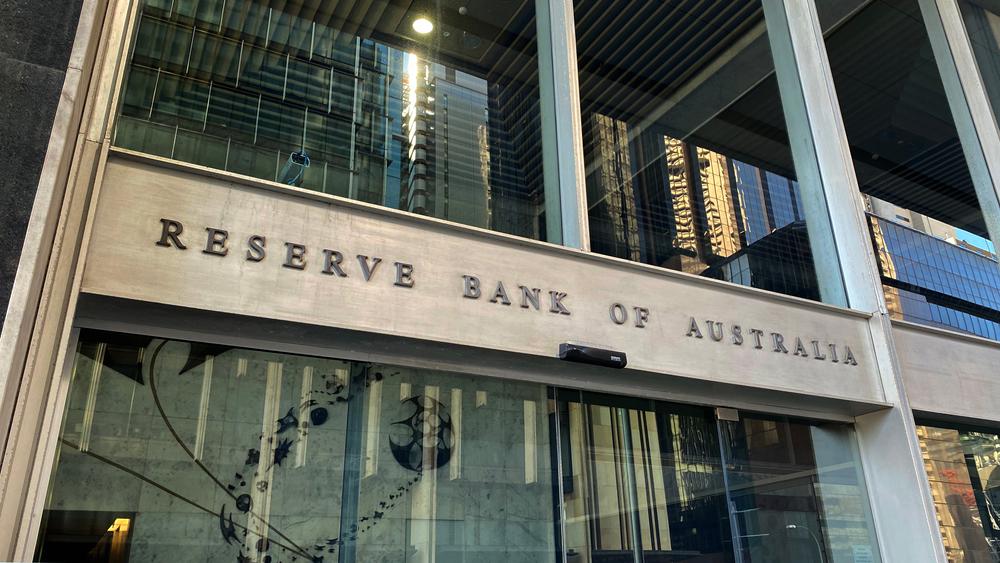
Westpac economists have revised their outlook for Australian monetary policy, now predicting the Reserve Bank of Australia will raise interest rates by 25 basis points at both its March and May meetings. If realized, the consecutive hikes would push the peak cash rate to approximately 4.35% — a notable shift from the bank's earlier forecast of just one increase in May, with further tightening considered only a tail risk.
The updated projection comes as rising global oil prices threaten to temporarily drive headline inflation higher, potentially forcing the RBA's monetary policy board to act preemptively before inflation expectations become entrenched. Westpac's chief economist Luci Ellis noted that while the inflationary impact of elevated oil prices tends to be short-lived, the board is unlikely to stand pat given that broader confidence and financial market conditions have yet to deteriorate significantly.
Beyond the oil price dynamics, Westpac's revised stance reflects growing signals from the RBA itself. Recent central bank communications suggest policymakers remain uneasy about sluggish growth in supply capacity — even as some incoming data points to a modest easing in underlying inflation pressures. That disconnect appears to be keeping the board in a hawkish posture.
That said, Westpac acknowledges the March hike is not a certainty. Should financial market volatility intensify or oil prices reverse sharply, the RBA could opt to hold off until May before tightening policy further.
For Australian borrowers, businesses, and investors, the prospect of two consecutive rate increases underscores the importance of monitoring RBA guidance closely in the weeks ahead. With inflation management remaining the central bank's top priority, further adjustments to the policy rate outlook cannot be ruled out if economic conditions continue to shift.







