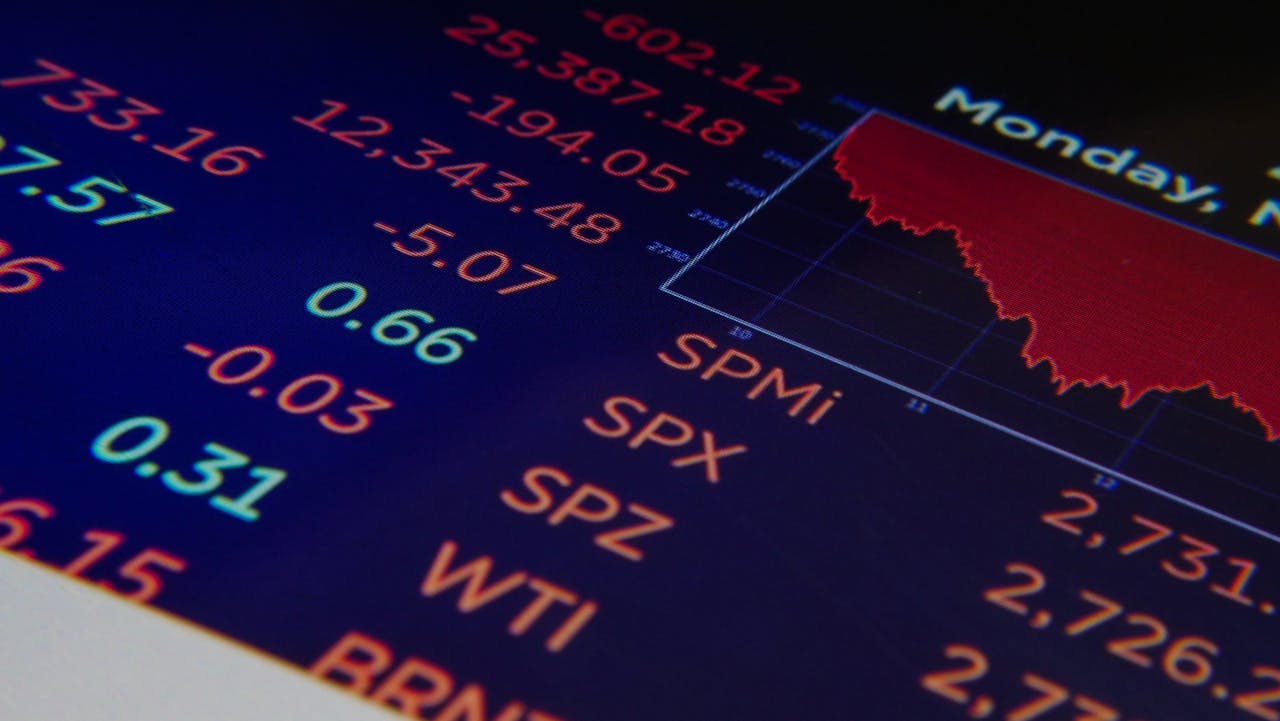
Asian stock markets traded mixed on Tuesday as investors closely monitored upcoming interest rate decisions from the Bank of Japan (BOJ) and the Reserve Bank of Australia (RBA). While South Korean equities led regional gains, Chinese and Hong Kong markets struggled following weaker-than-expected economic data from China.
Investor sentiment received support from Wall Street’s strong performance overnight, driven by optimism surrounding a potential U.S.-Iran peace agreement. Meanwhile, U.S. stock futures edged lower during Asian trading, with S&P 500 Futures slipping 0.1% as markets awaited the Federal Reserve’s latest policy meeting.
Japan’s Nikkei 225 and TOPIX indexes traded in a narrow range ahead of the BOJ’s highly anticipated policy announcement. Market participants widely expect the central bank to raise interest rates by 25 basis points to 1%, reflecting concerns over rising inflation fueled by higher energy costs and resilient consumer spending. Analysts believe the rate increase is largely priced into markets, shifting attention toward the BOJ’s future policy outlook. Persistent inflation pressures and continued weakness in the Japanese yen could encourage a more hawkish stance from policymakers.
Australia’s S&P/ASX 200 declined 0.4%, weighed down by losses in banking and mining stocks. Investors expect the RBA to keep interest rates unchanged after implementing significant rate hikes earlier this year. However, signs of stubborn inflation may increase the likelihood of further monetary tightening in the coming months.
South Korea’s KOSPI emerged as the region’s top performer, climbing 1.5% as technology and semiconductor stocks extended recent gains. The rally mirrored strong advances among U.S. tech companies and highlighted growing investor confidence in the sector.
Chinese equities remained subdued after May economic data revealed ongoing weakness in domestic demand. Retail sales and fixed-asset investment both fell more than anticipated, while industrial production provided a rare positive surprise by exceeding forecasts due to strong export demand. The Shanghai Composite and CSI 300 indexes ended largely unchanged, reflecting continued concerns over China’s economic recovery.
Hong Kong’s Hang Seng Index underperformed regional peers, dropping more than 1% as technology and internet stocks faced renewed selling pressure. Elsewhere, Singapore’s Straits Times Index gained 0.2%, while India’s Nifty 50 futures rose 0.1%, supported by cautious optimism over global economic developments and easing geopolitical tensions.