Asian stock markets extended their losses for a third consecutive session on Wednesday as rising geopolitical tensions and renewed fears of a “Sell America” trade weighed heavily on investor sentiment. Markets were unsettled by escalating rhetoric from U.S. President Donald Trump regarding the potential acquisition of Greenland, alongside renewed tariff threats toward Europe, ahead of his closely watched speech at the World Economic Forum in Davos.
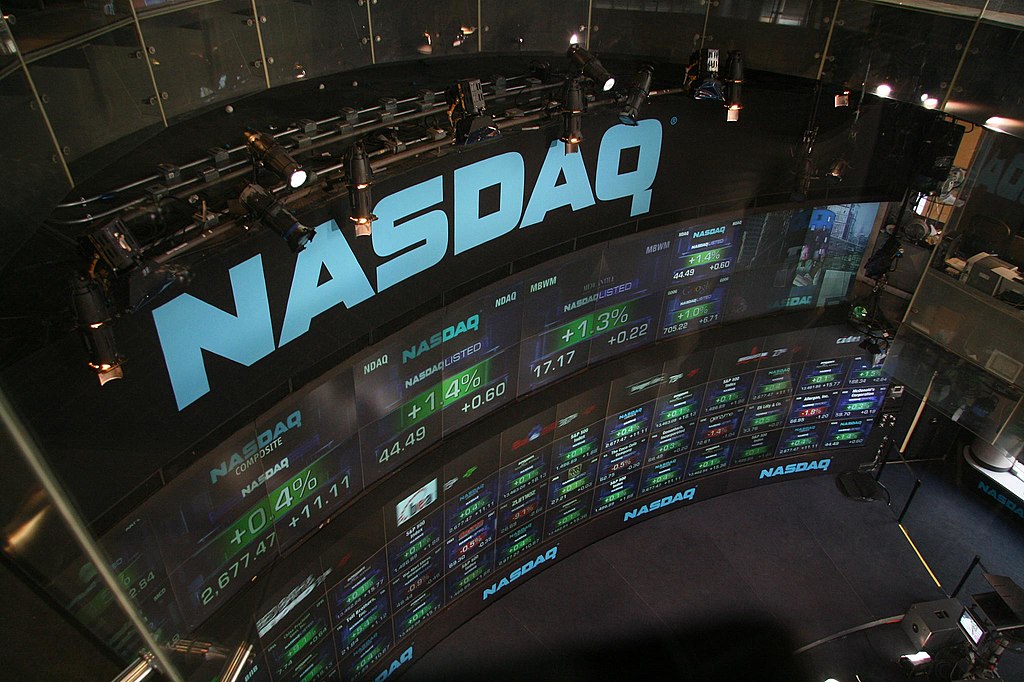
The risk-off mood followed a sharp selloff on Wall Street overnight, where the S&P 500 dropped more than 2% and the Nasdaq Composite fell 2.4%, marking their steepest daily declines in three months. Concerns that foreign investors may accelerate selling of U.S. assets triggered a broad retreat from equities, bonds, and the dollar, which recorded its biggest single-day fall in over a month.
In Asia, MSCI’s Asia-Pacific index excluding Japan slipped 0.3%, while Japan’s Nikkei plunged 1.2%, extending its losing streak to five days. European markets also pointed lower, with EURO STOXX 50 and DAX futures down 0.4%. U.S. stock futures showed a modest rebound, but overall sentiment remained fragile.
The global bond rout showed signs of stabilizing after intense selling driven by surging Japanese government bond yields and worries over U.S. fiscal sustainability. Japan’s 40-year government bond yield eased to 4.145% after hitting a record high, while U.S. 10-year Treasury yields steadied near five-month highs. Notably, Denmark’s AkademikerPension announced plans to divest $100 million in U.S. Treasuries, citing concerns over U.S. government finances.
Safe-haven demand surged as investors flocked to precious metals. Gold prices jumped to a record $4,806 an ounce, while silver hovered just below its all-time high. In currency markets, the dollar stabilized after a sharp drop, while the Swiss franc hit a record high against the yen.
Oil prices declined as expectations of rising U.S. crude inventories outweighed supply disruptions in Kazakhstan. Overall, markets remain highly sensitive to geopolitical developments, central bank signals, and Trump’s policy direction as global investors brace for continued volatility.