Asian stock markets traded mostly higher on Wednesday after weaker-than-expected U.S. inflation data eased expectations of a near-term Federal Reserve interest rate hike, although escalating tensions in the Middle East capped broader gains across the region.
U.S. stock index futures also moved higher during Asian trading after Wall Street closed in positive territory overnight, supported by lower Treasury yields and renewed strength in technology stocks.
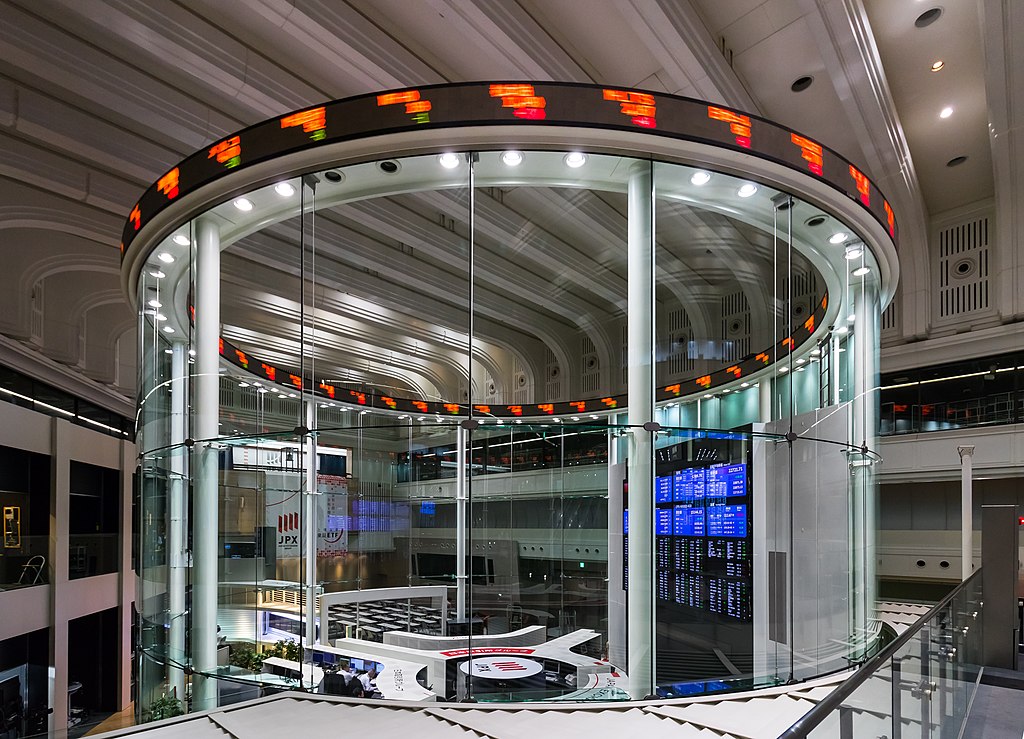
Japan's Nikkei 225 gained 1%, while the broader TOPIX index added 0.5%. South Korea led regional markets, with the KOSPI surging nearly 6% as semiconductor stocks rallied sharply. SK Hynix jumped almost 13% after strong gains in its U.S.-listed shares, while Samsung Electronics climbed about 8% following reports that the company had reviewed plans for a potential U.S. listing.
Investor sentiment improved after data showed U.S. consumer prices fell 0.4% in June, marking the first monthly decline since the pandemic. Core inflation remained at 2.6%, below market expectations, prompting traders to scale back bets on a Federal Reserve rate increase this month.
However, gains were limited by geopolitical concerns after President Donald Trump warned of further military action against Iran and maintained a U.S. blockade on Iranian-linked shipping through the Strait of Hormuz. Oil prices remained near one-month highs, raising concerns that higher energy costs could reignite inflationary pressures.
Chinese markets underperformed after the country's second-quarter economic growth missed expectations. The Shanghai Composite and CSI 300 both slipped 0.3%, while Hong Kong's Hang Seng Index rose 1.5%.
China's economy expanded 4.3% year-over-year in the April-June quarter, slowing from 5.0% in the previous quarter and falling short of the expected 4.5% growth. June data showed industrial output and retail sales exceeded forecasts, but fixed-asset investment declined 5.7% in the first half, while property investment dropped 18%, highlighting ongoing weakness in the real estate sector.
Elsewhere, Australia's S&P/ASX 200 gained 0.3%, Singapore's Straits Times Index advanced 1.2%, and India's Nifty 50 futures traded little changed as investors balanced improving inflation expectations against lingering geopolitical risks.