


 BOJ Signals Faster Rate Hikes as Inflation Risks Grow
  European Stocks Diverge as French Fiscal Crisis Hits CAC 40
  Yen in Focus as BOJ, Fed Rate Hikes Reshape Currency Markets
  OPEC+ Expected to Hold November Oil Output Quotas Steady
  Asian Currencies Slide as Dollar Rises, Euro Hits 17-Month Low
  Nasdaq Hits Record High as Tech Stocks Lift Wall Street
  Samsung, SK Hynix Shares Fall Ahead of Q3 Earnings
  Gold Prices Slip as Strong Dollar and High Treasury Yields Weigh
  Fed Unveils Stablecoin Rules Under GENIUS Act
  Trump Plans Diesel Tax Relief as Fuel Prices Hit Record Highs
  Asian Stocks Rise as Nasdaq Record Offsets Bond Yield Pressure
  Ukraine Faces $56 Billion Budget Gap as War Costs Soar
  Trump Demands Powell Resign Over Fed Renovation Cost Overruns
  Wall Street Rises as Oil Prices Ease, Nasdaq Hits Record
  Middle East Oil Exports Top Pre-War Levels Despite Hormuz Attacks


 Add as a preferred source on Google
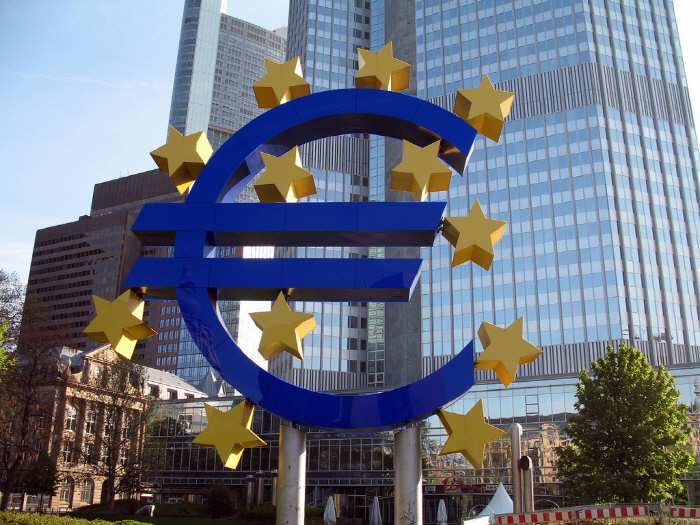
The European Central Bank (ECB) does not currently see evidence that the U.S.-Israeli conflict with Iran is triggering broader inflationary pressures across the euro area, although policymakers remain alert to potential indirect effects on prices, ECB Governing Council member Martin Kocher said.
In an interview with German financial newspaper Börsen-Zeitung published on Wednesday, Kocher said the ECB is closely monitoring whether higher energy costs and other disruptions linked to the Middle East conflict could eventually feed into wider inflation through so-called second-round effects, such as rising wages and broader price increases.
"At the moment we are paying particular attention to the indirect price effects of the war in the Middle East and possible second-round effects. We currently see no second-round effects," Kocher said, adding that the ECB will continue to align its monetary policy with inflation expectations.
Kocher, who also serves as governor of Austria's central bank, noted that the geopolitical situation remains highly uncertain as the intensity of the conflict continues to fluctuate. He stressed that the ECB stands ready to respond if inflation risks intensify.
"Therefore we are ready at any time to deploy monetary policy measures, should that be necessary," he said.
The ECB has repeatedly emphasized that geopolitical tensions, particularly those affecting global energy markets, remain a key risk to the inflation outlook. Any sustained increase in oil and gas prices could complicate the central bank's efforts to keep inflation under control.
Despite the uncertainty, Kocher said the euro area economy has so far shown resilience. However, he cautioned that a prolonged conflict involving Iran could increase economic pressures and make the outlook more challenging.
He also noted that medium- and long-term inflation expectations remain firmly anchored, suggesting that households, businesses, and financial markets continue to have confidence in the ECB's commitment to maintaining price stability. Stable inflation expectations remain a crucial factor supporting the central bank's current monetary policy strategy as it navigates ongoing geopolitical and economic risks.







