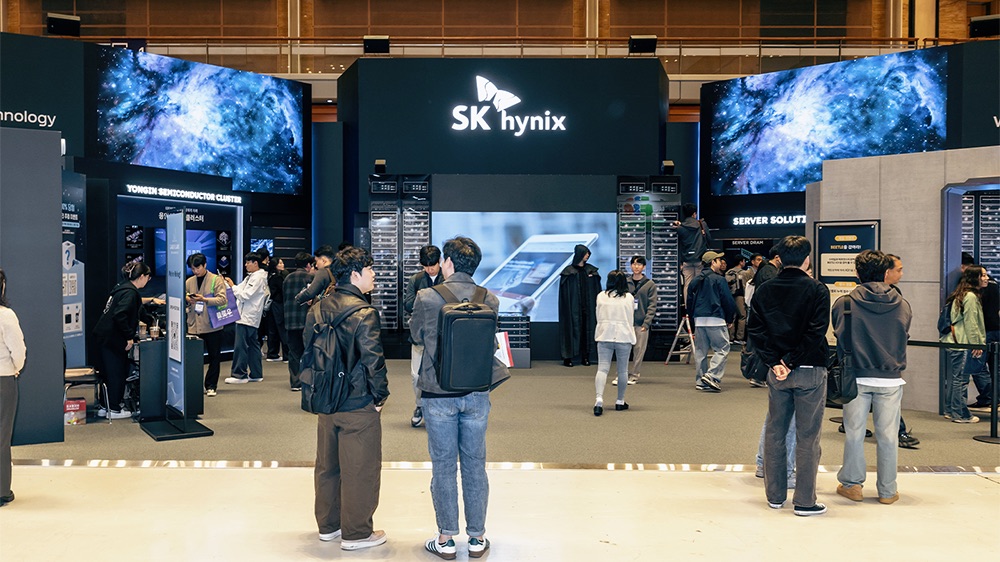
Asian stock markets mostly moved lower on Tuesday as investors locked in profits following a strong artificial intelligence-driven rally that had pushed several regional indexes to record highs. The pullback was led by South Korea, where major semiconductor stocks faced heavy selling pressure after weeks of significant gains fueled by AI-related optimism.
Investor sentiment weakened despite recent progress in diplomatic talks between the United States and Iran. Officials from both countries reportedly made headway during discussions held in Switzerland over the weekend, easing immediate fears of disruptions to global oil supplies through the Strait of Hormuz. However, uncertainty surrounding the long-term success of any agreement kept traders cautious.
Markets also continued to assess the impact of the U.S. Federal Reserve’s recent hawkish policy stance. Expectations for near-term interest rate cuts have diminished, prompting investors to adopt a more conservative approach toward risk assets. Adding to the cautious mood, U.S. technology stocks posted overnight losses, encouraging profit-taking across Asia’s high-flying AI and semiconductor sectors.
South Korea’s KOSPI index was the region’s worst performer, dropping 4.6% after recently reaching record highs. The decline was largely driven by major chipmakers SK Hynix and Samsung Electronics, both of which fell around 5%. The retreat came shortly after SK Hynix surpassed Samsung as South Korea’s most valuable listed company, highlighting the magnitude of the recent AI-fueled rally.
Japan’s Nikkei 225 fell 1.1%, while the broader TOPIX index declined 0.8% as investors reduced exposure to technology and export-focused stocks. Recent PMI data showed improving manufacturing and services activity in Japan, although rising input costs linked to Middle East tensions remained a concern.
Chinese markets were mixed, with the CSI 300 index falling 1% while the Shanghai Composite remained relatively stable. Investors balanced hopes for additional economic stimulus from Beijing against concerns over slowing global growth. Hong Kong’s Hang Seng Index slipped 0.5%, weighed down by weakness in technology and electric vehicle stocks.
Meanwhile, Australia’s ASX 200 traded largely flat as investors awaited upcoming inflation and labor market data. The economic releases are expected to provide further insight into the Reserve Bank of Australia’s monetary policy outlook following its decision to pause interest rate increases.
Looking ahead, global investors are closely watching the upcoming U.S. Personal Consumption Expenditures (PCE) inflation report, a key indicator that could influence Federal Reserve policy expectations and broader market direction.