


 Trump Administration Releases New UFO Files and Apollo Mission Records
  NASA Artemis II: First Crewed Moon Mission Since Apollo Takes Four Astronauts on 10-Day Lunar Journey
  Neuralink Expands Brain Implant Trials with 12 Global Patients
  Senate Sets December 8 Vote on Trump’s NASA Nominee Jared Isaacman
  Cogent Biosciences Soars 120% on Breakthrough Phase 3 Results for Bezuclastinib in GIST Treatment
  Trump and Merck KGaA Partner to Slash IVF Drug Costs and Expand Fertility Coverage
  SpaceX’s Starship Completes 11th Test Flight, Paving Way for Moon and Mars Missions
  Blue Origin New Glenn Explosion Could Delay Launch Operations Until 2028
  SpaceX Pivots Toward Moon City as Musk Reframes Long-Term Space Vision
  Is space worth the cost? Accounting experts say its value can’t be found in spreadsheets
  FDA Pilot Program Eases Rules for Nicotine Pouch Makers


 Add as a preferred source on Google
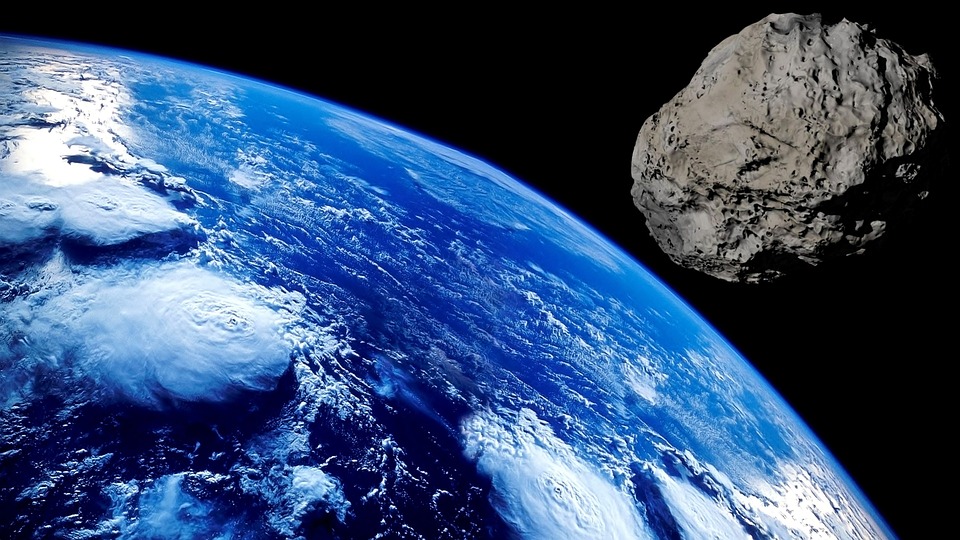
The chances of an asteroid colliding into Earth in recent years and moving into the near future is slim but never zero. Following the latest, almost 4-kilometer asteroid passing by Earth, experts say that the planet has to be prepared for a potential collision.
A few days ago, the asteroid 1998 OR2 flew by Earth, getting as close as 6.29 kilometers. Having measured almost four kilometers in diameter, it was classified as a Potentially Hazardous Object or PHO because should it collide with Earth, the damage it would do would be on a global scale. Even though NASA assured everyone that OR2 would not strike as it passed by, Times writer Matthew Parris advised that being prepared for a potential asteroid collision has some similarities to preparing for a pandemic.
Speaking on Sky News, Parris explained that in the event of an asteroid collision, questions would rise on whether or not the country or the world was prepared. Parris then compared this to how countries have dealt with the current coronavirus pandemic. He explained that the Earth had to find a balance of understanding the probability of an asteroid collision and the time needed to prepare for such an event.
“Not a very near miss, the asteroid is coming within a few million miles of us. If a big asteroid did hit us, there would be columns saying how foolish we all are. These things can happen, it has happened, and we should be prepared for it,” said Parris.
In other related news, researchers at NASA found evidence that Venus may have had conditions that were suitable to support life. The researchers at the agency’s Goddard Institute for Space Studies found that the neighboring planet may have had a shallow liquid-water ocean as well as a habitable surface temperature that lasted for two billion years. The researchers were able to come up with their findings using a model that resembled the type used to predict changes in climates on Earth.
According to Michael Way, who was the lead researcher of the study in 2016, “These results show Venus may have been a very different place than it is today.”







