.
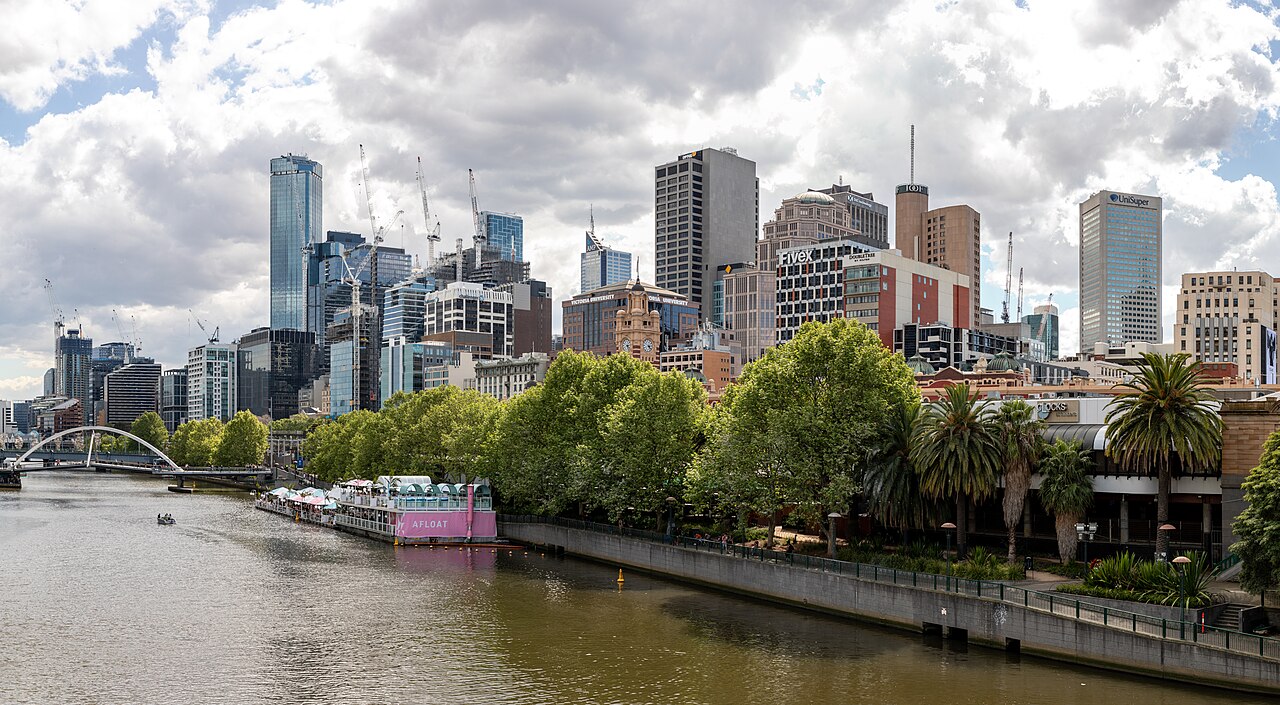
Australia’s lowest-paid workers will receive a 4.75% minimum wage increase starting July 1, 2026, following a decision by the Fair Work Commission (FWC). The wage adjustment comes as the country continues to face elevated inflation and economic uncertainty, with policymakers balancing worker incomes against broader economic risks.
Under the new ruling, Australia’s national minimum wage will increase to A$1,004.90 per week, equivalent to A$26.44 per hour. The change is expected to benefit around 3 million workers across the country.
The decision falls short of the 5% to 6% wage increases requested by trade unions, which argued that stronger pay growth was necessary to offset rising living costs. However, the Fair Work Commission said current economic conditions made a larger increase difficult to justify.
In its statement, the commission highlighted concerns about slowing economic activity and ongoing inflationary pressures. It noted that the Reserve Bank of Australia’s tighter monetary policy is likely to weigh on economic growth in the coming year. The commission also pointed to higher global energy costs, partly driven by disruptions to oil supplies linked to the Iran conflict, as a factor contributing to inflation.
The FWC acknowledged that the wage increase would not provide a significant real wage gain for workers. Instead, the objective was to ensure employees do not lose purchasing power compared with July 2025 levels while offering additional support to the nation’s lowest-paid workers.
Australia’s consumer price inflation rate reached 4.1% in the first quarter and is forecast to rise to 4.8% in the June quarter, remaining well above the Reserve Bank of Australia’s target range of 2% to 3%.
The RBA has raised interest rates three times this year, lifting the cash rate to 4.35% as it seeks to contain inflation. Recent economic indicators suggest higher borrowing costs are cooling demand, with household spending declining in April, property prices stabilizing, and unemployment gradually increasing.
Financial markets currently see only a small probability of another RBA rate hike next month. Interest-rate swaps indicate roughly a 6% chance of further tightening, with expectations for less than one additional quarter-point increase over the remainder of 2026.
The latest minimum wage decision reflects Australia’s effort to protect low-income workers while navigating persistent inflation, slowing consumer demand, and an uncertain economic outlook.