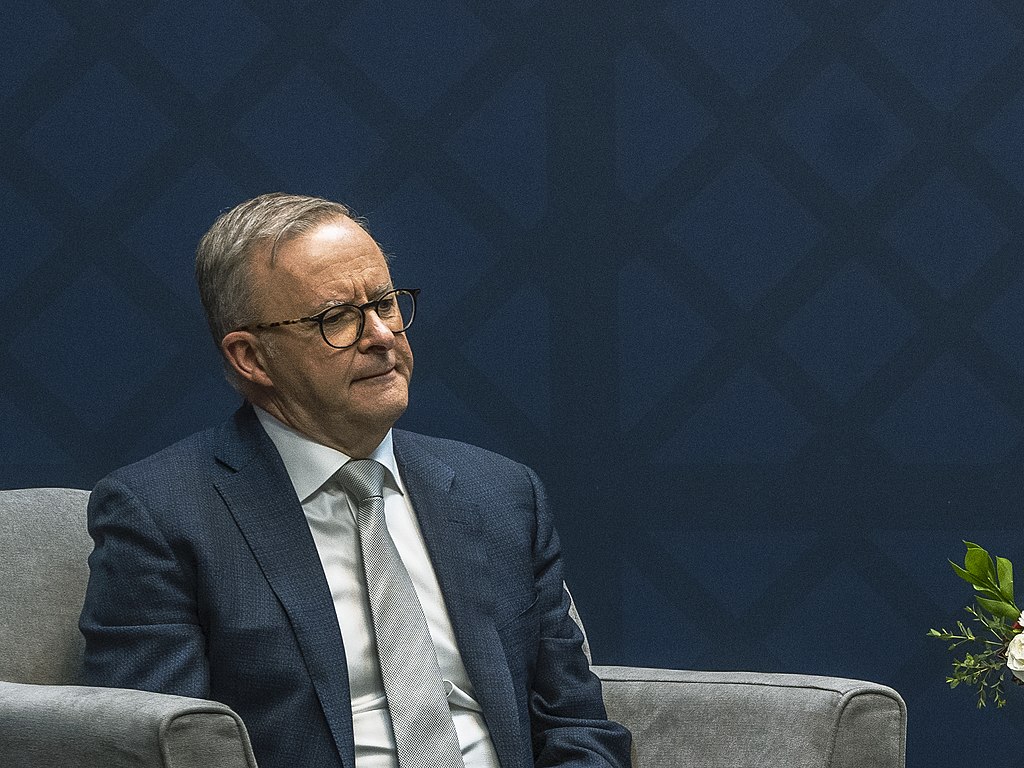
Australia will not ease its strict biosecurity rules during tariff negotiations with the United States, Prime Minister Anthony Albanese said on Friday. The statement comes ahead of a possible meeting with U.S. President Donald Trump at the upcoming G7 summit.
Since 2003, Australia has restricted U.S. beef imports due to concerns over bovine spongiform encephalopathy (BSE), or mad cow disease. Despite these restrictions, the U.S. remains Australia's largest beef export market, valued at A$4.4 billion ($2.9 billion) in 2024—a trade imbalance Trump has criticized.
Albanese stressed that biosecurity measures are non-negotiable. “We will not change or compromise biosecurity, full stop,” he told ABC Radio, emphasizing the importance of protecting Australia’s disease-free cattle industry and its valuable export access to markets like Japan and South Korea.
Currently, Australia only permits beef from cattle born, raised, and slaughtered in the U.S.—a requirement few suppliers meet due to cross-border cattle movement with Mexico and Canada. A report from the Sydney Morning Herald suggested Australia was reviewing this rule under U.S. pressure, but Albanese denied any such concessions were being considered, citing continued risks to domestic agriculture.
The National Farmers’ Federation supported Albanese’s stance, calling biosecurity essential to sustainable agriculture. Meanwhile, livestock analyst Simon Quilty noted that the U.S. is improving animal traceability systems, potentially reducing biosecurity risks. However, he also pointed out that high U.S. cattle prices and reduced herd numbers make large-scale beef exports to Australia unlikely.
With Australia’s total beef exports reaching A$14 billion ($9 billion) in 2024, officials continue to highlight the nation’s trade surplus with the U.S. as a counterpoint to tariff demands. Albanese confirmed constructive discussions with Trump and expressed interest in an in-person meeting soon.