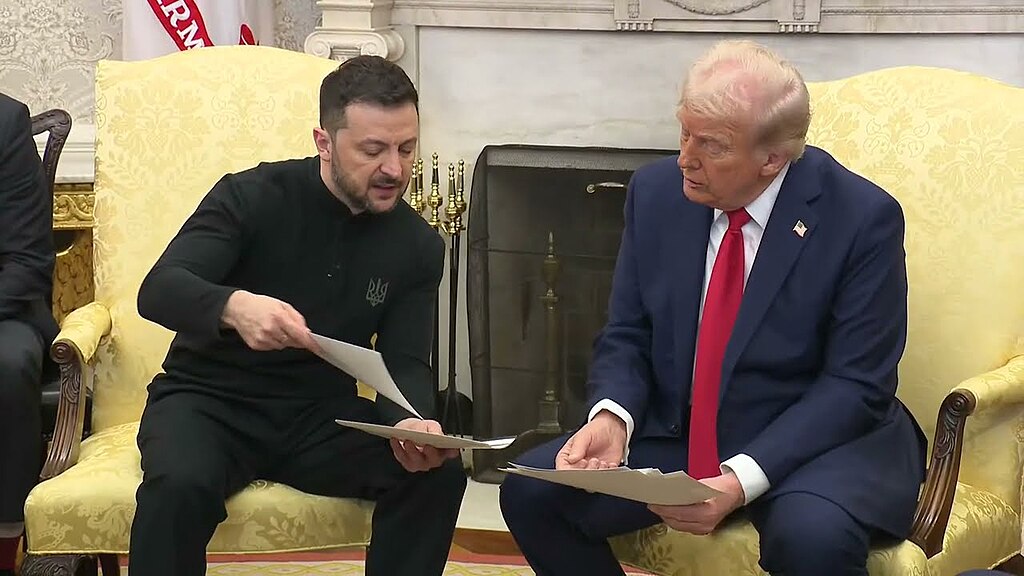
The United States is pressing Ukraine and Russia to reach an agreement to end the war before the start of summer, Ukrainian President Volodymyr Zelenskiy said following two days of U.S.-brokered talks held in Abu Dhabi. Speaking to reporters on Saturday, Zelenskiy confirmed that Washington has proposed another round of negotiations in Miami within a week, an offer Kyiv has already accepted.
According to Zelenskiy, the U.S. is keen to accelerate progress toward a deal, likely driven by domestic political considerations ahead of the November U.S. midterm elections. He noted that American officials are aiming to finalize key agreements by June and are expected to increase pressure on both sides to meet that timeline. Reuters previously reported that U.S. and Ukrainian negotiators discussed pathways to secure a rapid settlement, though Zelenskiy did not disclose details of Ukraine’s proposed sequencing plan.
The Abu Dhabi talks did not produce a major breakthrough, but both sides agreed to exchange 157 prisoners of war each, resuming swaps after a five-month pause. Zelenskiy said these exchanges would continue as part of confidence-building measures. He also emphasized that effective security guarantees remain essential for achieving lasting peace, calling them a cornerstone of any future agreement.
Zelenskiy sharply criticized Russia over renewed attacks on Ukrainian energy infrastructure, accusing Moscow of exploiting winter conditions to pressure civilians. He said Ukraine is prepared to halt strikes on Russian oil and energy facilities if Russia agrees to a mutual ceasefire covering such targets. While U.S. President Donald Trump stated that Russian President Vladimir Putin had agreed to a one-week ceasefire, Russia resumed heavy attacks on February 3, launching hundreds of drones and dozens of missiles at Ukraine’s power grid.
Military teams from both sides have discussed technical mechanisms to monitor a potential ceasefire, as well as economic cooperation plans focused on Ukraine’s postwar recovery. Zelenskiy also said Ukraine and Russia remain deeply divided on territorial issues, particularly in the Donetsk region, underscoring the complexity of reaching a comprehensive peace deal despite intensified diplomatic efforts.