


 How to create a thriving forest, not box-checking ‘tree cover’
  Apple Supplier Luxshare Sees Limited Impact From US Patent Probe
  GesiaPlatform Launches Carbon-Neutral Lifestyle App ‘Net Zero Heroes’
  Gold Prices Fall as Fed Signals Another Rate Hike
  Moscow Exchange to Launch Crypto Trading on December 1
  Stellar Overtakes Ethereum in RWA Fund Inflows as XRP Leads Commodities
  Burkina Faso and Mali’s fabulous flora: new plant life record released
  Trump Secures Russian Diesel Deal as US Fuel Prices Surge
  Oil Prices Rise as Gulf Hurricane and Middle East Supply Risks Mount
  Iran Refuses to Halt Uranium Enrichment Amid US Nuclear Demands
  Zcash Plans Quantum-Resistant Security Upgrade for January
  US Dollar Hits 18-Month High as Fed Signals More Rate Hikes
  Uber Exits Four African Markets Amid Rising Competition
  OpenAI Annualized Revenue Hits $50 Billion, Below Earlier Estimates


 Add as a preferred source on Google
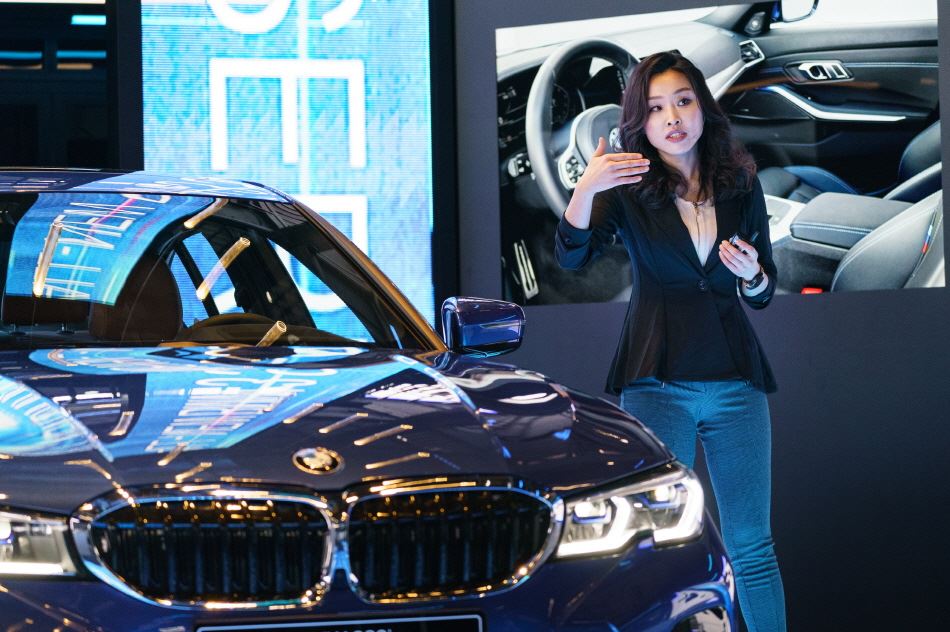
BMW Group Korea and South Korea’s state power firm Korea Electric Power Corp. (KEPCO) will jointly develop a next-generation “plug-and-charge” electric vehicle (EV) charging service.
By simply connecting a charging connection to the EV, which then immediately detects vehicle information, the plug-and-charge service provides for one-stop processing of user identification and payment.
For EV charging, drivers will no longer be necessary to scan cards, streamlining the process through contactless authorization and payment.
BMW Korea intends to complete the demonstration of a plug-and-charge service between KEPCO EV charging stations and BMW EVs by obtaining from KEPCO an electronic certificate based on public key infrastructure (PKI) and prepared under international standards on secure communication.
BMW's complete electric vehicles, which will be available in the country next year, will come with KEPCO's electronic credentials, allowing them to use the plug-and-charge service.
Both sides also intend to collaborate on the development of vehicle-to-grid technology, which allows for the use of excess electricity by connecting EVs to the power grid.







