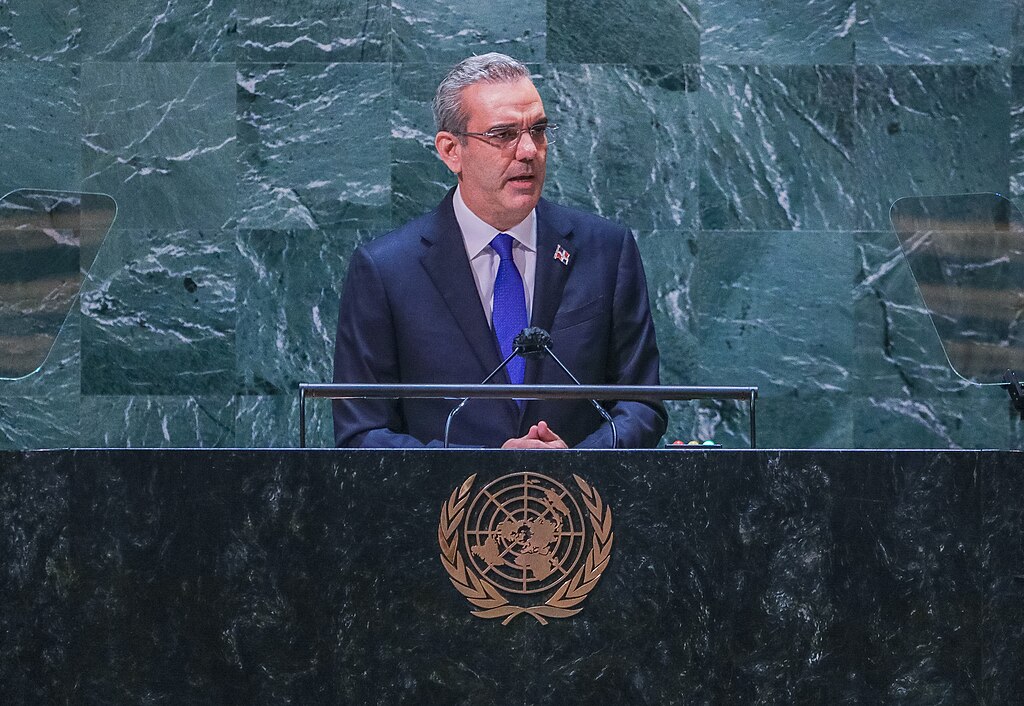
The Dominican Republic has announced the discovery of significant rare earth deposits that could position the Caribbean nation as a key future supplier of critical minerals for high-tech industries. President Luis Abinader revealed that preliminary geological studies estimate gross deposits exceeding 150 million tons of rare earth elements, a group of 17 essential metals widely used in semiconductors, aerospace technology, renewable energy systems, and military equipment.
Speaking during his annual State of the Nation address to Congress, Abinader outlined plans to complete a comprehensive assessment of the mineral reserves by the end of this year. The government aims to certify commercially viable reserves by early next year, a crucial step before launching large-scale extraction and refining operations. While the total estimated deposits are substantial, authorities have not yet confirmed how much of the 150 million tons can be economically developed.
The rare earth deposits are located in the border province of Pedernales, an area expected to play a strategic role in the country’s long-term economic transformation. The president linked the project to a broader national strategy focused on energy transition, sustainable mining, and the responsible use of natural resources. According to Abinader, developing these critical minerals will strengthen national sovereignty, reduce external dependence, lower carbon emissions, and enhance global competitiveness.
The United States has expressed strong interest in supporting the Dominican Republic’s rare earth sector. U.S. Secretary of State Marco Rubio previously emphasized the global importance of securing access to rare earth minerals for next-generation technologies. He noted that the resources belong to the Dominican people and offered U.S. partnership in their responsible development.
As global demand for rare earth elements continues to rise, the Dominican Republic’s emerging role in the critical minerals market could significantly reshape the Caribbean nation’s economic future.