


 Australia Consumer Confidence Plunges as RBA Rate Hike Hits Households
  Europe EV Sales Hit Record as Affordable Models Boost Demand
  Trump Opens Tax-Exempt Dyed Diesel Access as Fuel Prices Surge
  OPEC+ Keeps November Oil Output Targets Steady
  Oil Prices Fall as Middle East Exports Recover, G7 Eases Supply Fears
  US Stock Futures Rise as Weak Jobs Data Eases Fed Hike Bets
  ECB May Stop Rate Hikes After December, Capital Economics Says
  Trump Plans Diesel Tax Relief as Fuel Prices Hit Record Highs
  Asian Stocks Rise as Nasdaq Record Offsets Bond Yield Pressure
  Trump Demands Powell Resign Over Fed Renovation Cost Overruns
  BOJ Set for Rate Hike as Inflation and Yen Pressure Mount
  Fed Unveils Stablecoin Rules Under GENIUS Act
  World Bank Raises South Asia Growth Forecast to 6.9%
  India-US Trade Deal Talks Hit Plateau, Sitharaman Says


 Add as a preferred source on Google
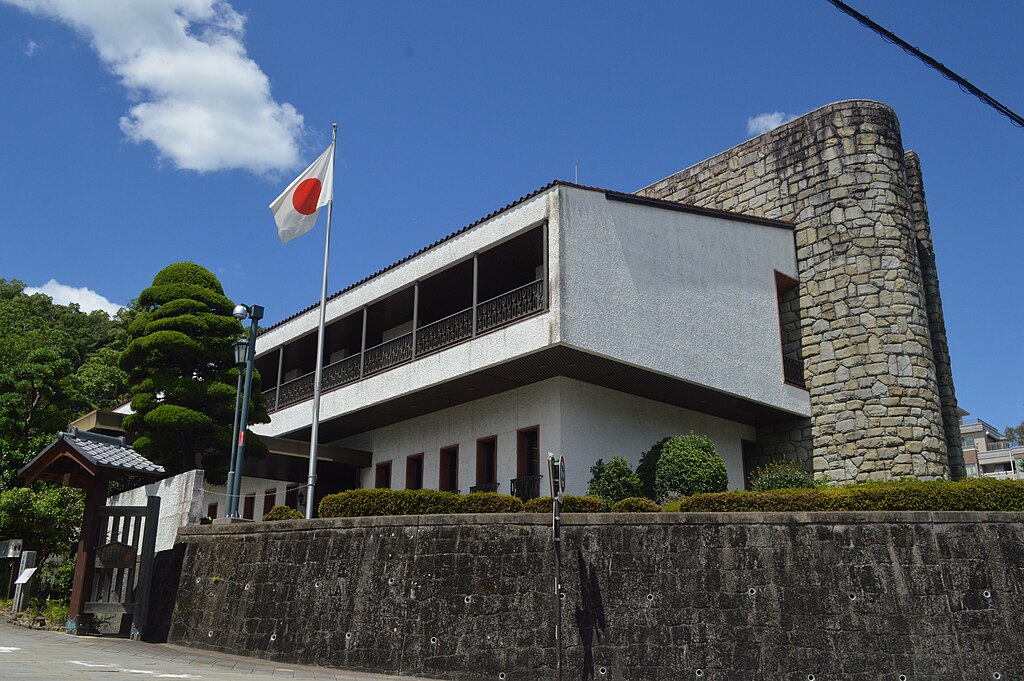
The Bank of Japan (BOJ) is widely expected to keep its benchmark interest rate unchanged at 1% when its two-day policy meeting concludes on Friday. However, investors will closely watch Governor Kazuo Ueda’s comments and the central bank’s quarterly outlook report for clues on the timing of future interest rate hikes.
Despite holding rates steady after June’s increase, the BOJ is expected to maintain a hawkish tone as Japan faces persistent inflation pressures driven by the Middle East conflict, a weak yen, and strong global demand tied to artificial intelligence. Policymakers are also monitoring whether higher producer costs, fueled by energy prices and import expenses, will spread more broadly across the economy.
Analysts believe the BOJ will continue warning that inflation risks remain tilted to the upside while avoiding firm guidance on the timing of additional tightening. Mitsubishi UFJ Morgan Stanley Securities expects the next rate hike in December, though stronger inflation or further yen weakness could accelerate the move to September or October.
The central bank’s updated economic projections are expected to show improved growth for fiscal 2026 as concerns over a prolonged Middle East conflict ease. Reuters previously reported that the BOJ is likely to raise its growth forecast while slightly lowering its inflation outlook due to government subsidies and softer oil prices compared with April. Still, inflation is expected to remain elevated as businesses continue planning price increases for food and everyday goods.
Markets are also paying close attention to Ueda’s post-meeting briefing for any indication of how aggressively the BOJ may tighten policy. A recent summary of the June meeting showed several policymakers favoring faster rate increases to move borrowing costs closer to a neutral level.
The outlook remains complicated by Japan’s weak yen, which recently touched a 40-year low against the U.S. dollar, increasing import costs and inflationary pressure. Meanwhile, Prime Minister Sanae Takaichi’s administration has emphasized supporting economic growth, creating a delicate balance between monetary tightening and fiscal policy.
According to a Reuters poll, economists expect the BOJ to raise interest rates to 1.25% by the end of December, with October remaining a possibility if inflation continues to strengthen.







