


 China Shuts 670 Banks as Bitcoin Eyes Financial Risks
  US Stock Futures Rise as Weak Jobs Data Eases Fed Hike Bets
  European Stocks Diverge as French Fiscal Crisis Hits CAC 40
  OPEC+ Expected to Hold November Oil Output Quotas Steady
  Oil Prices Fall as Middle East Exports Recover, G7 Eases Supply Fears
  Trump Plans Diesel Tax Relief as Fuel Prices Hit Record Highs
  Asian Stocks Rally as Soft US Jobs Data Boosts Tech
  Hong Kong Stocks Slip as Property, Financial Shares Weigh
  Nasdaq Hits Record High as Tech Stocks Lift Wall Street
  Gold Prices Rise as Weak US Jobs Data Cuts Fed Hike Bets
  OPEC+ Keeps November Oil Output Targets Steady
  Australia Consumer Confidence Plunges as RBA Rate Hike Hits Households
  Asian Stocks Rise as Fed Rate Hike Bets Fade
  Euro Hits 17-Month Low as France Debt Fears Boost Dollar
  Thailand Plans Dual-Class Shares to Revive IPO Market
  Oil Prices Fall as G7 Reserve Release Eases Supply Fears


 Add as a preferred source on Google
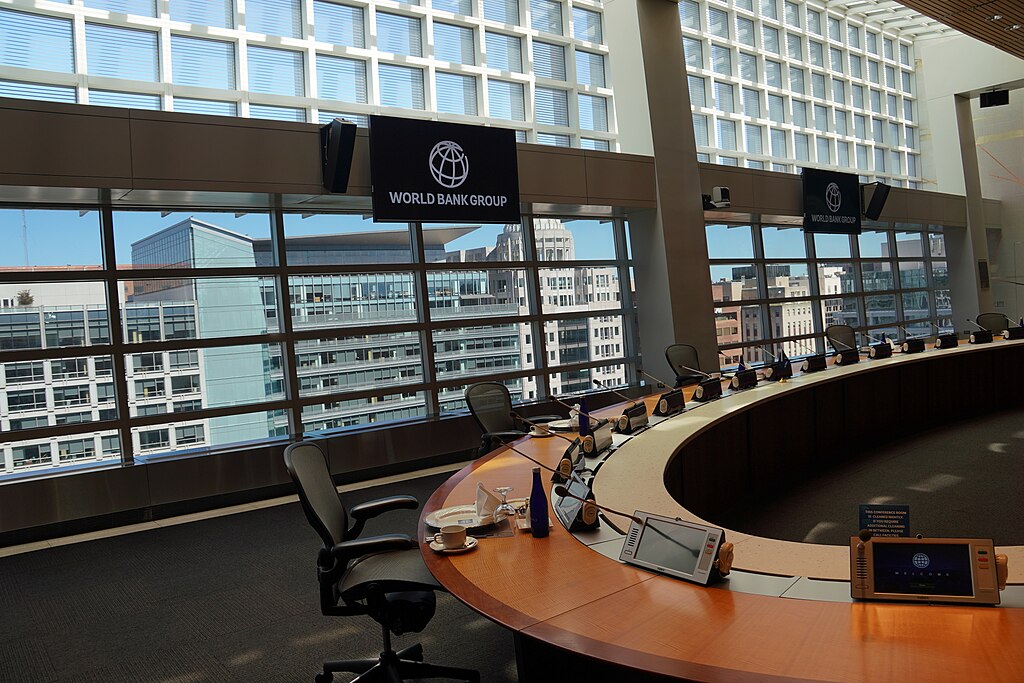
The World Bank has raised its 2026 economic growth forecast for South Asia, citing resilient consumer demand despite elevated energy prices, while warning that oil costs, extreme weather and a global market correction remain major risks.
South Asia is now expected to expand 6.9% in 2026, 60 basis points above the World Bank’s previous forecast and 10 basis points higher than its estimate a year earlier. The upgrade reflects stronger-than-expected consumption despite disruptions caused by the US-Israeli war on Iran.
World Bank Chief Asia Economist Franziska Ohnsorge said government measures protecting consumers, strong remittance inflows and resilient domestic demand have helped cushion the impact of higher energy prices across the import-dependent region.
India, South Asia’s largest economy, is forecast to grow 7.1% in fiscal 2026/27, compared with the World Bank’s June projection of 6.6%. However, that would represent a significant slowdown from the 8.6% growth recorded in 2025/26.
Inflation remains a key concern. Ohnsorge said price pressures are expected to stay elevated into 2027, although their full impact on economic activity could take time to emerge. In emerging markets, she said, the typical lag between inflationary shocks and their effects on growth is around 18 months.
India’s central bank expects inflation to average 5% during the current financial year. A majority of economists surveyed by Reuters expect policymakers to raise interest rates by 25 basis points on October 7, marking the first increase since 2023, with another hike potentially following in December.
Weather also presents a downside risk. A strong El Niño could hurt Indian agriculture, rural consumption and food prices. India last experienced El Niño conditions in 2023, when monsoon rainfall reached 95% of the long-period average.
For longer-term growth, the World Bank encouraged South Asian economies to accelerate artificial intelligence adoption. About 23% of Indian firms currently report using AI, compared with 43% of US companies, highlighting both the region’s technology gap and its potential for further expansion.







