


 RBA Hikes Interest Rate to 4.60% as Inflation Risks Rise
  RBI Raises Repo Rate to 5.50% in Hawkish Shift on Inflation Risks
  BOJ Signals Faster Rate Hikes as Inflation Risks Grow
  Fed Minutes Signal Another Rate Hike by Year-End
  ECB May Stop Rate Hikes After December, Capital Economics Says
  RBA Says ASX Still Falls Short on Governance and Risk Controls


 Add as a preferred source on Google
The BOJ has kept policy settings unchanged since October when the central bank last expanded its Qualitative and Quantitative Easing (QQE) program, which currently has the monetary base expanding at a rate of around ¥80 trillion per year.
The aim of the program is to accelerate inflation to the bank's 2% target by increasing expectations of inflation, encouraging consumers to spend, businesses to invest, and firms to pay higher wages.
The latest inflation figures show Japan's core CPI rising only 0.1% year-on-year in June, and Tokyo's more timely inflation index sliding 0.1% in July.
On Friday the bank said inflation is likely to remain at current levels for the time being, while the bank's most recent economic forecasts - given on July 15 - have inflation coming close to the 2% target by fiscal 2016.
Looking ahead, markets now await fresh cues from BOJ Governor Kuroda's press conference ahead of Europe open while the main focus still remain the US payrolls due later in the New York session.

- News

- Economy

- Central Banks
- Investing
- Research
- Roundups
- Digital Currency
- Insights
- Technical Analysis
- Technology
- Business
- Law
- Health
- Nature
- Fintech
- Science
- Topic
- Opinions
- ©Econometrics LLC . All Rights Reserved.
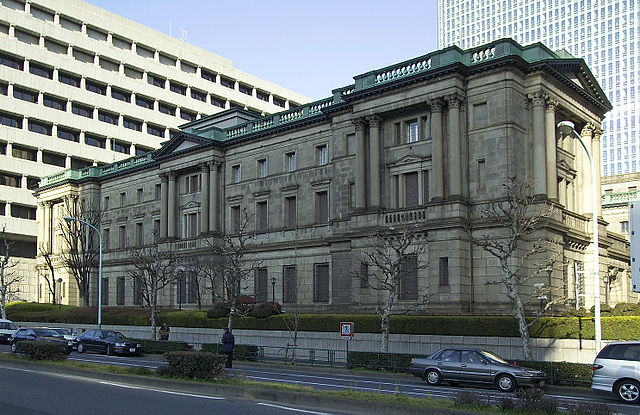
BOJ leaves policy unchanged despite Zero Inflation
Friday, August 7, 2015 4:04 AM UTC
Editor's Picks



- Market Data
Most Popular




