


 U.S. Stock Futures Fall as Iran, Oil and AI Risks Rattle Markets
  Asian Stocks Fall as Bond Yields and Oil Prices Surge
  Asian Stocks Fall as Oil Surge, Bond Yields and AI Concerns Hit Markets
  Fed’s Williams Signals One More Rate Hike Before Year-End
  RBA Set for September Rate Hike as Inflation Stays High
  UK Housebuilder Stocks Surge on New First-Time Buyer Loan Scheme
  China, US Extend Trade Truce Through January 10 After Trump-Xi Summit
  Japan Warns Markets Over Yen Weakness
  Oil Prices Jump Nearly 3% as Iran Holds Firm on Hormuz Conditions
  Europe’s AI Data Centre Boom Strengthens Case for Nuclear Power
  BOJ Set for Rate Hike as Inflation and Yen Pressure Mount
  US Dollar Hits Two-Month High as Aussie, Pound Slide
  Gold Slides Below $4,300 as Oil Surge Fuels Fed Rate Hike Bets
  South Korea Exports Set for 16th Monthly Gain on AI Chip Demand


 Add as a preferred source on Google
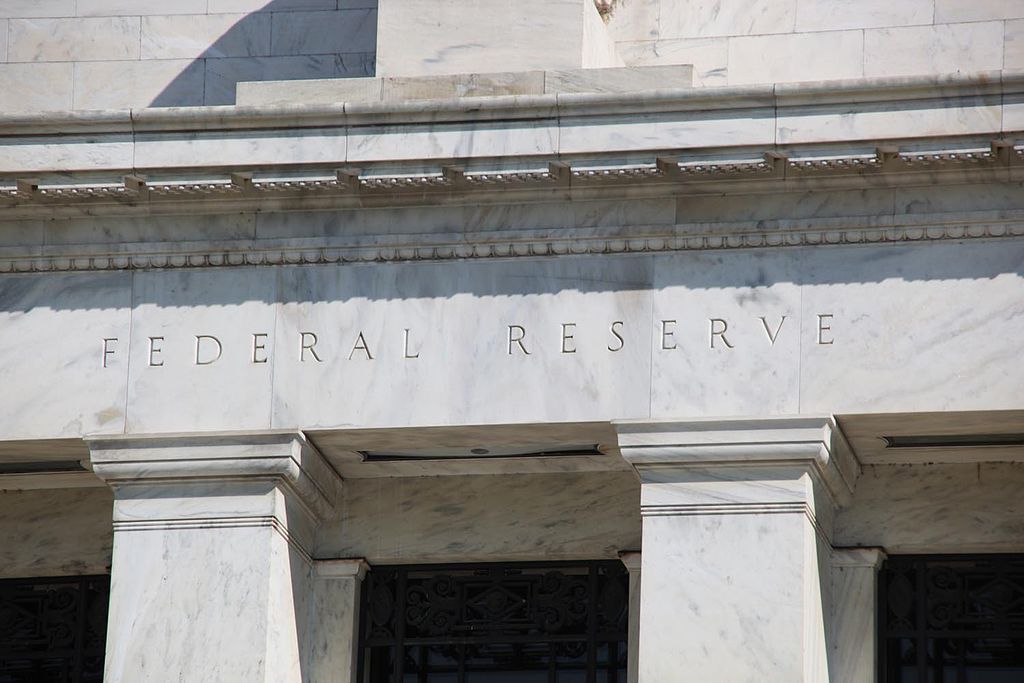
The Federal Reserve has launched a formal inquiry into major U.S. banks and their financial ties to the private credit sector, raising fresh concerns about systemic risk across the $1.8 trillion industry. The move comes as troubled loans rise and investor redemptions surge — fallout largely attributed to global market instability stemming from the ongoing conflict in the Middle East.
Fed examiners are embedding targeted questions into routine bank oversight to assess how much debt private credit funds have sourced from traditional banks. While credit lines typically boost returns in growth periods, regulators now worry they may act as conduits for financial losses during downturns. Simultaneously, the U.S. Treasury Department is scrutinizing the insurance sector, which has quietly become one of the largest drivers of nonbank lending over the past decade.
The urgency behind the probe intensified after retail credit funds experienced a wave of sudden withdrawals. Unlike traditional deposit-backed banks, private credit funds depend on investor capital, making them highly vulnerable to liquidity shifts. Financial Stability Board Chair Andrew Bailey cautioned this week that the sector could face deeper "non-linear" stress as the economic consequences of the Iran conflict continue to ripple through global credit markets.
The inquiry adds tension to the Trump administration's ongoing effort to relax Wall Street lending regulations. While Fed Vice Chair for Supervision Michelle Bowman has advocated for loosening rules to help banks compete with nonbank lenders, the current review signals a parallel focus on identifying and containing concentrated financial risk.
Industry opinion remains split. JPMorgan Chase CEO Jamie Dimon has raised concerns over weak transparency and valuation practices within private credit, though he stopped short of declaring it a systemic threat. With major players like Blackstone and Blue Owl Capital carrying significant leverage, regulators are now pressing to ensure any private portfolio downturn does not leave banks exposed to impaired collateral — a scenario that could have far-reaching consequences for broader financial stability.







