


 PepsiCo Slashes Poppi Earnout Valuation as Growth Slows
  Visa Wins China Approval to Prepare Domestic Payments Expansion
  Hong Kong’s Second Solana ETF Launches With Lower Fees
  Russia Approves Sberbank for Crypto Exchange Services
  Orsted to Take Full Ownership of UK Offshore Wind Farm for £15 Million
  Oracle Uses Trucked Natural Gas to Power AI Data Centers Amid Pipeline Delays
  Apple Supplier Luxshare Sees Limited Impact From US Patent Probe
  Meta Launches Muse Wonder AI Models, Shares Rise 3.7%
  Epic Games Delays Disney Shooter, Shifts to AI-First Development
  Zcash Plans Quantum-Resistant Security Upgrade for January
  Trump Buys Up to $25M in Meta Stock, Invests in SpaceX Debt
  Apple Cuts iPhone 18 Pro Production Orders Amid Weak Demand
  Nvidia’s China AI Chip Market Share Falls to 34% as Huawei Gains Ground
  Canton Network Expands in South Korea With Major Partnerships
  Albertsons Seeks $9.3 Billion From Kroger Over Failed Merger
  Robinhood Chain Eyes Priority Gas Auctions for Faster Trades
  OpenAI Annualized Revenue Hits $50 Billion, Below Earlier Estimates


 Add as a preferred source on Google
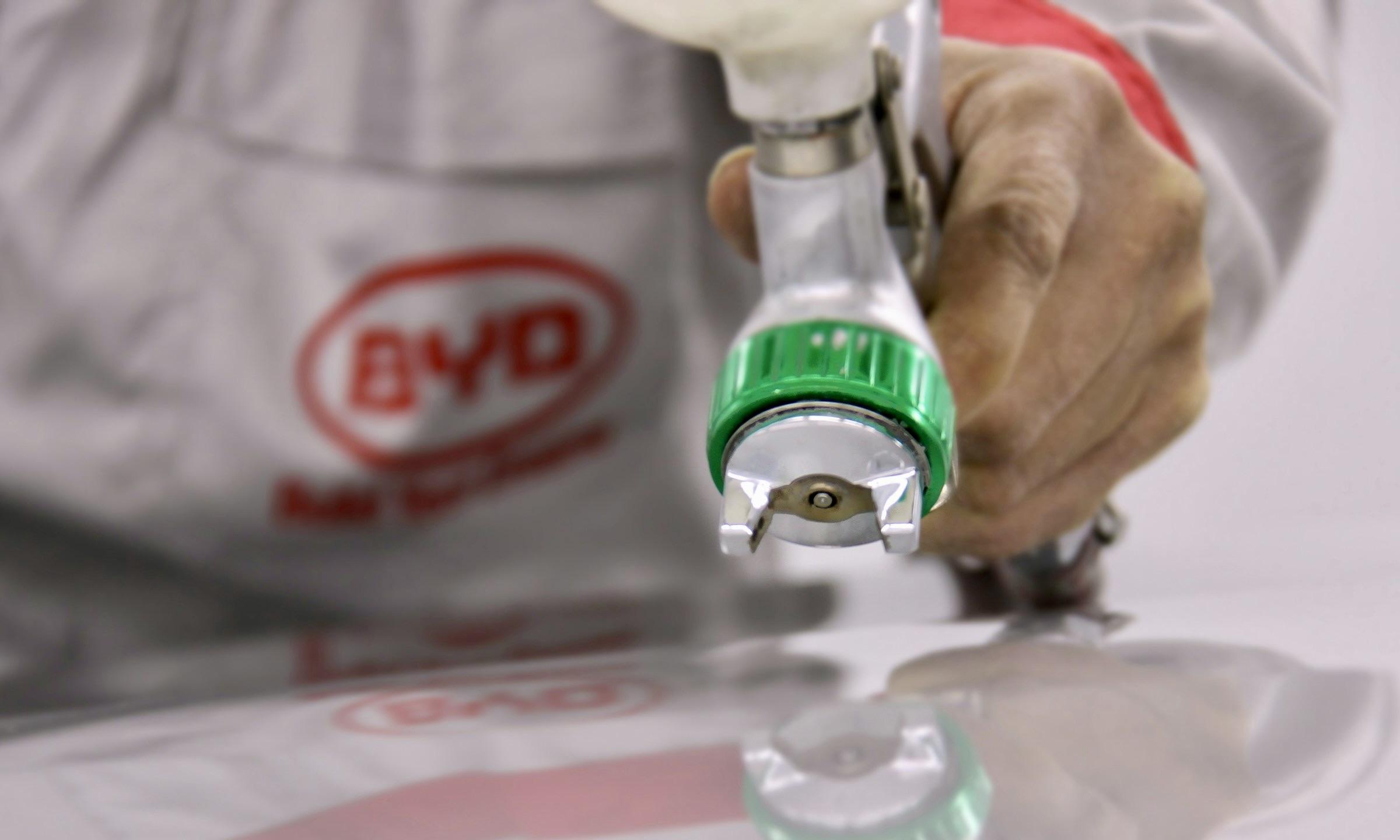
BYD plans to invest $1 billion in an electric vehicle plant in Turkey, pushing forward its global expansion efforts.
BYD's Strategic Move into Turkey's EV Market
BYD is gearing up to construct a huge electric vehicle (EV) factory in Turkey, with plans to invest $1 billion. The announcement follows BYD's first manufacturing opening in Thailand, with further locations planned in Mexico and Brazil as the company pushes into international markets.
Recep Tayyip Erdogan, president of Turkey, is slated to make the official announcement about the accord on Monday. The plant will be constructed in the province of Manisa, and officials there informed Bloomberg that a ceremony will be held there.
BYD Confident Despite EU's New Tariffs on Chinese EVs
Electrek reports that a new round of tariffs imposed by the European Union on Chinese electric vehicle imports may not be a problem for BYD's new factory. The European Union slapped more taxes on Chinese electric vehicles this week, with rates reaching 38.1%.
Even though BYD was a part of it, it was at the bottom with a 17.4% premium. There will be a rate increase of up to 48.1% for competitors like SAIC, who will receive an additional 38.1% in tasks.
With the "EU premium" helping to boost profits on certain EVs in Europe compared to China, BYD is certain it can weather the additional tariffs.
Each Seal U model sold in the EU generates approximately 14,300 euros ($15,360) for BYD, according to research by Rhodium Group. Approximately 1,300 euros ($1,400) comes in from sales in China. The study acknowledges that a tariff increase of 50% or more would have an effect, but it might have an even greater negative impact on European automakers.
Turkey's Tariff Reductions Open Doors for BYD
Last week, Turkey loosened tariffs in an effort to attract investments, including those from BYD. A substantial opportunity presented itself to the Chinese EV manufacturer in Turkey this past year, as electric cars made up 7.5% of new vehicle sales.
As of Thursday, BYD has opened its first facility in Thailand; now, it is expanding to Turkey with a new electric vehicle plant. Thailand is rapidly transitioning to electric vehicles, with BYD being the country's best-selling brand.
By 2030, Thailand plans to have 30% of its vehicles electrified. Almost half of Thailand's electric vehicle sales are BYDs. With a 9% share, it is also the third biggest passenger automobile brand. However, officials are looking into it because of a recent price reduction of around $10,000.
Additional electric vehicle (EV) assembly plants in Mexico and Brazil will soon be revealed by BYD. With factories in important worldwide markets, BYD aims to speed up its expansion abroad.
Photo: Mohammad Fathollahi/Unsplash







