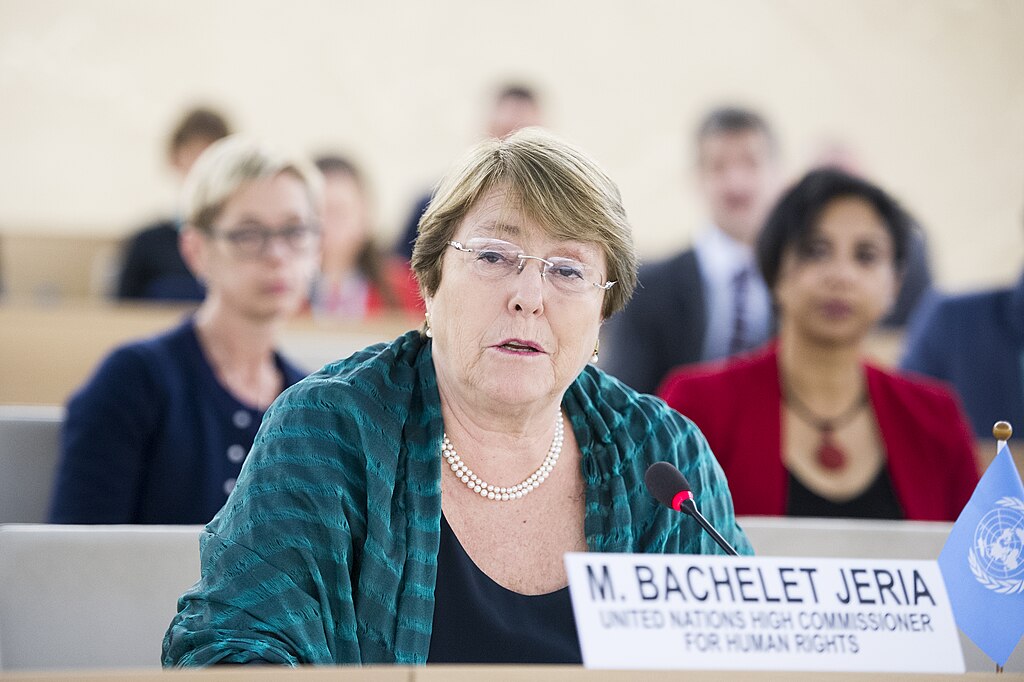
Michelle Bachelet is pressing ahead with her campaign to become the next United Nations Secretary-General, even after Chile's newly elected right-wing government pulled its official support on Tuesday. Backed by Brazil and Mexico, the former Chilean president remains a serious contender to succeed António Guterres when his term ends in 2027.
Chile's Foreign Ministry, under President José Antonio Kast — who was inaugurated on March 11 following a decisive shift to the right — declared Bachelet's candidacy unviable and announced it would abstain from backing any candidate in the selection process. Kast had previously criticized Bachelet's record and argued that his predecessor, leftist Gabriel Boric, was wrong to nominate her in the first place.
Responding to the withdrawal, Bachelet released a statement reaffirming her commitment to the race. "A candidacy at this level is never an easy task, but the values and principles that marked my life lead me to assume this challenge with responsibility and conviction," she said, acknowledging that foreign policy naturally evolves under new administrations.
Bachelet brings a strong multilateral résumé to the race. She made history as Chile's first female president, and later served as UN High Commissioner for Human Rights from 2018 to 2022 and as executive director of UN Women from 2010 to 2013. However, she faces headwinds beyond Chile's withdrawal. Richard Gowan of the International Crisis Group noted that some U.S. Republican politicians have targeted her over her stance on reproductive rights, framing opposition as rooted in domestic political divisions rather than her diplomatic qualifications.
Other leading candidates include Argentina's Rafael Grossi, head of the International Atomic Energy Agency; Costa Rica's Rebeca Grynspan, former UN Trade chief; Virginia Gamba of the Maldives; and Senegal's former president Macky Sall, backed by Burundi.
The UN Security Council — whose five permanent members must reach consensus — will formally recommend a candidate to the General Assembly later this year through a process that includes public hearings and confidential straw polls.