


 OpenAI Annualized Revenue Hits $50 Billion, Below Earlier Estimates
  Airbus Tests Valkyrie Combat Drone in Europe for Eurofighter Integration
  Bumble Shares Surge 50% on $1 Billion Buyout Talks
  Apple Cuts iPhone 18 Pro Production Orders Amid Weak Demand
  Samsung, SK Hynix Shares Fall as China's CXMT Advances DRAM Technology
  Nasdaq Faces Pullback to 26,225 Despite Bullish Outlook, UBS Says
  Most Americans Oppose Election Betting on Prediction Markets, Poll Finds
  Orsted to Take Full Ownership of UK Offshore Wind Farm for £15 Million
  Yandex Data Center Hit by Drone Strike as Russia-Ukraine Cyber Infrastructure Attacks Escalate
  Anthropic Launches Claude Dashboards and Motion AI Tools
  Visa Wins China Approval to Prepare Domestic Payments Expansion
  OpenAI Revenue Hits $50 Billion, Below Earlier $70 Billion Estimate
  Russia Approves Sberbank for Crypto Exchange Services
  Arthur Hayes Announces FLOP Testnet Launch Within Weeks
  Oracle Uses Trucked Natural Gas to Power AI Data Centers Amid Pipeline Delays


 Add as a preferred source on Google
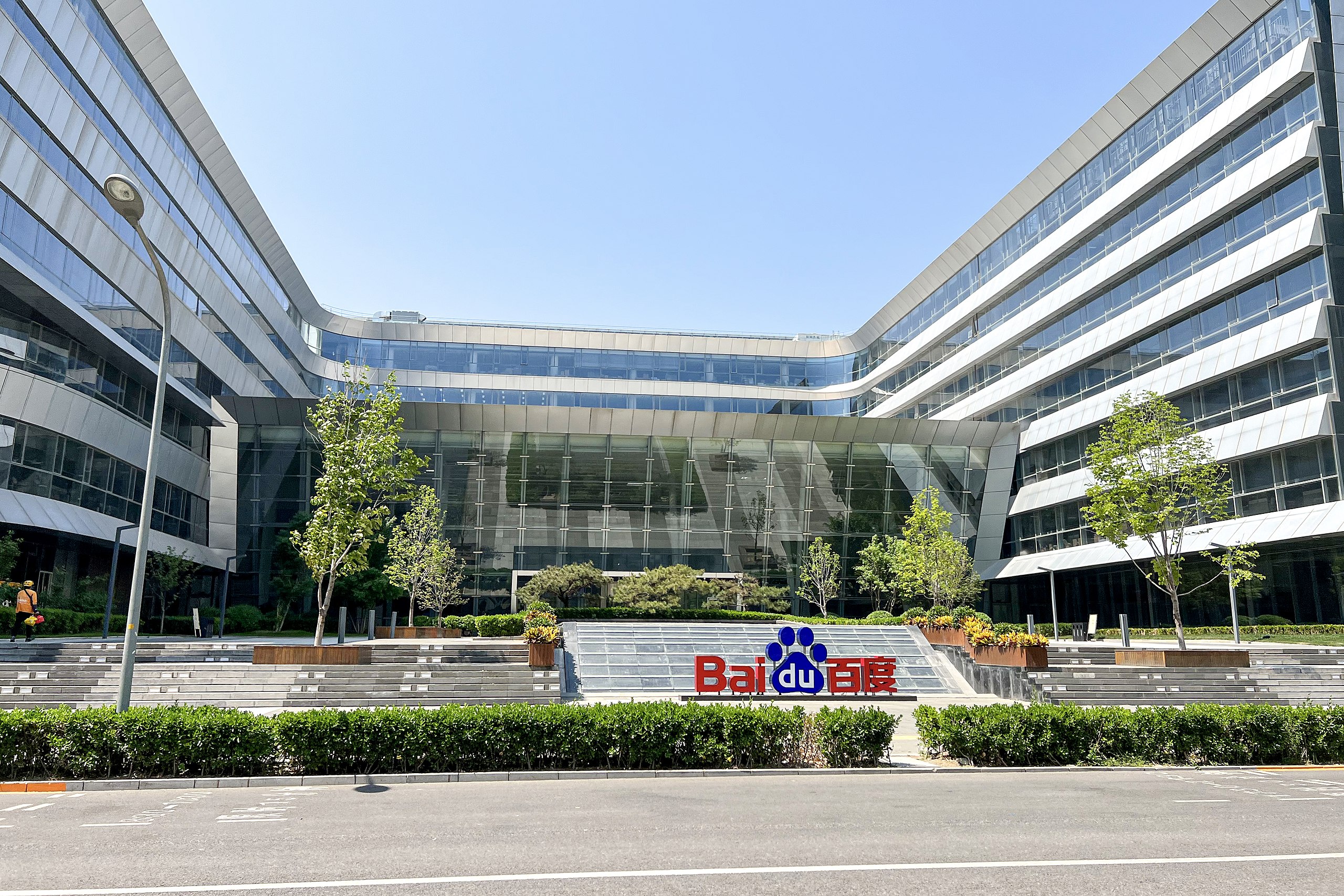
Baidu has reportedly ordered artificial intelligence chips from Huawei to meet the increasing demand for advanced technology solutions. This move comes amidst mounting pressure on Chinese companies following stricter export restrictions imposed by the U.S. government.
Huawei's Ascend AI Chips Gain Acceptance as Alternative to Nvidia
According to sources familiar with the matter, Baidu, one of China's leading AI firms, decided to place the order ahead of the anticipated new rules limiting chip exports to China, including those from Nvidia. Reuters noted that Baidu's decision to procure 1,600 of Huawei Technologies' 910B Ascend AI chips showcases growing acceptance of Huawei's offerings as a substitute for Nvidia's A100 chip.
The sources reveal that the order, valued at approximately 450 million yuan ($61.83 million), is expected to be fulfilled by the end of this year, as per Channel News Asia. Baidu's commitment to incorporating Huawei's 910B Ascend AI chips into their infrastructure demonstrates the growing demand for sophisticated domestic options within China.
This major development in the AI industry signifies Baidu's strategic shift away from relying solely on Nvidia's A100 chip. While Huawei's Ascend chips are seen as currently inferior in terms of performance, Baidu's decision showcases a proactive approach to future-proofing their operations by diversifying their supplier base.
Deepening Collaboration Between Baidu and Huawei
Since 2020, Huawei has been collaborating with Baidu to ensure compatibility between its AI platform and Huawei's hardware. In August, the two companies said they would deepen compatibility between Baidu’s Ernie AI model and Huawei’s Ascend chips.
Baidu has developed its line of Kunlun AI chips, which the company says supports large-scale AI computing, but the company has mainly relied on Nvidia's A100 chip to train its LLM. However, the U.S.-imposed curbs on chip exports have forced Baidu to seek alternative solutions.
Industry analysts predict that the imposed restrictions on Nvidia will provide an opportunity for Huawei to expand its presence in the $7 billion domestic AI market. Baidu's partnership with Huawei highlights the growing confidence in domestic alternatives and reinforces Huawei's emergence as a potential leader in the AI chip ecosystem.








