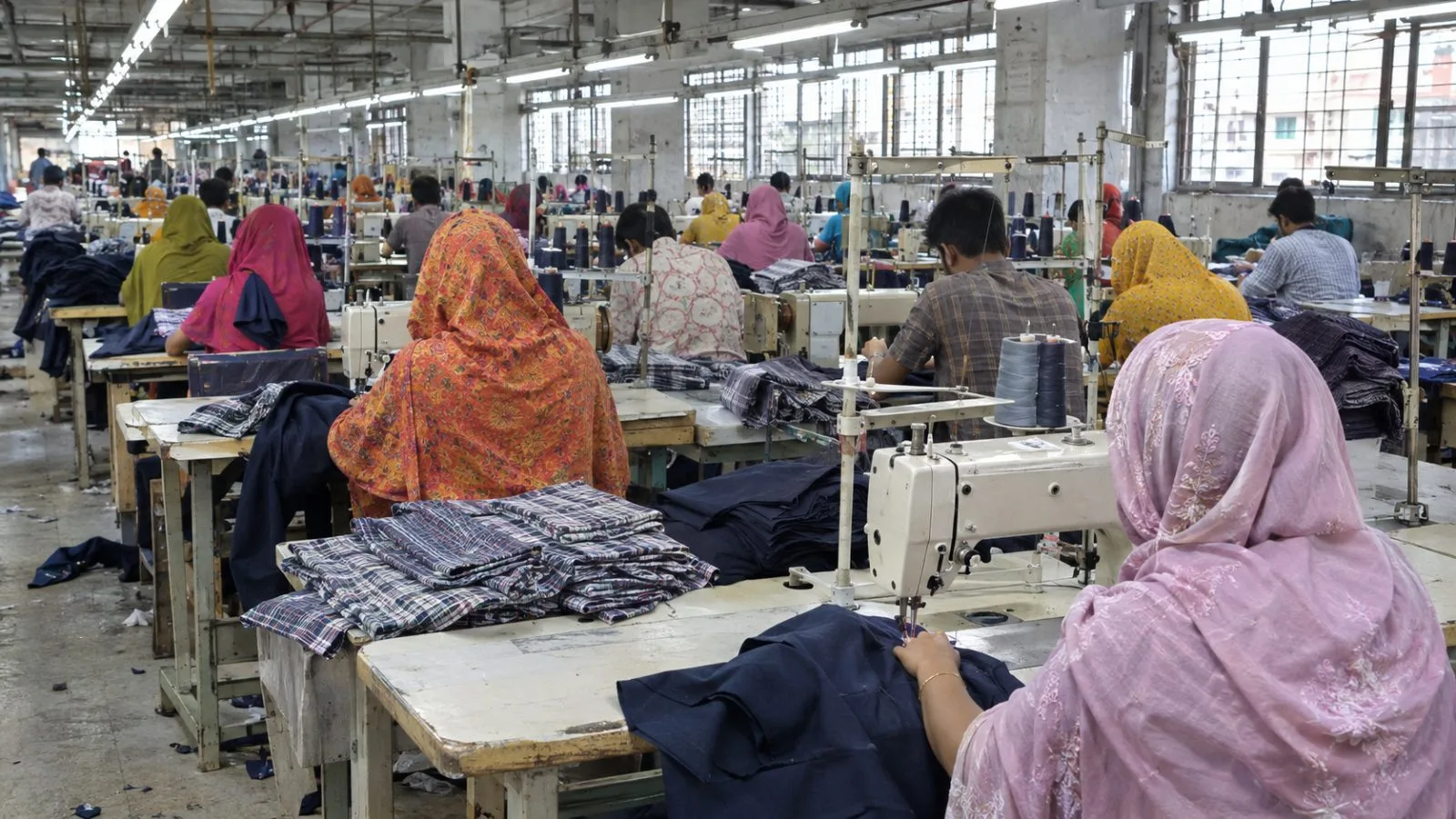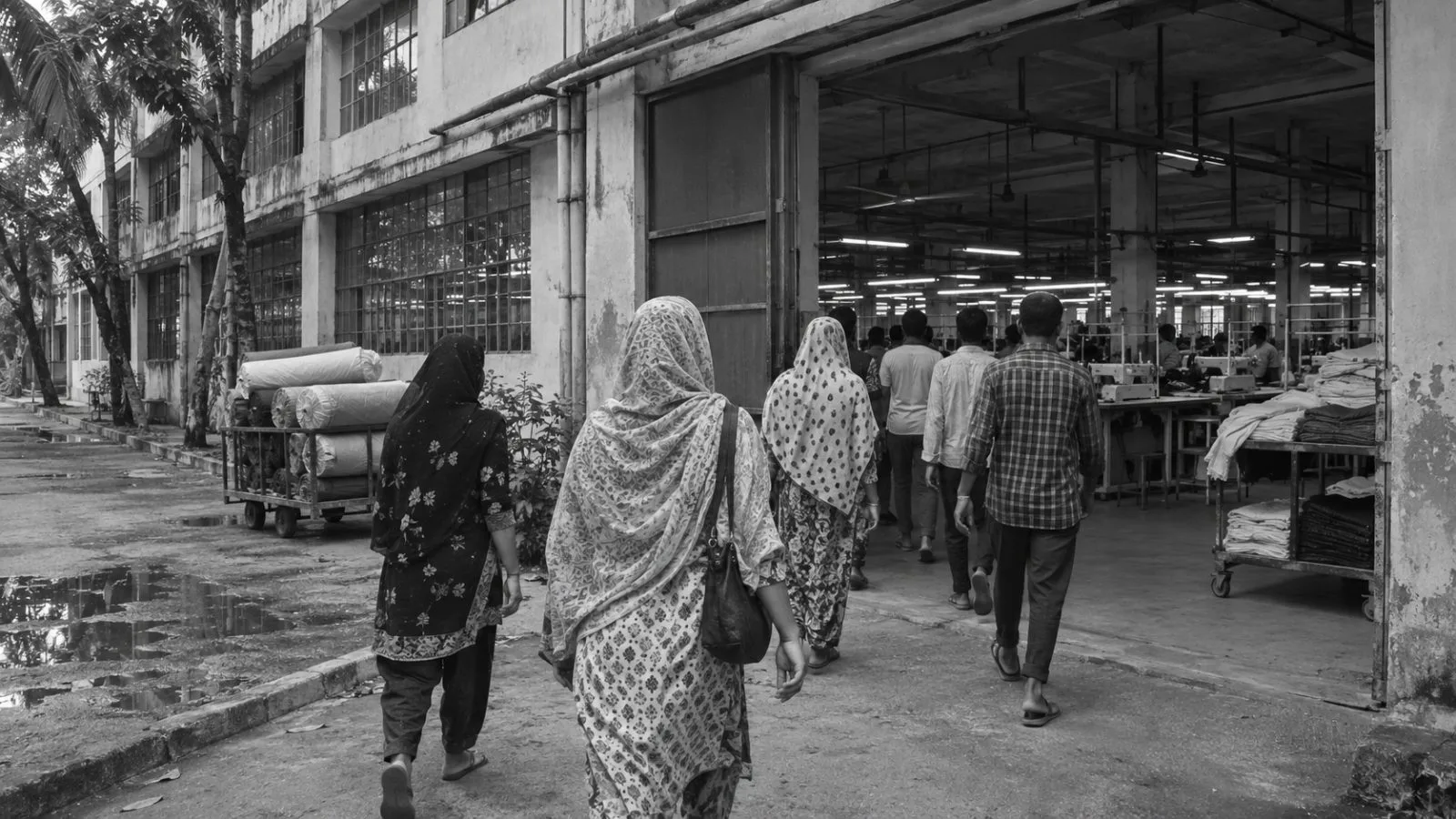
Bangladesh’s garment factories were operating again across much of the country Thursday after the wage board backed an increase in minimum pay, AFP reported, in a sector responsible for roughly 80% of export earnings.
The government set up the panel on Sunday with representatives of employers and workers to negotiate higher pay. It agreed to lift the minimum Wednesday, after several days of wage protests and factory interruptions.
Workers are seeking a monthly minimum of 30,000 taka ($240), 140% above the current 12,500-taka floor. EconoTimes previously reported the board’s agreement to raise garment pay while leaving the amount undecided.
The industry employs more than four million people in Bangladesh, a South Asian country of 170 million. It is the world’s second-largest garment exporter after China, and its factories supply clothing to some of the world’s best-known brands. AFP reported that the sector generates export earnings worth up to $38 billion.
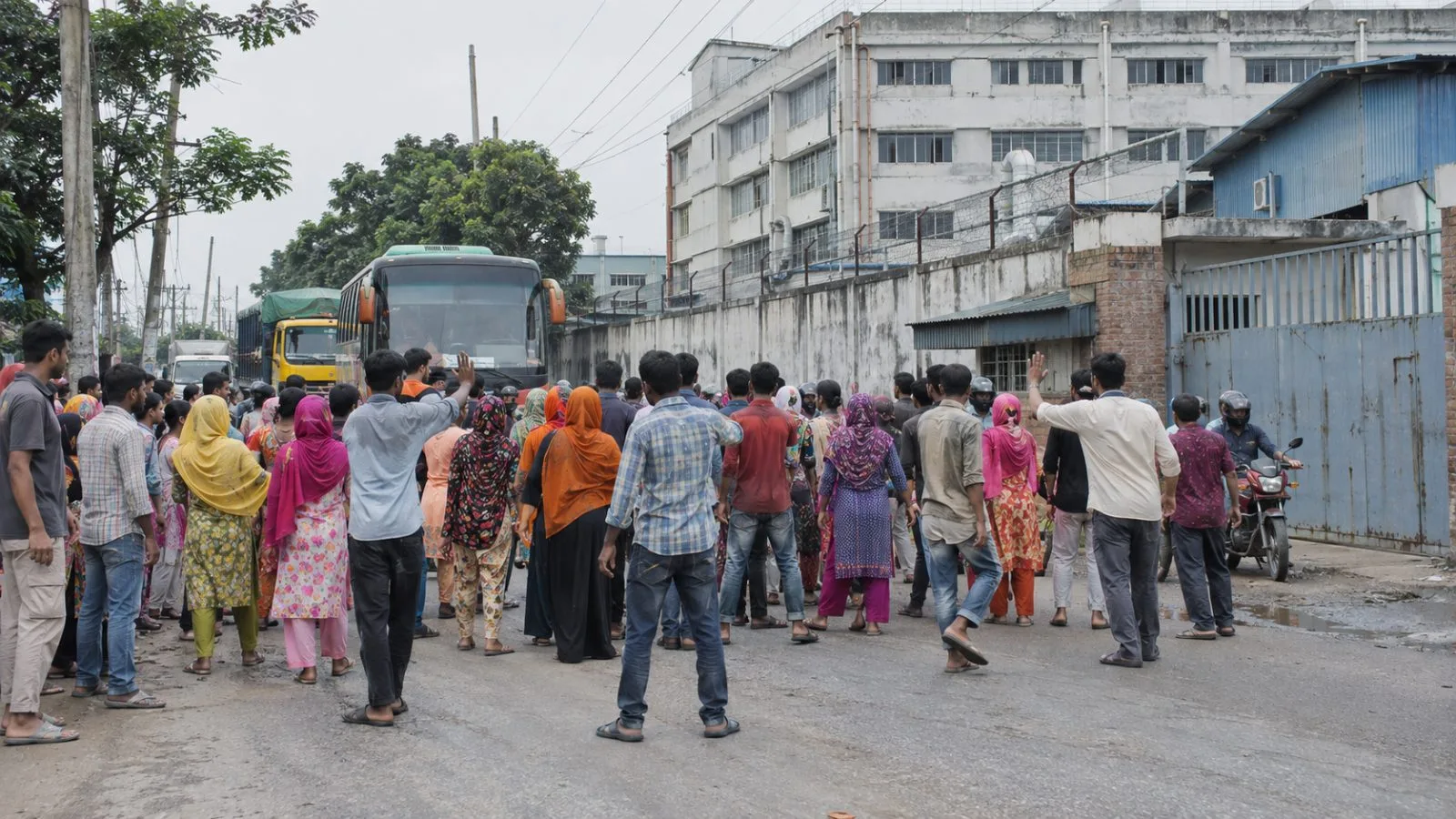
Police official Gazi Jasim Uddin told AFP that more than 95% of garment factories in Narayanganj had resumed operations. AFP separately reported isolated demonstrations in Gazipur and Ashulia. Uddin said workers in Ashulia went to factories but began leaving about an hour later; he also said protesters in Gazipur tried to occupy a highway.
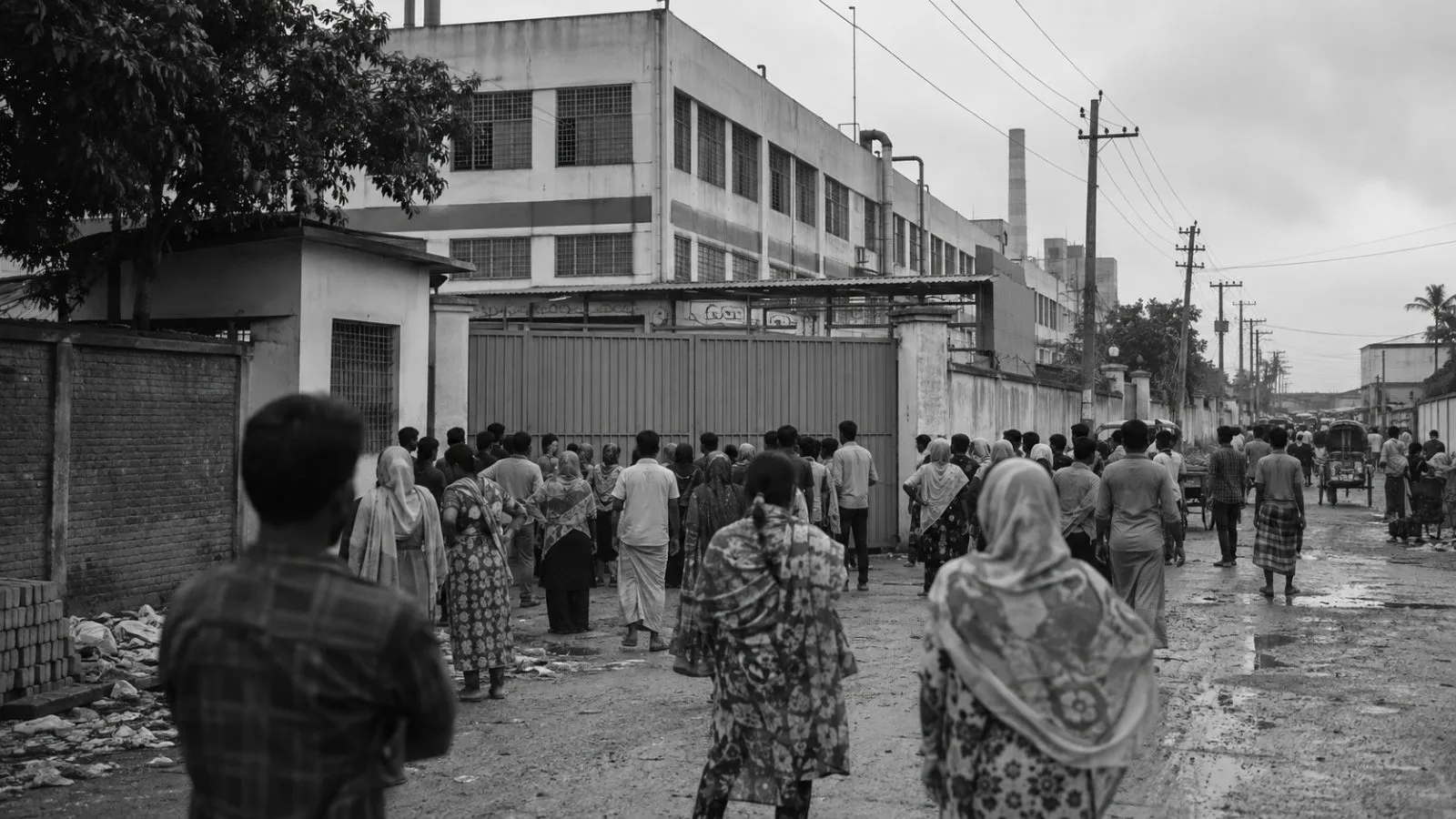
Some factories remained closed. Monowara, a 35-year-old garment worker in Gazipur, told AFP she was ready to return, but her factory had told workers it would stay shut until Sunday. She said police were still patrolling the area.
AFP described the dispute as part of longstanding tensions over pay, working conditions and labor rights. AFP reported that tens of thousands of workers took to industrial districts ahead of Wednesday’s announcement. Some hurled bricks, set police vehicles alight and put up barricades; police used tear gas against the crowds.
The board said it will announce the new minimum in December, with the rate taking effect in January.