


 RBA Hikes Interest Rate to 4.60% as Inflation Risks Rise
  Global Central Banks Brace for More Rate Hikes as Inflation Risks Rise
  Fed Rate Hike Threatens Housing as U.S. Growth Leans on AI, Citi Says
  RBA Set for September Rate Hike as Inflation Stays High
  China Cuts Tariffs on U.S. Farm Goods but Excludes Soybeans
  China Industrial Profit Growth Slows as Weak Demand Offsets AI Gains
  Fed’s Hammack Says Bond Yield Surge Is Not Driven by Inflation Fears
  Gold Plunges 4% as Treasury Yields Surge and Fed Rate Hike Bets Rise
  Asian Currencies Weaken as Dollar, Oil Prices Rise
  Asian Currencies Mixed as Yen Weakens, RBA Hike Looms
  BOJ Set for Rate Hike as Inflation and Yen Pressure Mount


 Add as a preferred source on Google
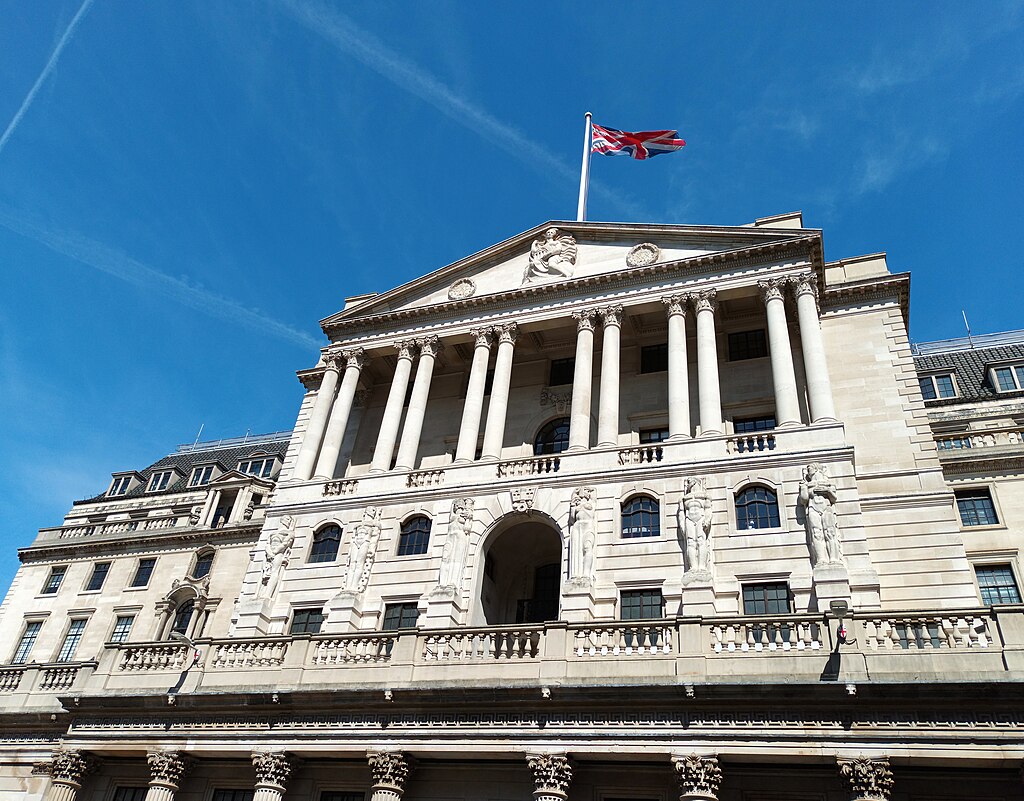
The Bank of England is widely expected to keep its benchmark interest rate unchanged at 3.75% during its February policy meeting, according to a recent Reuters poll of economists. All but two of the 56 economists surveyed anticipate no change, reflecting growing caution among policymakers despite signs of improving economic conditions in the UK.
The Monetary Policy Committee has been closely divided in recent months. At its December meeting, the MPC voted 5-4 in favor of a quarter-point rate cut, highlighting the uncertainty surrounding the outlook for inflation and growth. However, stronger-than-expected private sector activity, resilient retail sales, and inflation moving further away from the Bank’s 2% target have reduced the likelihood of another immediate rate cut.
Inflation in the UK remains the highest among the Group of Seven economies, keeping pressure on the central bank to act carefully. While many economists expect inflation to ease in the coming months, supported by slowing wage growth and a gradual rise in unemployment, most believe there is not yet enough evidence to justify cutting interest rates again. As a result, expectations for a March rate cut have softened, with only about 55% of economists now forecasting a reduction by the end of the first quarter, down from 72% in December.
Some indicators also suggest renewed momentum in the housing market, as uncertainty linked to last November’s budget has faded. This, combined with stronger business confidence, reinforces the case for a wait-and-see approach. Economists such as Deutsche Bank’s Sanjay Raja argue the Bank of England may prefer to skip cutting rates in the first quarter entirely to allow more data to emerge.
Looking ahead, forecasts for economic growth and inflation remain largely unchanged. The UK economy is expected to grow by around 1% this year and 1.4% in 2026, while inflation is projected to average 2.5% in 2025 before easing closer to target in later years. Overall, the outlook suggests gradual progress, but not enough yet to prompt swift monetary easing.







