


 BlackRock’s Rick Rieder Favors Bonds Over Stocks as Treasury Yields Surge
  XRP Price Targets $1.70 as Bullish Momentum Builds
  China Industrial Profit Growth Slows as Weak Demand Offsets AI Gains
  Fed Unveils Stablecoin Rules Under GENIUS Act
  South Korea Exports Set for 16th Monthly Gain on AI Chip Demand
  Australia Budget Deficit Narrows to A$22.3 Billion on Stronger Tax Revenue
  China, US Extend Trade Truce Through January 10 After Trump-Xi Summit
  BOJ Set to Raise Rates to 1.25% as Inflation Risks Build
  Gold Holds Near Seven-Week Low as Fed Rate Hike Bets Rise
  RBA Hikes Interest Rate to 4.60% as Inflation Risks Rise
  US Alcohol Ban Exposes Canada’s Internal Trade Barriers
  Asian Currencies Weaken as Dollar, Oil Prices Rise
  Trump Eyes $54 Billion South Korean Investment in Alaska LNG


 Add as a preferred source on Google
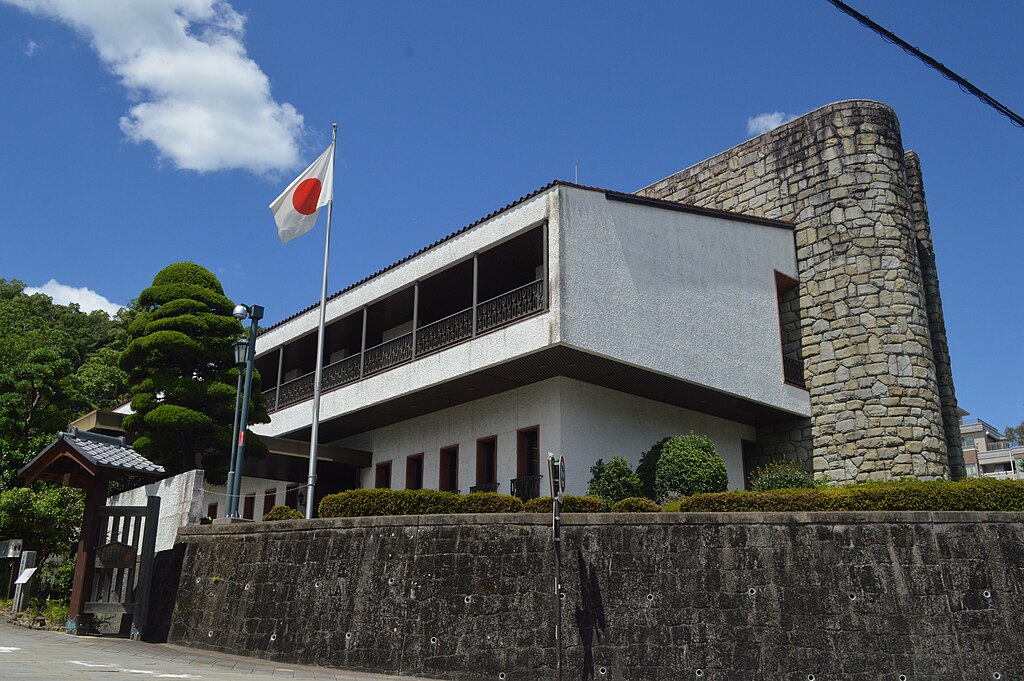
Analysts at ING believe the Bank of Japan (BoJ) could move to raise interest rates as soon as April, even after Japan's consumer price inflation cooled more than expected. February's headline inflation dropped to 1.3% year-on-year, down from 1.5% in January, driven primarily by falling fresh food prices and lower utility costs tied to government subsidy programs.
Despite the softer headline figure, ING analysts argue that the BoJ is unlikely to treat this as a signal to delay policy tightening. The bank's preferred measure — core-core inflation, which strips out volatile food and energy prices — held firm at 2.5% in February, remaining well above the central bank's 2% target. This suggests that demand-driven price pressures continue to build within the Japanese economy, giving policymakers reason to stay on a tightening path.
Wage growth is another key factor supporting the case for a near-term rate hike. Japan's largest labor union coalition reported an average pay increase of 5.26%, a notably strong result that points to sustained consumer spending power and broader inflationary momentum. The BoJ has long emphasized the importance of wage-driven inflation as a condition for sustainable monetary normalization.
On the business activity front, Japan's flash PMI data for March showed some softening, with manufacturing easing to 51.4 and services slipping to 52.8, though both indicators remain comfortably in expansion territory, signaling continued economic growth.
ING concluded that the combination of persistent core inflation, robust wage dynamics, and resilient business conditions makes an April rate hike slightly more probable than a June move. That said, analysts cautioned that global uncertainties — particularly ongoing developments in the Middle East and their potential effects on growth and inflation — could still influence the final timing of the BoJ's next policy decision.







