


 ECB May Stop Rate Hikes After December, Capital Economics Says
  Nvidia China Chip Sales Report Sends Chinese Semiconductor Stocks Lower
  Asian Stocks Fall as Bond Yields and Oil Prices Surge
  Fed’s Williams Signals One More Rate Hike Before Year-End
  U.S. Stock Futures Fall as Iran, Oil and AI Risks Rattle Markets
  BlackRock’s Rick Rieder Favors Bonds Over Stocks as Treasury Yields Surge
  RBI Uses $10 Billion Currency Swaps to Drain Excess Rupee Liquidity
  U.S. Stock Futures Steady as AI, Rate Concerns Weigh
  RBA Set for September Rate Hike as Inflation Stays High
  Oil Surge Pressures Global Stocks as U.S.-Iran Truce Hopes Fade
  Japan Warns Markets Over Yen Weakness
  Asian Currencies Mixed as Yen Weakens, RBA Hike Looms


 Add as a preferred source on Google
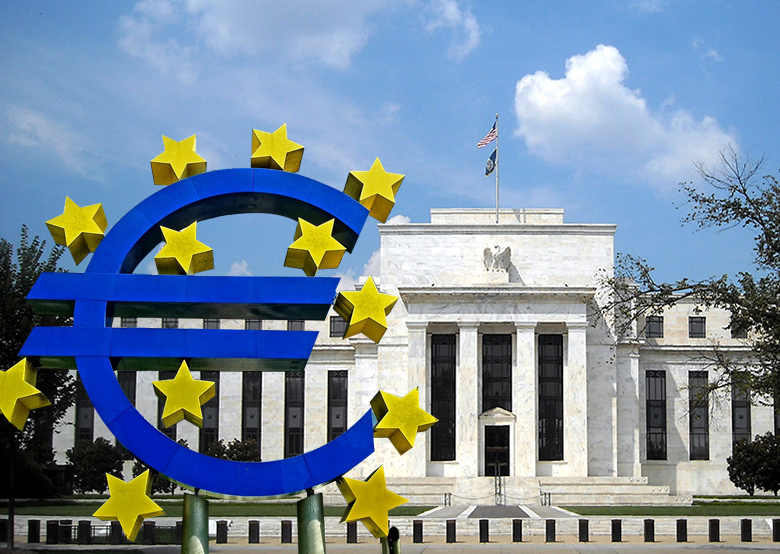
Concerns that the eurozone could face a recession are increasingly valid as geopolitical tensions in the Middle East continue to disrupt global markets, according to European Central Bank (ECB) Governing Council member and Bank of Greece Governor Yannis Stournaras. In a recent interview, Stournaras emphasized that while the eurozone economy has shown resilience, its growth momentum is clearly weakening amid rising uncertainty and energy-related pressures.
The ongoing conflict has triggered supply-side disruptions, particularly in energy markets, which remain a critical vulnerability for the eurozone due to its heavy reliance on imports. Higher energy prices are already creating economic strain, impacting both inflation and overall economic growth. Stournaras noted that unlike previous inflation spikes, current price increases are occurring during a period of slower growth, tighter financial conditions, and limited fiscal flexibility—factors that reduce the ability of policymakers to respond effectively.
Although there has not yet been a significant spillover from rising energy costs into broader inflation, the risk remains. Potential damage to energy infrastructure or prolonged instability could intensify inflationary pressures over time. Additionally, ongoing uncertainty may dampen investor confidence, slowing business activity and weakening economic expansion across the region.
The ECB’s monetary policy response will largely depend on how the situation evolves. Stournaras explained that if the shock proves temporary and does not trigger secondary inflation effects, policy adjustments may not be necessary. However, if inflation rises sharply—even on a short-term basis—a cautious and measured response may be required to prevent lasting economic damage.
In a more severe scenario, where inflation deviates significantly and persistently from the ECB’s target, a stronger and more decisive policy response would be justified. As the eurozone navigates these challenges, developments in the Middle East and efforts to resolve the Iran conflict will play a crucial role in shaping economic stability and future monetary policy decisions.







